








A Hunger for Authenticity and Regional Flavours
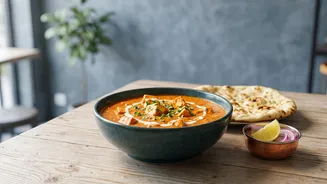
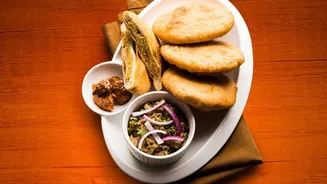
For many young Indians, food is an expression of identity, and authenticity has become a highly desirable ingredient. There's a growing appetite for genuine, regional flavours that standardized menus of large chains often cannot provide. This quest moves
beyond generic North Indian or South Indian fare to hyper-local specialities, like specific Gujarati snacks or Bengali sweets, which smaller brands are better positioned to offer. This trend isn't just about taste; it's a cultural realignment where authenticity is more aspirational than the ubiquity of a global brand. Many consumers feel traditional, home-cooked styles of food are healthier and more culturally rooted. This desire for food that feels real and connected to a specific place is a powerful motivator driving diners towards kitchens that celebrate heritage.
The Rise of Micro-Dining and Curated Experiences
Smaller is becoming better. The trend of 'micro-dining' in hole-in-the-wall cafes, tiny ramen shacks, and gelato spots with limited seating is booming, especially among Gen Z. These intimate spaces offer a high-density experience that feels exclusive and personal. The appeal lies in the intentionality; a smaller restaurant often means a more focused menu, stronger identity, and a closer connection between the chef and the customer. In a bustling city, these small, thoughtful places provide a unique atmosphere and a sense of discovery. This contrasts with the often impersonal nature of large chain restaurants, where consistency can sometimes come at the cost of character. Young diners are increasingly drawn to the story behind the food and the people who make it.
Driven by Health, Wellness, and Conscious Choices
Health is no longer an afterthought. After the pandemic, awareness around wellness, sustainability, and natural ingredients has surged, significantly influencing dining choices. Young consumers are more likely to research nutritional facts and prefer brands that align with their values, such as sustainability and ethical sourcing. Artisanal and organic food brands have gained immense trust by offering products perceived as healthier, handcrafted, and free from preservatives. A 2023 Mintel report noted that 42% of consumers eager to eat out again prefer restaurants with healthy options like plant-based foods. This shift means diners are actively seeking smaller brands that are transparent about their ingredients and champion a more mindful approach to eating.
Social Media and the Power of Discovery
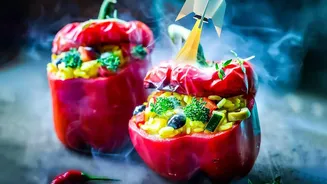
In today's digital world, dining choices are heavily shaped by what appears on social media feeds. Platforms like Instagram and YouTube have become the new guides to the culinary world, where influencers and food bloggers introduce their followers to hidden gems and trending dishes. For Gen Z, social media is a primary tool for discovering new recipes and, more importantly, new places to eat. The visual appeal of a dish or the unique ambiance of a micro-restaurant can quickly go viral, creating long queues and month-long waitlists. This constant stream of new, exciting food content encourages a culture of novelty-seeking, where trying a new spot is often preferable to repeating a visit to a familiar chain. The influence is so strong that for many, seeing food content online directly translates to an immediate desire to order or visit.