


The Journey From Fruit to Juice
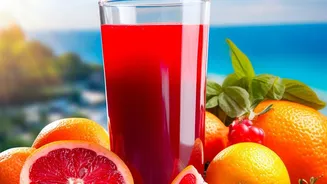
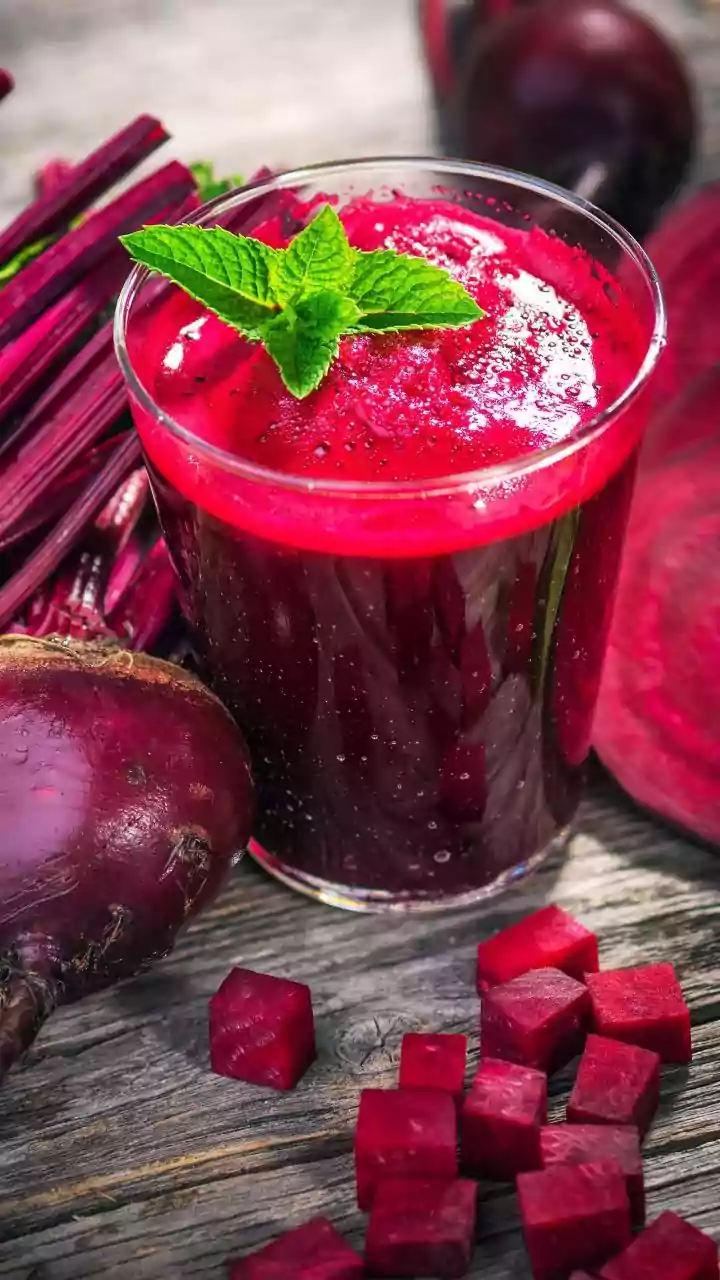
The primary difference between a whole fruit and its juice is the process of extraction. Whether it's a high-speed centrifugal juicer or a slow hydraulic cold press, the goal is the same: to separate the liquid from the solid parts of the fruit. The liquid contains
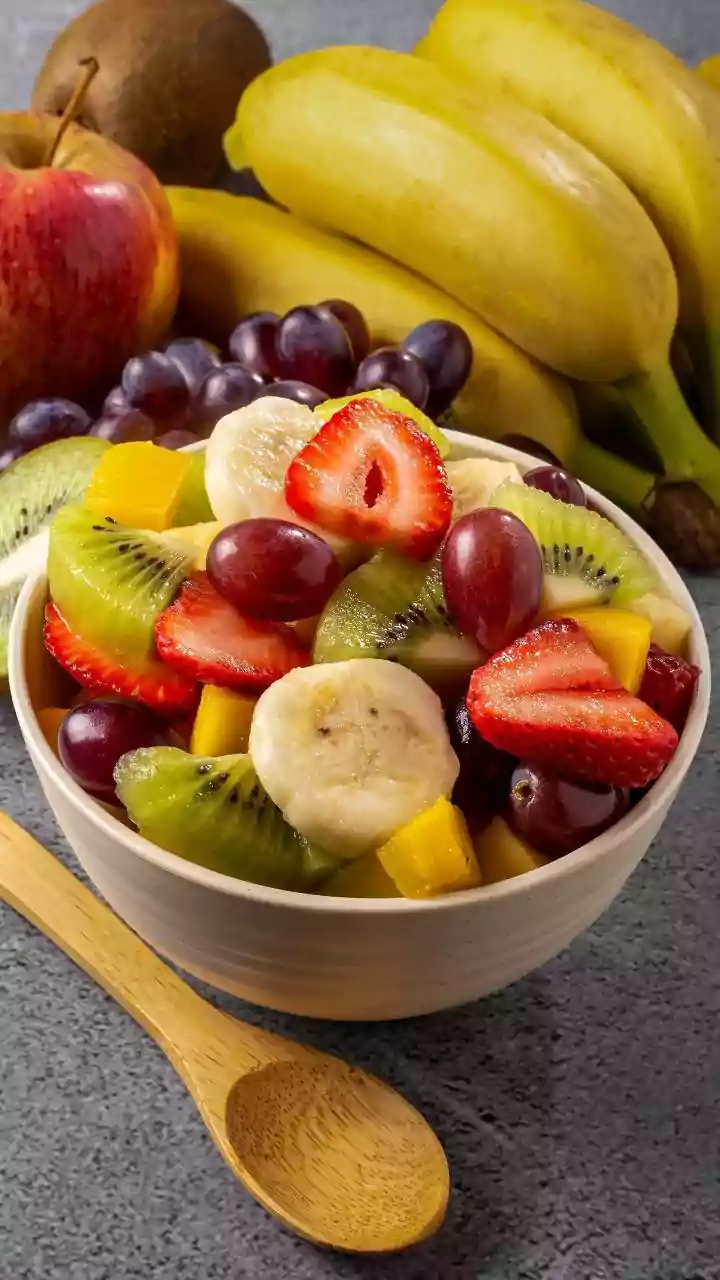
water, sugar, and many of the vitamins and minerals. The solid pulp, which consists of the fruit's skin, seeds, and structural cell walls, is where most of the dietary fiber resides. During juicing, this pulp is almost entirely removed and discarded. So, while the resulting juice is a concentrated source of certain nutrients, it's missing the crucial fiber that makes whole fruit so beneficial.
Fiber: The Body's Unsung Hero
Dietary fiber is a type of carbohydrate that the body can't digest. It comes in two main forms: soluble and insoluble, and both are vital for good health. Insoluble fiber adds bulk to your stool and helps food pass through your digestive system, promoting regularity. Soluble fiber dissolves in water to form a gel-like substance in your gut. This gel has a profound effect on digestion. It slows everything down, which is key to understanding the blood sugar difference between juice and whole fruit. While some soluble fiber can remain in juice, the majority of the insoluble and a good portion of the soluble fiber are removed with the pulp.
The Blood Sugar Rollercoaster
When you eat a whole apple, the fiber within it acts like a traffic controller. The gel-like soluble fiber slows down the digestion process and the rate at which the fruit's natural sugars (fructose) are absorbed into your bloodstream. This leads to a slow, steady rise in blood glucose levels that your body can easily manage. When you drink apple juice, however, that traffic controller is gone. With no fiber to slow it down, the sugar hits your system all at once, like a flood. This causes a rapid spike in blood sugar. For example, a whole orange has a glycemic index of around 40, while its juice can be as high as 66—closer to that of a soft drink. Your pancreas then works overtime to release insulin to bring your blood sugar back down, which can sometimes lead to a subsequent crash, leaving you feeling tired and hungry again soon after.
Concentrated Sugar Without the Fullness
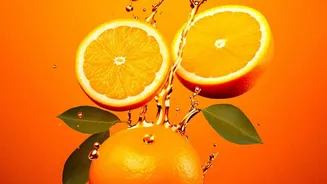
Another issue is portion size and satiety. It’s easy to drink the juice of three or four oranges in a single glass, which can be consumed in minutes. You would consume a significant amount of sugar and calories without feeling particularly full. Eating four whole oranges, on the other hand, would take much longer and be far more filling, thanks to both the fiber and the physical act of chewing. The fiber in whole fruit contributes to a feeling of satiety, helping to regulate appetite and overall calorie intake. Because juice lacks this filling fiber, it's easy to overconsume liquid calories, which can contribute to weight gain over time.
Are Juices Ever a Good Choice?
This doesn't mean cold-pressed juice is entirely without merit. For individuals with certain digestive issues or who need to absorb nutrients very quickly, juice can be beneficial precisely because the insoluble fiber is removed. It offers a concentrated shot of vitamins and minerals that the body can absorb with minimal effort. However, for most people, the benefits of keeping the fiber intact are far greater. If you enjoy juices, think of them as an occasional treat or supplement rather than a replacement for whole fruits. Pairing a small glass of juice with a meal that contains protein, fat, and fiber can also help blunt the blood sugar spike.