

The Great Indian Label Reading
Something has fundamentally shifted in how urban Indians approach food. It started quietly, with consumers flipping over packets not just to check the price, but to scrutinize the fine print. This newfound habit, spurred by a post-pandemic surge in health
consciousness and amplified by social media, is at the heart of a massive change. Consumers are no longer passive recipients of marketing slogans. They are armed with smartphones, ready to look up unfamiliar ingredients, and are increasingly wary of artificial preservatives, hidden sugars, and complex chemical names. This growing skepticism towards heavily processed foods has created a powerful demand for one thing: transparency. A recent survey revealed that a staggering 62% of consumers rank clear ingredient information as the most important factor when choosing a snack brand.
What 'Clean Label' Really Means
The term 'clean label' has become a buzzword, but it represents a powerful consumer expectation. While it has no strict legal definition in India, it generally refers to products made with simple, natural, and easily recognizable ingredients. For the Indian consumer, this means no artificial additives, no synthetic preservatives, and minimal processing. It's about trust. Brands that can say 'no palm oil, no added sugar, no preservatives' on the front of the pack are creating an immediate point of differentiation. This move toward cleaner formulations is also being encouraged by regulators like the FSSAI, which has been cracking down on misleading health claims and pushing for more transparent labelling, making the back of the pack a crucial document for building consumer confidence.
A New Generation of Snack Brands
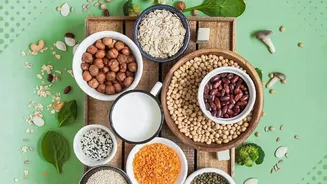
This demand for honesty has cleared the way for a wave of new-age, digital-first challenger brands. Companies are building their entire identity around transparency, offering everything from roasted makhana and jowar puffs to protein-rich energy bars and nut mixes. Many of these are direct-to-consumer (D2C) brands that leverage social media and online platforms to connect directly with their audience, tell their sourcing stories, and educate consumers about their ingredients. By focusing on traditional Indian superfoods like millets, chickpeas, and seeds and presenting them in a modern, convenient format, they are proving that healthy snacking can be both tasty and trustworthy.
The Market is Booming
This is not a niche trend. The Indian healthy snacks market is experiencing explosive growth, with some reports valuing it at over USD 4 billion in 2025 and projecting it to double within the next decade. The market is forecast to grow at a compound annual growth rate (CAGR) of between 7% and 8.1% through 2033. This growth is fuelled by rising disposable incomes, busy urban lifestyles, and a proactive shift towards wellness. Consumers are not just buying snacks; they are investing in their health, and they are willing to pay a premium for products that align with their values. This has put legacy FMCG giants on notice, forcing them to either innovate their own product lines or acquire the fast-growing D2C startups to stay relevant.
Challenges and the Road Ahead
Despite the momentum, the path is not without its hurdles. The higher cost of natural ingredients can make clean-label products more expensive, limiting their accessibility outside of urban, high-income demographics. Distribution in a country as vast as India remains a significant challenge for smaller D2C brands. There is also the persistent risk of 'health washing', where brands use misleading marketing terms to appear healthier than they actually are. However, the fundamental shift in consumer awareness is irreversible. The demand for transparency has empowered consumers and is forcing the entire industry to raise its standards. As long as Indians continue to read the label, the healthy snack revolution is here to stay.