


The Rise of the Sourdough Starter
Not long ago, baking sourdough bread at home felt like a niche hobby. Now, it's a full-blown cultural phenomenon, particularly among millennials in urban India. This trend, sparked during the lockdowns, has endured because it taps into a desire for healthier,
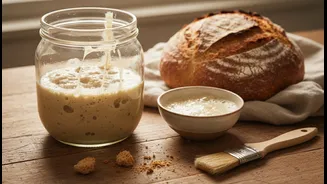
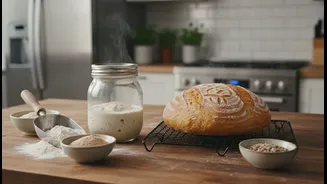
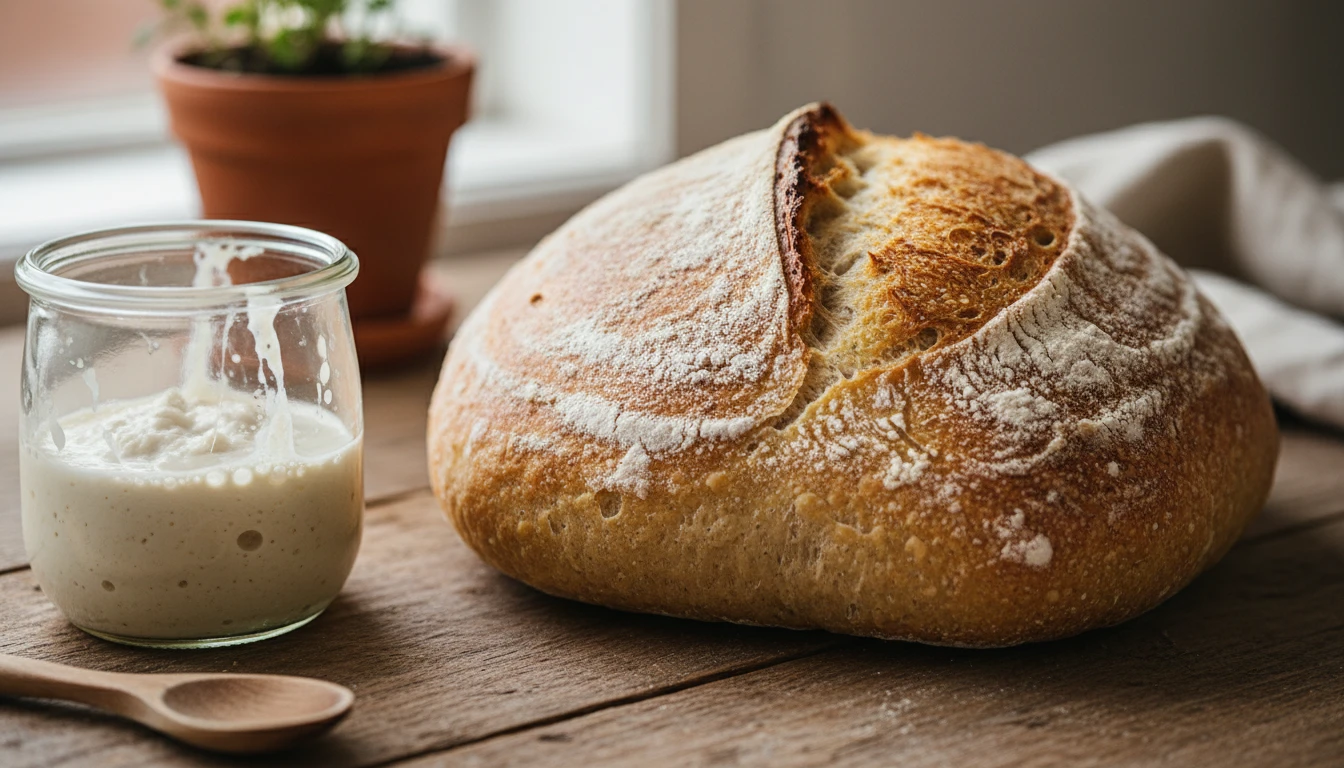
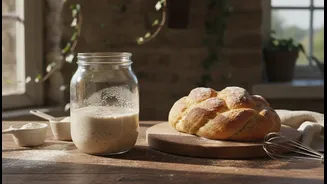
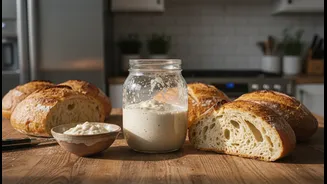
more artisanal food and the simple satisfaction of making something from scratch. A sourdough starter, a living culture of flour and water, needs to be 'fed' regularly to stay alive and active. This process feels almost like caring for a pet, creating a unique connection to the food we eat. As bakers nurture their starters, they become part of a global community sharing tips, celebrating successes, and, inevitably, facing a common dilemma.
The Discard Dilemma
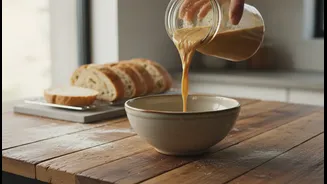
To keep a sourdough starter healthy and prevent it from growing into an unmanageable quantity, bakers must remove a portion before each feeding. This unfed portion is known as 'sourdough discard'. While essential for maintaining a strong and balanced starter, the act of discarding can feel incredibly wasteful. For a generation increasingly conscious of its environmental impact, throwing away food—even a fermented flour-and-water slurry—goes against the grain. This guilt is compounded by the sheer volume of discard a regular baker can produce, creating a pressing need for a sustainable solution.
A Zero-Waste Kitchen Philosophy
This is where the zero-waste movement comes in. More than just recycling and avoiding plastic, this ethos is about maximising the resources we have, especially in the kitchen. In India, this is not a new concept; traditional cooking has always valued resourcefulness, using every part of a vegetable, from root to stem. Today's urban millennials are reconnecting with this principle, driven by a greater awareness of food waste. Studies show that Indian millennials are leading the charge in making sustainable food choices, prioritising health and environmental impact. The zero-waste kitchen is about seeing potential where others see trash, and sourdough discard is the perfect candidate for this creative transformation.
From Waste to Culinary Wonder
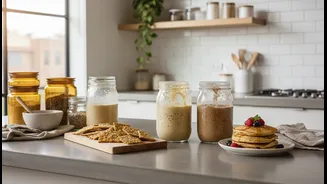
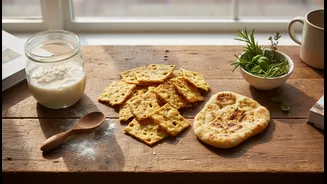
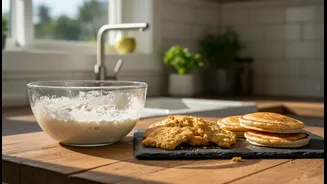
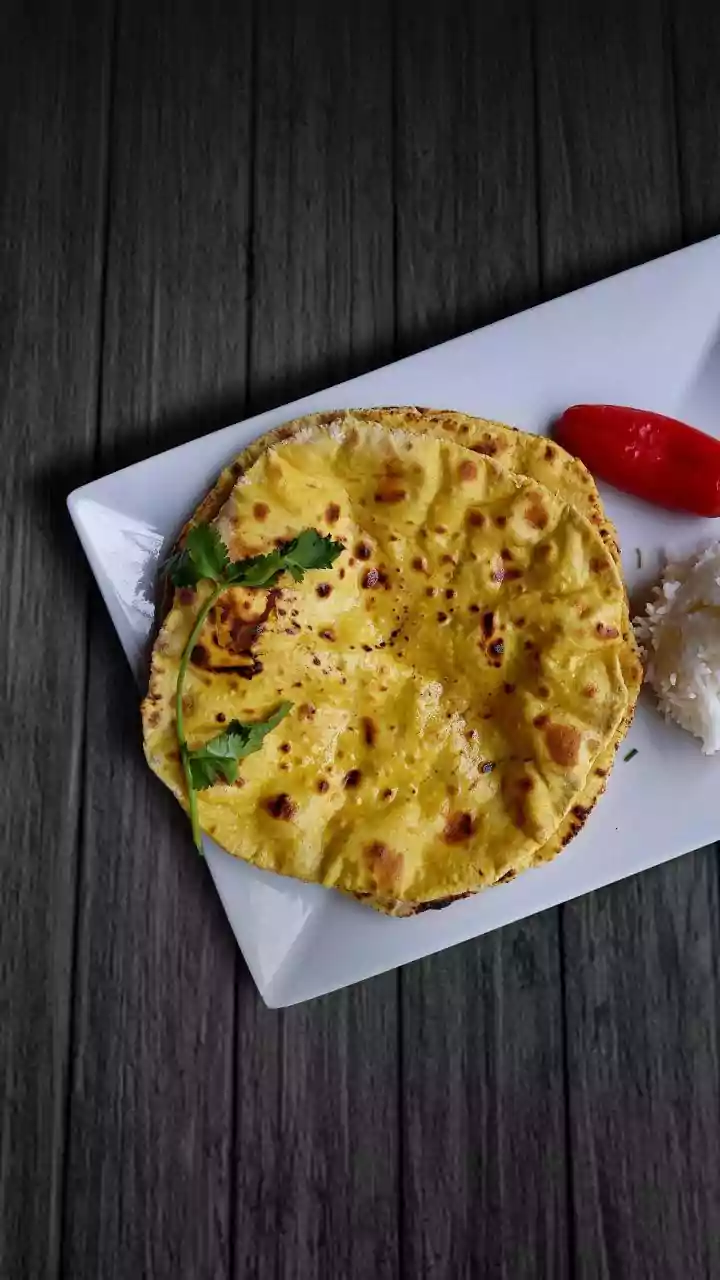
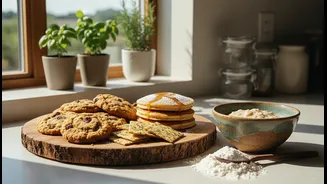
Instead of ending up in the bin, sourdough discard is now the star ingredient in a whole new category of recipes. Its tangy flavour and unique properties can enhance a variety of dishes. The internet is filled with inspiration, from simple discard crackers and pancakes to more elaborate creations like pizza crust, banana bread, and even brownies. For Indian kitchens, the possibilities are even more exciting. Home cooks are experimenting with sourdough discard in recipes for naan, savoury crepes similar to dosas, and fluffy biscuits. The discard adds a subtle complexity and tenderness to baked goods that is hard to replicate.
More Than Just a Recipe
Embracing sourdough discard is more than a clever kitchen hack; it represents a meaningful shift in mindset. It’s an act of mindful consumption that combines creativity with sustainability. For urban millennials navigating busy lives, this practice offers a tangible way to make a positive impact, one meal at a time. It transforms a byproduct of one beloved hobby into an opportunity for another, fostering a deeper appreciation for the entire food lifecycle. By finding ingenious uses for what would have been wasted, bakers are not just saving flour and water; they are actively participating in a culture of resourcefulness that feels both modern and deeply traditional.