

Ancient Wisdom Meets Modern Gut Health
One of the biggest conversations in wellness today revolves around gut health, and this is where traditional breakfasts like idli, dosa, and dhokla shine. These dishes are made from batters that are fermented for several hours. This age-old process isn't
just for flavour and texture; it's a natural way of cultivating probiotics, the beneficial bacteria our digestive systems need to thrive. Fermentation breaks down complex carbohydrates and proteins into simpler forms, making these foods incredibly easy to digest and reducing issues like bloating. This process also increases the bioavailability of essential nutrients like B vitamins, iron, and calcium. So, while the modern world is buying expensive probiotic supplements, many Indian households have been nurturing their gut health for generations with a simple, steamed plate of idli.
The Power of Balanced Macronutrients
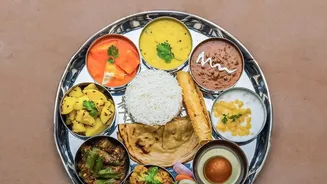
Modern nutritional advice often emphasizes a balanced intake of carbohydrates, proteins, and fats for sustained energy. A traditional Indian breakfast platter naturally masters this principle. Consider a meal of poha cooked with vegetables and peanuts, or a moong dal cheela (savoury lentil pancake) served with curd. The poha provides complex carbohydrates for a slow release of energy, preventing a mid-morning slump. The added vegetables offer fibre and micronutrients, while peanuts and curd contribute protein and healthy fats. Similarly, a dosa or idli is rarely eaten alone; it's accompanied by sambar (a lentil-based stew) and coconut chutney. The sambar adds a significant protein and fibre boost, while the chutney provides healthy fats. This combination ensures you feel full and satisfied, helps stabilize blood sugar levels, and reduces cravings for unhealthy snacks later in the day.
Naturally Plant-Forward and Adaptable
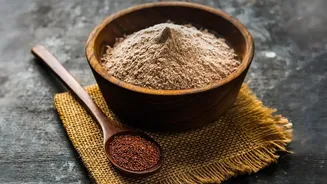
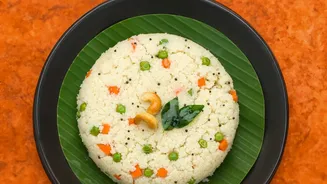
As more people lean towards plant-based diets, Indian breakfasts offer a diverse and delicious template. Many staples are inherently vegetarian or vegan, built around grains, lentils, and vegetables. Dishes like upma, made from semolina and packed with vegetables, or sprouts chaat, provide excellent plant-based protein and fibre. This traditional way of eating was never about restriction but about making the most of seasonal and local produce. Furthermore, these recipes are incredibly adaptable. With growing awareness around whole grains, it's easy to swap white rice for millets in dosa and idli batters or use multigrain flour for parathas, enhancing their nutritional profile without sacrificing taste. This flexibility allows traditional recipes to evolve, fitting seamlessly into contemporary health-conscious lifestyles.
Rooted in Ayurvedic Principles
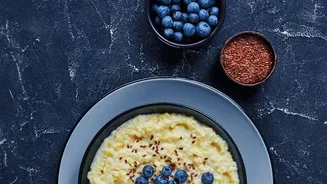
Much of India's traditional culinary wisdom is rooted in Ayurveda, which emphasizes eating warm, freshly cooked, and easily digestible food in the morning to kindle the digestive fire (agni). Many traditional breakfasts, from warm porridge to steamed idlis, align with this principle. Cold smoothies or heavy, oily meals can shock the digestive system, according to Ayurveda. Traditional practices like using spices such as turmeric, ginger, and cumin not only add flavour but also have medicinal properties that aid digestion and boost immunity. This mindful approach, which considers how food makes you feel, is making a comeback as people seek a more holistic and intuitive way of eating. It proves that these breakfasts were designed not just to fill the stomach, but to nourish the body and mind.