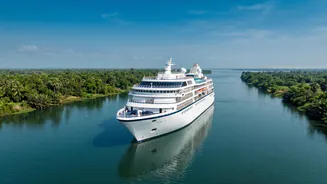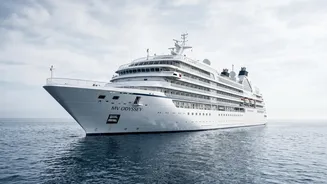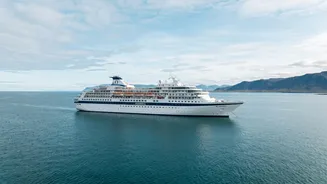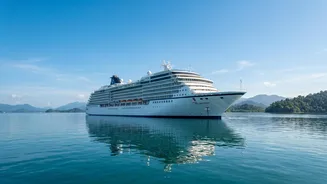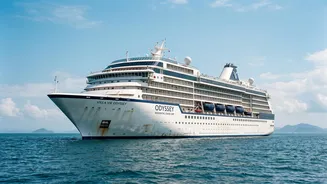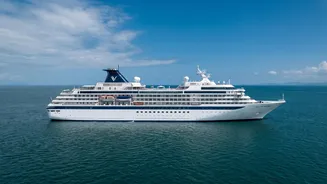








The dream was to own a home that sailed the world. For over 200 residents of the Villa Vie Odyssey, that dream came to an abrupt halt in a Cambodian port, forcing them to find alternatives after their floating homes were suddenly gone.
A Promise of Endless Horizons
The Villa Vie Odyssey
offered a unique proposition: a permanent home at sea. For a one-time purchase price ranging from approximately $120,000 to over $400,000, plus monthly fees, residents could live aboard a ship on a continuous three-and-a-half-year global itinerary. Many, a large portion of whom were American retirees, sold their homes and cars, investing their life savings into what they believed would be a new way of life. The vessel, a refurbished ship built in 1993, embarked from Belfast in October 2024, promising visits to over 425 ports across 147 countries. For its residents, this wasn't a vacation; it was home, with all their belongings on board.
The Sudden Suspension in Cambodia
On October 27, 2026, the voyage came to a sudden stop. While docked in Sihanoukville, Cambodia, the 203 residents were given just a few hours' notice to pack their bags and disembark. The operator, Villa Vie Residences, announced it was suspending operations, leaving passengers and their 156 crew members stranded. The company publicly blamed a massive surge in fuel costs, citing geopolitical conflict that caused monthly per-cabin fuel expenses in Asia to leap from an average of $1,800 to as high as $8,000. The company stated that slowing the itinerary and extending port stays were not enough to cover the operating losses, and passing the cost to residents was not a realistic solution.
Warning Signs and Financial Woes
While the fuel price spike was the final blow, residents reported that financial troubles had been brewing for months. The ship's launch in 2024 was delayed by four months due to extensive repairs that cost millions more than expected. Some residents who spoke to news outlets described a decline in food quality, unreliable internet, and repeated requests from the company for loans to cover fuel costs, with some being offered interest rates as high as 24%. These issues had already prompted some residents to leave the ship before its final suspension, but for many who had invested everything, leaving wasn't a simple option.
Scrambling for Alternatives
The suspension left residents in a desperate situation. Having sold their land-based homes, many were effectively homeless and had to arrange their own hotels and flights out of Cambodia. While Villa Vie's founder stated the company was covering temporary lodging and local transport, this assistance did not extend to international flights, and some residents reported receiving no help at all. Now scattered, some are staying in nearby countries like Malaysia, using funds they had set aside for their monthly fees, while others have returned to their home countries to figure out their next move. The future is deeply uncertain, with the company exploring Chapter 11 bankruptcy and the ship itself now reportedly under the control of its lender.
A Risky Venture
The collapse of the Villa Vie Odyssey highlights the significant risks associated with the nascent residential cruise industry, especially for ventures that are not backed by major, established cruise corporations. Unlike traditional cruises, the residential model often involves a real estate-style transaction, with residents purchasing their cabins. The failure of Villa Vie, which follows a similar collapse by Life at Sea Cruises in 2023, serves as a cautionary tale. For now, the hundreds of residents are left seeking answers, with no guarantee they will recover their substantial investments or see their dream of a life at sea revived.