








First, Find the Source
Before you can eliminate the smell, you must play detective. A musty odour is a symptom of excess moisture, so your first job is to find its origin. Common culprits include hidden water leaks from plumbing or roofs, condensation on windows, and high humidity
in poorly ventilated areas like basements, bathrooms, and laundry rooms. Check under sinks, around window frames, and in corners for any signs of dampness, water stains, or visible mould. In some cases, the source can be materials that trap moisture, such as old carpets, wallpaper, or even insulation. Ignoring the source means the smell will inevitably return, no matter how much you clean.
Embrace Sunlight and Fresh Air
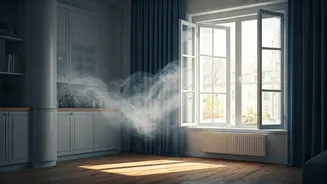
Once you’ve addressed any leaks or major moisture issues, turn to nature’s best purifiers: sunlight and air. Throw open your curtains and windows. The UV rays in direct sunlight are germicidal, meaning they can kill the mould and bacteria responsible for the odour. For items like rugs, cushions, and clothing that smell musty, placing them in direct sunlight for a few hours can work wonders. Simultaneously, create cross-ventilation by opening windows on opposite sides of the house to flush out stale, damp air and reduce humidity. Using fans can accelerate this process, pushing stagnant air out and pulling fresh air in. This simple step is a critical defence against mustiness.
Deep Clean All Surfaces
Lingering musty smells are often trapped in soft and hard surfaces. It's time for a thorough cleaning. Launder all fabrics, including curtains, blankets, and pillow covers. For carpets, sprinkling baking soda, letting it sit overnight, and then vacuuming thoroughly can absorb trapped odours. For hard surfaces like walls and floors, a simple solution of equal parts white vinegar and water is highly effective. Vinegar works to neutralize the microbial volatile organic compounds (MVOCs) that cause the smell. Wipe down any areas where you suspect mould or mildew growth, paying close attention to corners, closets, and behind furniture.
Use Natural Odour Absorbers
After cleaning, you can tackle any remaining scent with natural odour absorbers. Instead of masking the smell with artificial air fresheners, which can contribute to poor air quality, use items that trap and neutralize odour molecules. Place bowls of baking soda or activated charcoal in the corners of the room, inside closets, or in drawers. Activated charcoal is especially porous and highly effective at adsorbing a wide range of organic compounds from the air. Bowls of white vinegar left out overnight can also absorb airborne odours, though the vinegar smell itself will take a short while to dissipate.
Control Humidity for Good
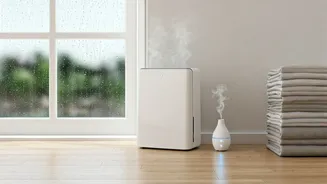
To prevent musty smells from returning, long-term humidity control is essential. Mould and mildew thrive when indoor humidity is above 50%. In perpetually damp areas like basements, a dehumidifier is a worthwhile investment. Ensure that moisture-producing areas like bathrooms and kitchens are well-ventilated; always use an exhaust fan during and after showering or cooking. Regularly check that your clothes dryer is properly vented to the outside and that the vent is clear of lint. By keeping your home’s air dry, you create an environment where musty odours can’t develop.
Finally, Have Patience
As the headline suggests, patience is the final ingredient. Musty odours, especially those that have been building up for a while, don't always vanish overnight. It takes time for deeply embedded moisture to fully dry out and for trapped odours in porous materials like wood and drywall to dissipate completely. You may need to repeat some of these steps, such as airing out the room and using odour absorbers, for several days or even weeks. But by consistently applying these methods, you are not just covering up a smell—you are resolving the underlying issue and restoring a clean, healthy environment to your home.