






Your Body's Master Clock
Deep inside your brain, in the hypothalamus, sits a tiny cluster of about 20,000 neurons called the suprachiasmatic nucleus, or SCN. This is your body's master clock. It coordinates a 24-hour cycle known as the circadian rhythm, which governs nearly every
system, from hormone production and digestion to alertness and sleepiness. Think of it as the conductor of your internal orchestra, ensuring every instrument plays in time. But this conductor needs a cue to start the music, and its most powerful signal is light.
The Power of Morning Sunlight
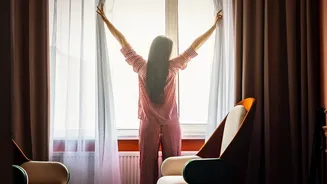
When natural light hits your eyes first thing in the morning, it sends a direct message to your SCN that the day has begun. This triggers a cascade of hormonal events. First, it tells the pineal gland to stop producing melatonin, the hormone that makes you sleepy. Second, it stimulates a healthy spike in cortisol, a hormone often associated with stress but which, in the morning, acts as your body's natural wake-up call, promoting alertness and energy. This morning light exposure essentially stamps a timestamp on your day, anchoring your entire 24-hour cycle and even setting a timer for you to feel sleepy about 16 hours later.
How to Get Your Daily Dose of Light
The goal is to get outside for 10 to 30 minutes within the first hour of waking. Even on a cloudy day, the outdoor light is far more powerful and effective than indoor lighting. Trying to get light through a window is better than nothing, but glass filters out much of the beneficial light spectrum, so stepping outside is always best. You don’t need to look directly at the sun. Simply be outside without sunglasses. Try incorporating it into your routine: drink your morning chai or coffee on a balcony, take a short walk, or do a few stretches in your garden. Consistency is more important than duration.
Why Darkness Is Just as Crucial
Just as light signals 'wake up', darkness signals 'wind down'. As evening falls and light fades, your SCN tells your pineal gland to start releasing melatonin. This hormone doesn't knock you out, but it gently prepares your body for sleep by lowering body temperature and easing you into a state of rest. However, in our modern world, we are surrounded by artificial light at night (ALAN) from screens, overhead lights, and even streetlights. This exposure, especially to the blue light emitted by electronics, tricks your brain into thinking it's still daytime, suppressing melatonin production and delaying the onset of sleep. Even small amounts of light can be disruptive.
Creating a Pitch-Black Sleep Sanctuary
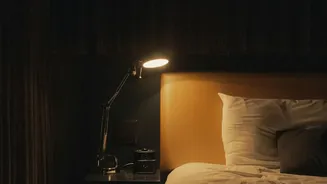
To maximize melatonin production and achieve deep, restorative sleep, your bedroom should be as dark as possible. Your eyelids are thin and cannot block all light, so any glow in the room can still signal your brain. Start by installing blackout curtains or shades; some systems even use side channels to block light leakage from the edges. Cover or tape over tiny LED lights on electronics like TVs, power strips, and routers. Place your phone face-down and turn off notifications. If you can't eliminate all light, an eye mask can be an effective and simple solution. The goal is to create an environment so dark you can barely see your hand in front of your face.
The Payoff: More Than Just Good Sleep
Aligning your circadian rhythm isn't just about feeling less tired. When your internal clock is properly synchronised, the benefits ripple throughout your body. Research links a stable circadian rhythm to improved mood, better focus and mental clarity, enhanced metabolic health, and a more resilient immune system. By consciously managing your light exposure—embracing the sun in the morning and welcoming darkness at night—you are supporting your body’s fundamental biological processes. It's a simple, foundational practice for better health that requires no expensive equipment or complicated protocols, just a little intention.