


An Ancient Secret Gone Viral
The use of rice water in beauty is far from new. For centuries, it has been a staple in many Asian cultures. Most famously, the Yao women of China's Huangluo village credit their exceptionally long, strong, and dark hair to washing it with fermented rice water.
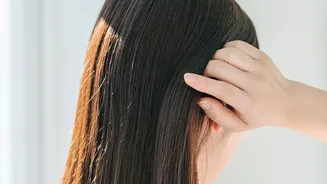
Historical accounts also show that court ladies in Heian-period Japan used it for their floor-length hair and to achieve luminous skin. Today, this tradition has been repackaged for a new generation, with influencers and beauty enthusiasts sharing DIY recipes and impressive before-and-after photos, praising its ability to boost shine, strengthen strands, and soothe skin.
The Hype: What Are the Claimed Benefits?
Advocates believe fermented rice water is a cure-all. For hair, it's said to detangle, increase shine, strengthen strands, and even stimulate growth. The key ingredient often cited is inositol, a carbohydrate that studies suggest can penetrate and repair damaged hair from within, reducing friction and improving elasticity. For skin, the claims are just as impressive, including soothing irritation, brightening dark spots, and providing anti-aging effects. The fermentation process is believed to enhance these benefits by increasing the concentration of antioxidants, vitamins, and amino acids, and by lowering the pH to be closer to that of our skin and hair.
The Science: What Do Experts Say?
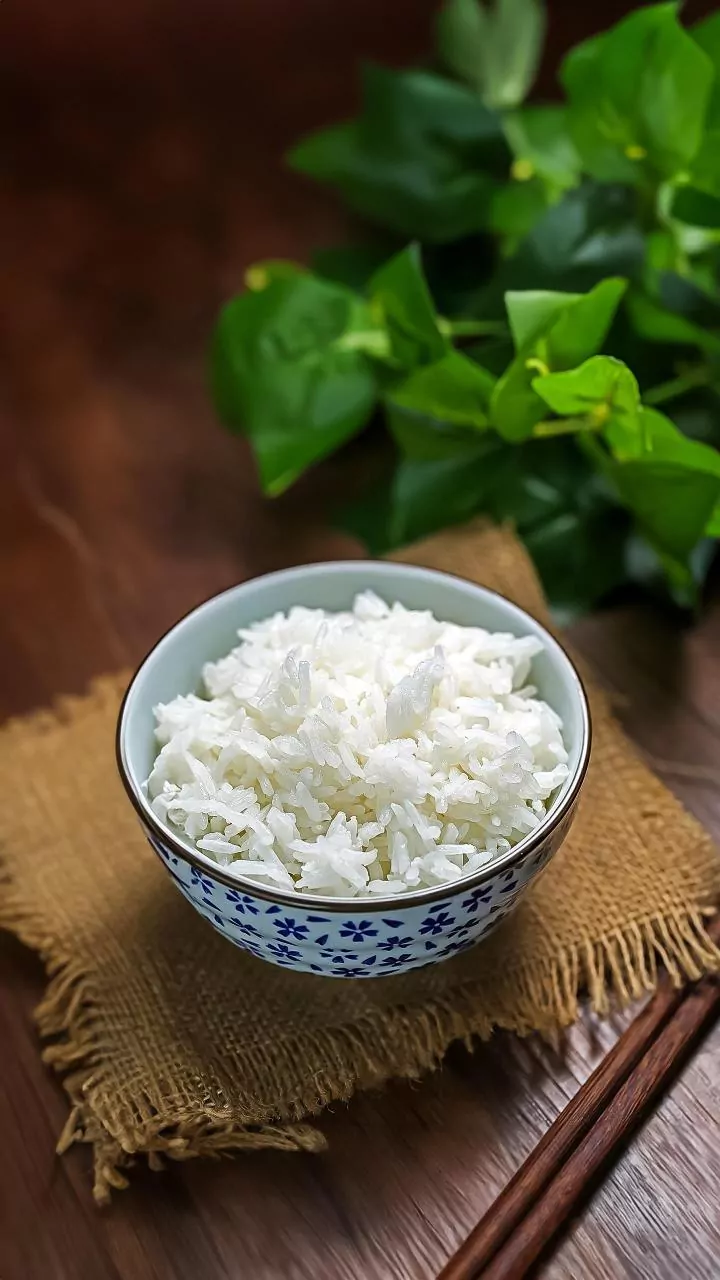
While there is a basis for some of these claims, dermatologists urge caution. The benefits are largely attributed to the nutrients found in rice, such as amino acids, B vitamins, vitamin E, and antioxidants like ferulic acid. Limited studies and anecdotal evidence suggest that rice water can indeed improve hair elasticity and reduce surface friction. For skin, its starchy content can have a soothing effect, with one older study noting that it helped improve the skin barrier in patients with atopic dermatitis. However, there is a lack of large-scale clinical trials to definitively prove many of the more dramatic claims, especially regarding hair growth and significant wrinkle reduction.
The Reality Check: Potential Risks and Downsides
This natural remedy is not without its risks. One of the most common issues is protein overload, particularly for those with low-porosity hair. An excess of protein can coat the hair, blocking moisture and leading to stiffness, dryness, and breakage. Another major concern with DIY fermentation is hygiene. Leaving rice water at room temperature creates an ideal breeding ground for bacteria and mold, which can irritate the scalp and skin, potentially causing itchiness, flakiness, or even infections. Finally, many users find the strong, sour smell of fermented rice water to be a significant drawback.
How to Try It Safely
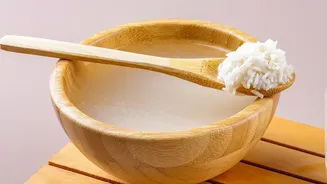
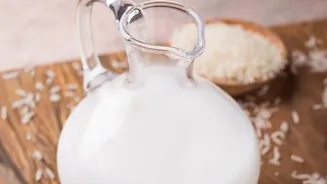
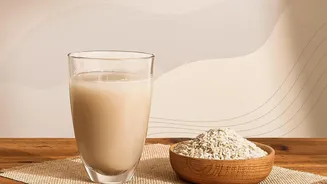
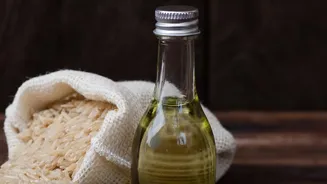
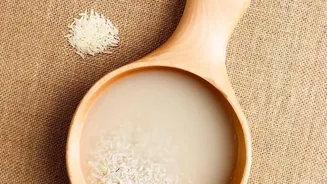
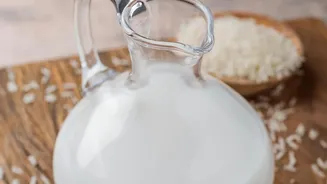
If you're curious to try it, start cautiously. For a simple version, soak half a cup of rinsed rice in two cups of water for at least 30 minutes. Strain the water into a clean jar. To ferment it, cover the jar and leave it at room temperature for 12 to 24 hours—any longer significantly increases the risk of spoilage. If it smells overly sour or off, discard it. Always store your fermented rice water in the refrigerator and use it within a few days. When applying, use it as a rinse after shampooing, leaving it on for no more than 20-30 minutes before rinsing thoroughly. For skin, use it as a toner on a cotton pad, and always do a patch test first to check for irritation.