



Munnar, Kerala: Tea Gardens in the Clouds
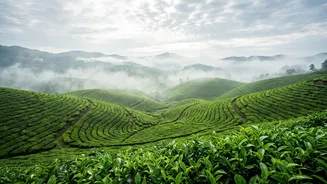
There is no image more iconic of the Indian monsoon than mist rolling over lush tea plantations, and Munnar is the heart of this experience. During the rains, the tea gardens of this Keralan hill station turn a spectacular, saturated green. For photographers,
the appeal lies in the interplay of light and fog, which creates soft, layered landscapes. Early mornings offer ethereal scenes of valleys filled with clouds, while waterfalls like Attukal and Lakkam, engorged with rainwater, provide powerful subjects for slow-shutter photography. The winding roads through the estates, wet leaves glistening after a shower, and panoramic views from points like Top Station make Munnar a complete package for capturing the serene beauty of the Western Ghats.
Meghalaya: The Abode of Clouds
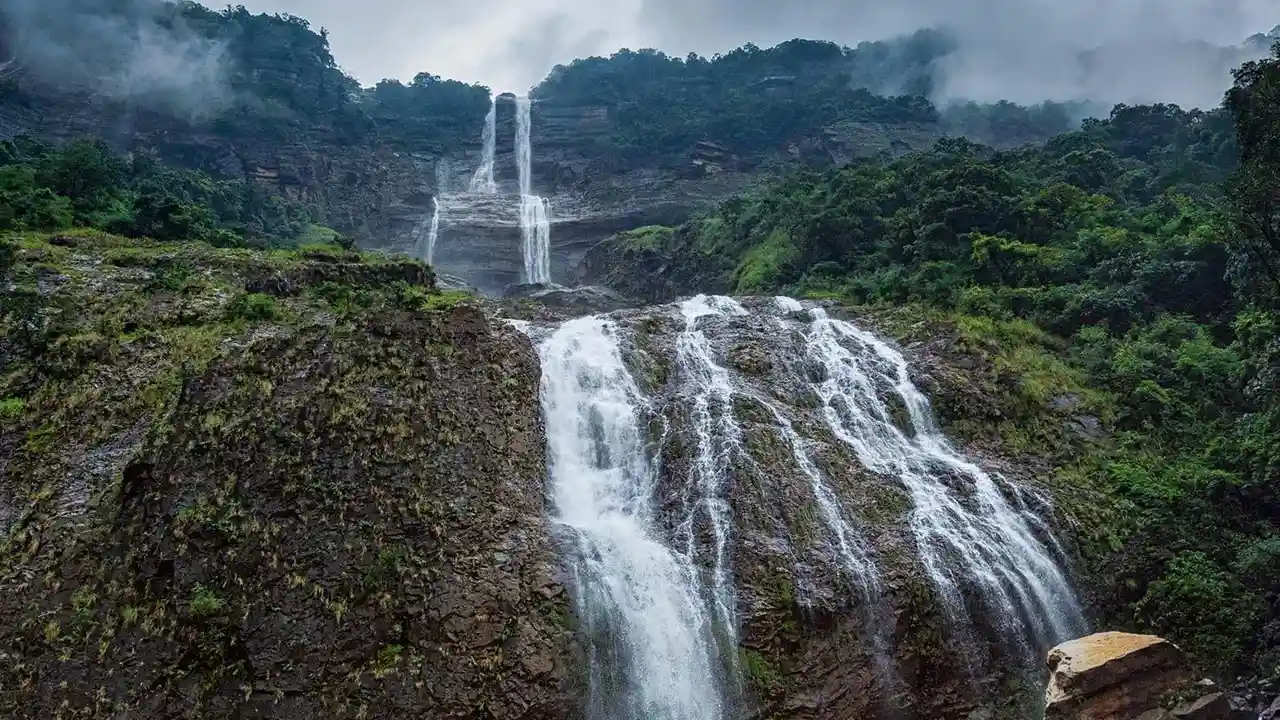
Living up to its name, Meghalaya becomes a spectacle of dramatic weather during the monsoon. As one of the wettest places on Earth, the state offers unparalleled opportunities to photograph nature at its most powerful. The landscape is defined by roaring waterfalls like Nohkalikai and the Seven Sisters, which are at their most voluminous and magnificent during this season. Beyond the falls, the true magic lies in the living root bridges, ancient bio-engineered marvels created by the Khasi and Jaintia tribes. Photographing these intricate structures, glistening with rain and spanning raging rivers, offers a unique blend of nature, culture, and history. The constant presence of mist and low-hanging clouds adds a moody, cinematic quality to every frame, from the rolling hills of Shillong to the deep gorges of Cherrapunji.
Valley of Flowers, Uttarakhand: A Himalayan Bloom
This UNESCO World Heritage Site is a rare destination that is only accessible during the monsoon, making it a truly special photographic journey. From July to September, the alpine meadows burst into a vibrant carpet of over 300 wildflower species, set against the backdrop of snow-capped Himalayan peaks. The soft, diffused light of the overcast skies intensifies the colours of the blooms, including the rare Himalayan blue poppy and the elusive Brahma Kamal. For photographers, the trek through the valley offers a multitude of subjects: macro shots of dew-kissed petals, grand landscapes of colourful fields flanked by misty mountains, and the dynamic flow of the Pushpavati river. The ever-present fog and gentle rain create a dreamlike atmosphere that is impossible to replicate at any other time of year.
Coorg, Karnataka: The Scotland of India
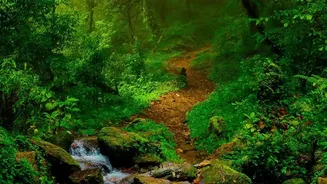
Known as the 'Scotland of India', Coorg in Karnataka is a paradise of misty hills, aromatic coffee plantations, and dense forests that come alive in the monsoon. The rains wash the landscape clean, leaving behind shimmering coffee and spice estates that stretch across rolling hills. For photographers, the prime subjects are the powerful waterfalls. Abbey and Iruppu Falls, swollen with monsoon waters, are perfect for capturing the silky motion of cascading water with a tripod and slow shutter speed. The viewpoints at Raja's Seat in Madikeri offer stunning panoramic vistas of rain-swept valleys. The atmosphere is thick with the scent of wet earth and spices, adding a sensory dimension to the visual feast of lush greenery and floating clouds.
Lonavala, Maharashtra: The Western Ghats Getaway
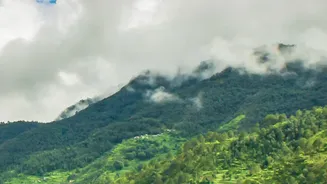
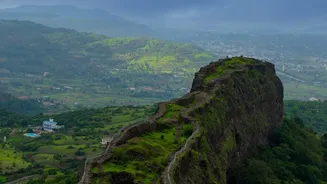
A favourite monsoon escape for those in Mumbai and Pune, Lonavala and the surrounding Sahyadri hills undergo a dramatic transformation. The arid brown slopes of summer give way to a blanket of vibrant green, with countless waterfalls suddenly appearing along the cliffs. The key to photography here is capturing the moody atmosphere. Viewpoints like Tiger's Leap and Duke's Nose are often shrouded in thick fog, which rolls in and out to reveal breathtaking glimpses of the valleys below. The rain-swept roads, the dramatic cloud-covered forts like Rajmachi, and the reflections in the overflowing Bhushi Dam all provide classic monsoon frames that celebrate the raw beauty of the Western Ghats.
Essential Monsoon Photography Tips
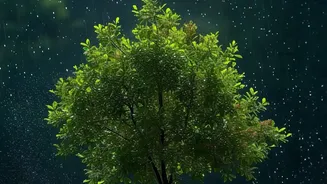
Photographing in the rain requires preparation. Protect your gear with a good quality rain cover or even a simple plastic bag in a pinch. Overcast skies provide soft, diffused light, perfect for portraits and landscapes without harsh shadows. Use a polarising filter to cut through glare and enhance the lush greens of the foliage. Don't be afraid to experiment with your shutter speed; a fast speed can freeze raindrops in mid-air, while a slower speed will create a silky effect on waterfalls. Finally, pay attention to reflections in puddles and wet streets to add a creative and compelling layer to your compositions.