

The Dal and Paneer Comfort Zone
Let's be clear: dal and paneer are fantastic. Dals are affordable, packed with fibre, and a staple in every household. Paneer is a high-quality, complete protein that's incredibly versatile. The issue isn't with these foods themselves, but with the monotony.
When any diet revolves around just one or two primary sources of a key nutrient, it creates a 'comfort zone trap'. You may be getting enough protein in terms of grams, but you could be missing out on a wider spectrum of essential nutrients that a more varied diet provides. This is especially important as research suggests many vegetarians may not be meeting their optimal protein targets, making every gram count.
Not All Proteins Are Created Equal
To understand why variety is so important, we need to talk about amino acids. Proteins are made of 22 amino acids, nine of which are called 'essential' because our bodies can't produce them; we must get them from food. Animal products typically contain all nine, making them 'complete' proteins. Most plant-based foods, however, are 'incomplete', meaning they are low in one or more essential amino acids. For example, most dals and legumes are rich in an amino acid called lysine but lower in methionine. Grains like rice and wheat are the opposite—lower in lysine but containing more methionine. Relying only on dal, therefore, means you might not be getting a balanced profile of these crucial building blocks.
The Power of a Protein Portfolio
Think of your protein sources like a financial portfolio. You wouldn't put all your money into one stock, and you shouldn't get all your protein from one food group. Diversifying your protein sources ensures you get a complete amino acid profile throughout the day. But the benefits go beyond just protein. Different plant foods bring their own unique set of micronutrients to the table. Legumes are fantastic sources of fibre, folate, and iron. Nuts and seeds provide healthy fats, magnesium, and zinc. Soy products like tofu offer a complete protein profile along with calcium. By rotating your sources, you're not just building complete proteins; you're building a more resilient, nutrient-dense diet that supports everything from heart health to immune function.
How to Expand Your Protein Pantry
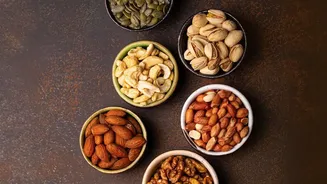
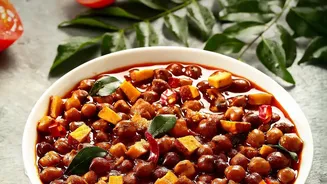
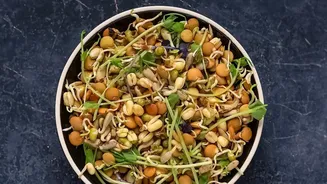
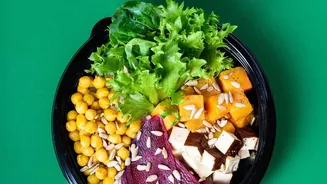
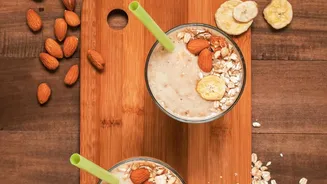
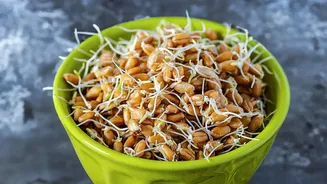
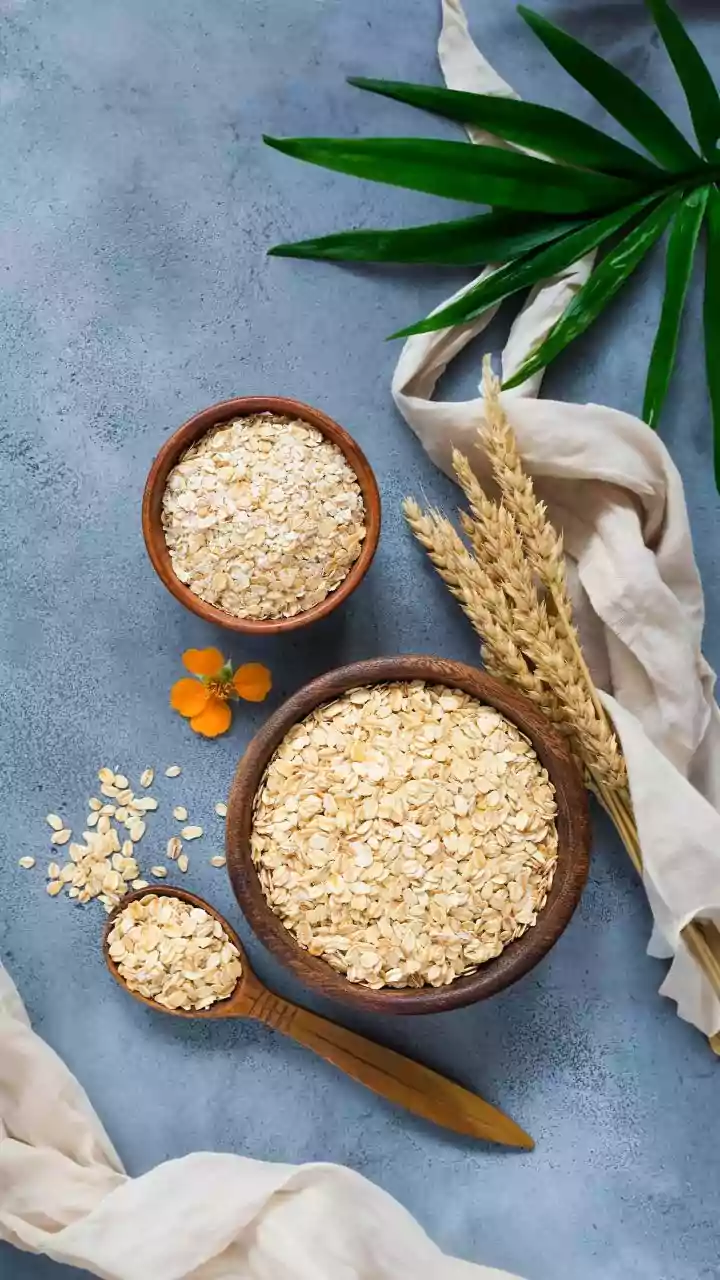
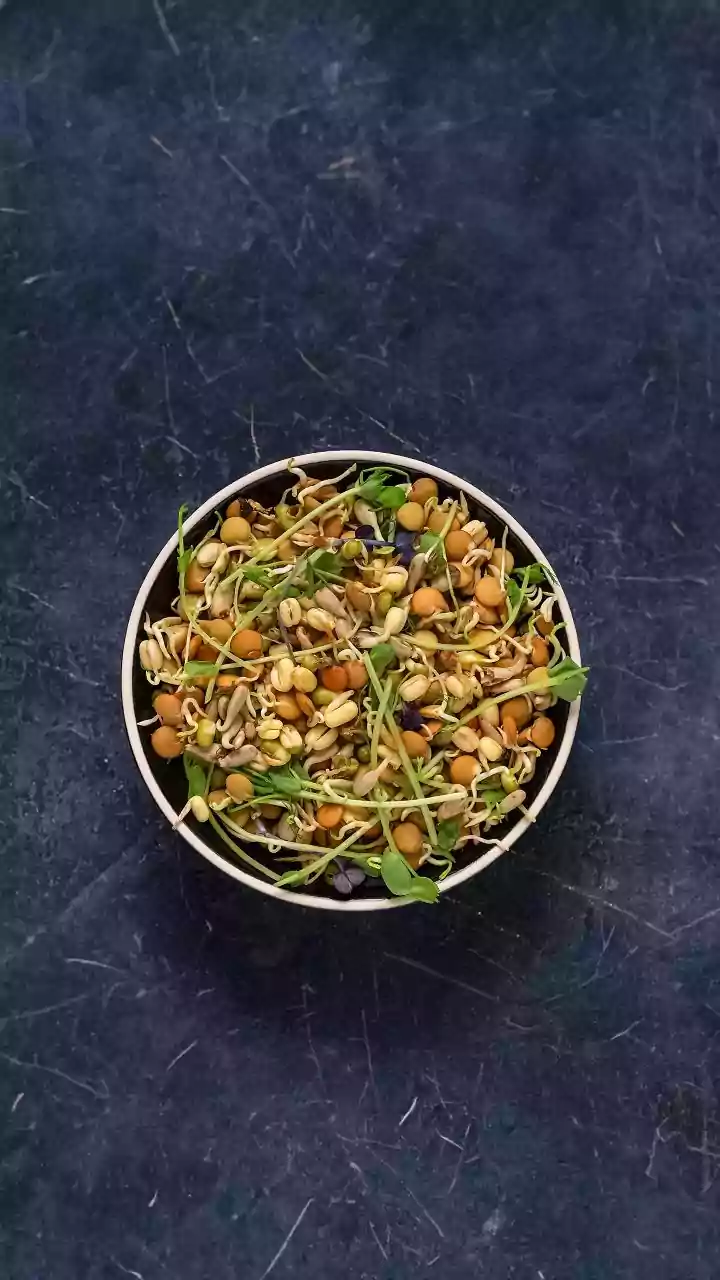
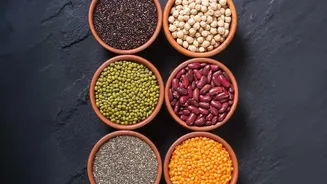
Moving beyond dal and paneer is easier than you think and doesn't require expensive, imported superfoods. Many powerful protein sources are already hiding in plain sight in Indian kitchens. Legumes Beyond Lentils: Embrace the full spectrum of beans. Chickpeas (chana), kidney beans (rajma), and black-eyed peas (lobia) are all excellent, offering between 8-9 grams of protein per cooked cup, plus heaps of fibre. Soy-Based Powerhouses: Tofu, a complete protein, is a brilliant addition. It absorbs flavours beautifully in curries and bhurjis. Soy chunks (nutri nuggets) are another protein-dense and budget-friendly option. Grains and Pseudo-grains: Quinoa stands out as a complete plant protein. But don't forget traditional millets like bajra, jowar, and ragi, which have been providing Indians with protein for generations. Nuts and Seeds: A handful of almonds, walnuts, or peanuts can boost your protein intake significantly. Chia and hemp seeds are also complete proteins that can be easily added to anything from rotis to shakes.
The Simple Art of Protein Combining
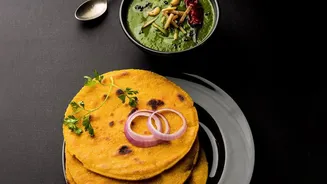
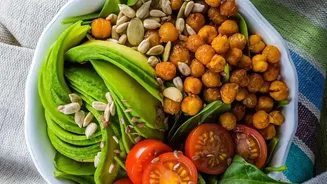
The good news is that you don't need a degree in nutrition to get this right. The concept of 'protein complementation' is already built into traditional Indian food pairings. The classic dal-rice or rajma-roti combination is a perfect example of pairing a legume with a grain to create a complete protein. Similarly, idli/dosa (made from rice and urad dal) and khichdi are time-tested meals that provide a full amino acid profile. The key is not to stress about getting every essential amino acid in a single meal. As long as you consume a variety of grains, legumes, nuts, and seeds throughout the day, your body can pool the amino acids to get what it needs.