

The Golden Rule: Why Soaking Is Essential
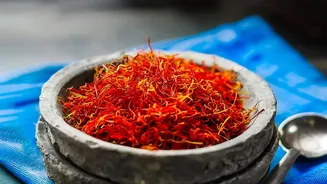
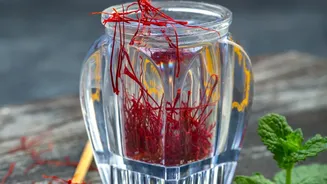
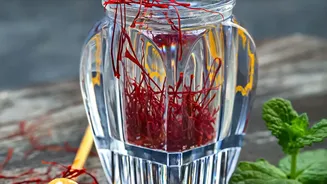
Simply tossing saffron threads directly into your dish is a common mistake that wastes much of their precious quality. Saffron's key compounds—crocin for colour, and safranal for aroma—are locked within the dried threads. Soaking, also called blooming,
is the process of steeping the threads in a warm liquid to gently draw out and activate these elements. This ensures the vibrant golden hue and delicate, floral fragrance are distributed evenly throughout your dish, rather than staying trapped in the threads. A few soaked strands can deliver the impact of many more unsoaked ones, making your expensive spice go much further. Think of it as waking the saffron up before it goes to work.
Choosing Your Liquid: Water vs. Milk
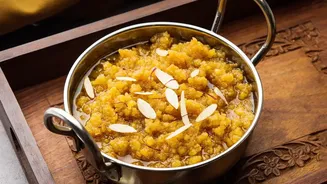
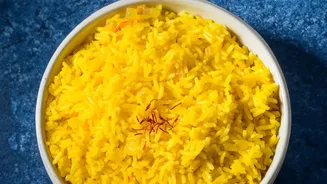
The liquid you choose for soaking depends entirely on your recipe. For savoury dishes like biryani, pulao, or stocks, warm water is the perfect neutral choice. It extracts the colour and flavour cleanly without altering the dish's profile. For sweets and desserts like kheer, phirni, rasmalai, or a soothing glass of 'kesar doodh', warm milk is the ideal medium. The fat in milk helps to carry the saffron's aroma, creating a rounder, richer flavour profile that beautifully complements dairy-based recipes. For a lighter, dairy-free option, even for sweets, warm water remains a reliable substitute. The key is to use a liquid that is already part of your recipe.
Temperature and Time: The Soaking Sweet Spot
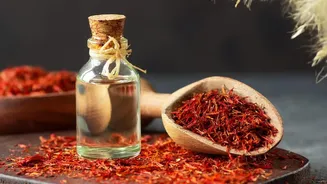
Patience and the right temperature are crucial. The liquid should be warm to the touch, but not boiling. Water that is too hot can destroy the delicate aromatic compounds, resulting in a less fragrant and potentially bitter taste. A good rule of thumb is to aim for a temperature between 70-80°C. For best results, gently crush the threads between your fingers or in a mortar and pestle before adding them to the liquid. This increases the surface area and speeds up the infusion. Allow the saffron to steep for at least 15-20 minutes. If you have more time, letting it soak for 30 minutes or even longer will only deepen the colour and flavour. Once infused, add the entire mixture—liquid and threads—to your dish.
When Can You Skip the Soak?
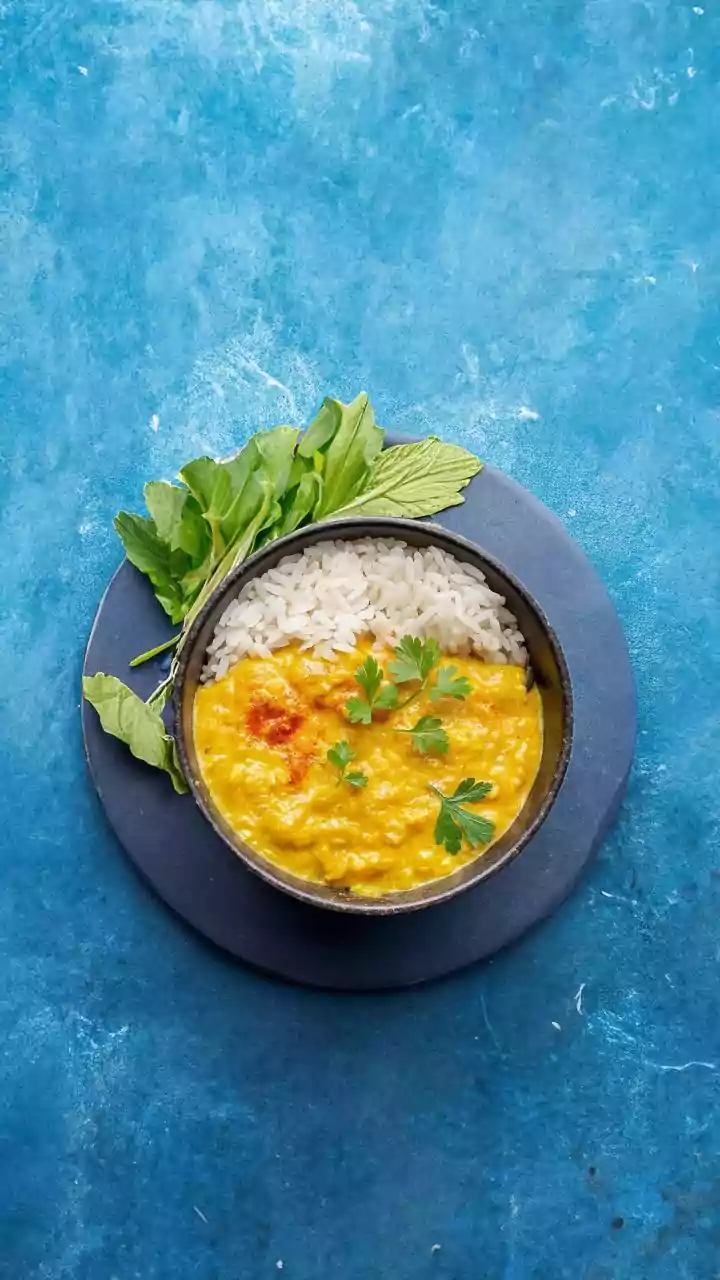
While soaking is highly recommended for the best results, there are a few exceptions. If you are making a dish with a large amount of liquid that will simmer for a long time, such as a soup or a slow-cooked curry, you can add the threads directly. The prolonged cooking time and ample liquid will eventually extract the saffron's properties. However, this method risks a less even distribution of colour and flavour compared to pre-soaking. For dishes where saffron is the star, like a delicate 'kesar kheer' or the distinctively coloured layers in a biryani, skipping the soak is not advised as you will lose the control and consistency that blooming provides.
Getting the Most from Every Thread
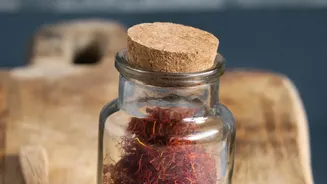
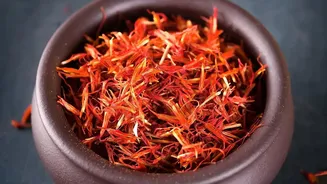
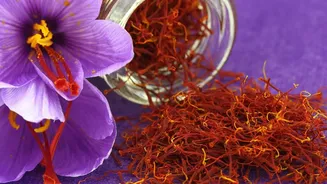
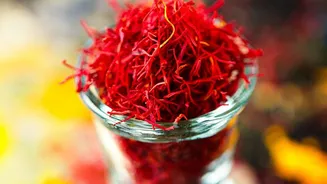
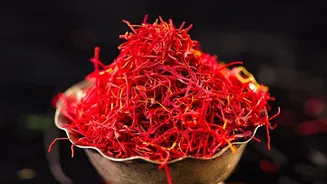
To ensure your saffron is worth soaking, start with good quality threads. Look for deep, uniform red strands (often called 'mogra' or 'kesar') with orange tips, and avoid fragments or an abundance of yellow parts. Store your saffron in an airtight container in a cool, dark place away from the stove or any source of heat and light to preserve its potency. When ready to use, remember that a little goes a long way; just 15-20 threads are often enough for a family-sized dish. Using too much can overwhelm a dish with a bitter, medicinal taste. By taking a few extra minutes to properly bloom your saffron, you honour this ancient spice and ensure its luxurious character shines through in every bite.