



Why Choose Kinnaur's Quiet Corners?
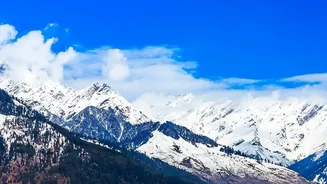
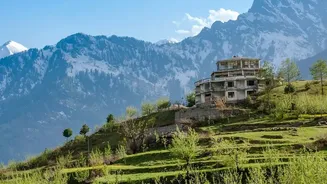
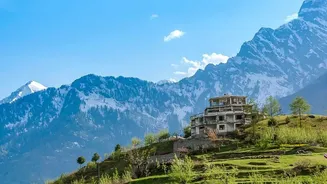
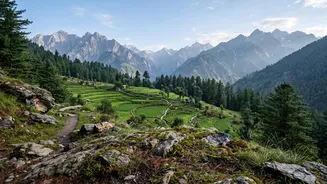
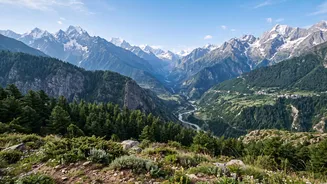
While many popular hill stations feel crowded, the Kinnaur district offers a more peaceful alternative. Sangla and Kalpa are destinations for the traveller who prefers the journey over the destination. Here, the landscape is a stunning mix of lush, river-fed
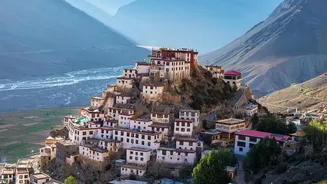
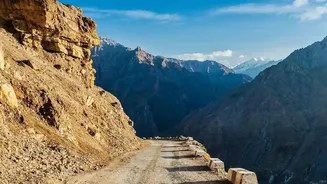
valleys and dramatic, high-altitude scenery. The region is famed for its sprawling apple orchards, which blanket the hillsides, and a unique culture that blends Hindu and Buddhist traditions. Unlike the bustling circuits, this part of the Himalayas invites you to slow down, breathe in the crisp mountain air, and connect with a more authentic side of Himachal Pradesh. The drive itself, along the formidable Hindustan-Tibet Highway, is an adventure, carving through one of the world's most spectacular road-trip routes.
The Best Time for Your Himalayan Sojourn
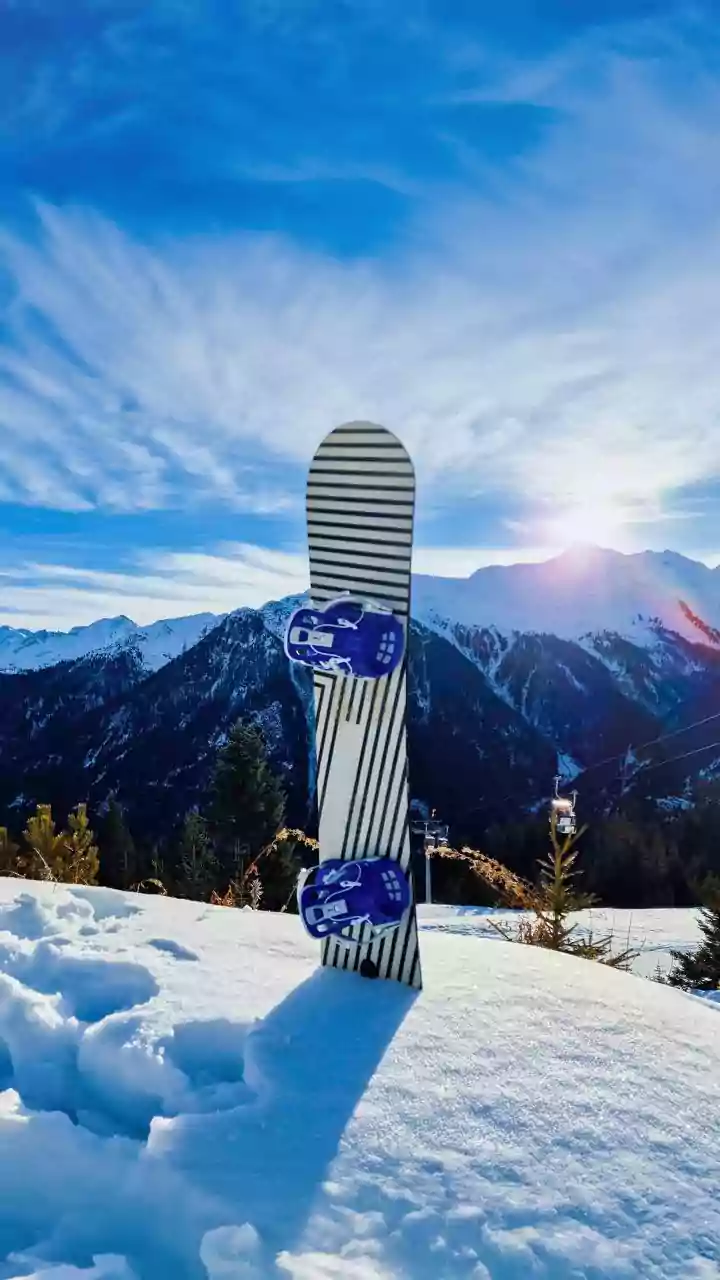
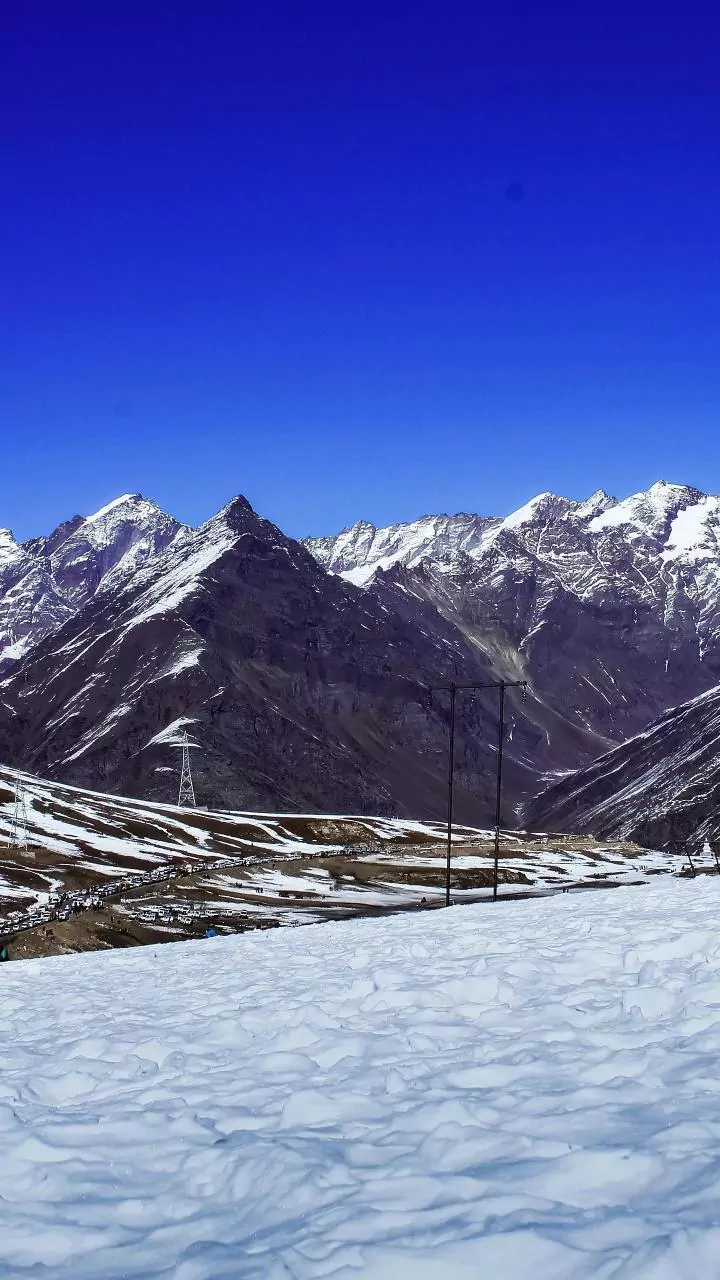
The ideal time to visit Sangla and Kalpa is during two main windows: spring and autumn. From April to June, the weather is pleasantly mild, with temperatures perfect for exploring the blooming valleys. This is a great time for outdoor activities and trekking as the snow from winter has melted from most accessible areas. The second window, from September to October, is equally magical. This period brings clear, post-monsoon skies offering crisp views of the snow-capped peaks and coincides with the apple harvesting season, when the orchards are laden with fruit. Winters (November to February) are extremely cold with heavy snowfall, which can lead to road closures, while the monsoon season (July and August) carries the risk of landslides and is best avoided for a smooth journey.
Getting There: The Journey to Paradise
Reaching Sangla and Kalpa is a journey in itself, primarily undertaken by road. The most common starting point is from Delhi, Chandigarh, or Shimla. From Delhi, the entire route is around 560-590 kilometres and can take 14-16 hours. The typical route follows NH5 from Shimla, passing through Narkanda and Rampur. At Karcham, the road forks: one path leads into the Sangla (or Baspa) Valley, while the other continues towards Reckong Peo, the district headquarters, from where a steep ascent takes you to Kalpa. While you can take an overnight bus from Delhi or Chandigarh to Reckong Peo, hiring a private taxi or self-driving offers more flexibility to stop and admire the dramatic scenery. The nearest airport is in Shimla, and the closest major railway station is in Kalka, from where you can continue the journey by road.
Exploring the Lush Sangla Valley
Sangla Valley, also known as Baspa Valley, is defined by the gushing Baspa River that flows through it. The main village, Sangla, is a hub for exploring the area. A key attraction is the historic Kamru Fort, an ancient wooden fort set on a hill that you can walk up to for stunning views. Don't miss a visit to Batseri village, known for its traditional wooden architecture and local handicrafts. The highlight for many is the drive to Chitkul, often called the last inhabited village near the Indo-Tibetan border. Situated at an altitude of about 3,450 meters, Chitkul offers a raw, untouched beauty that feels a world away from everything. The valley is also a great base for gentle treks, riverside picnics, and angling for trout in the Baspa River.
Kalpa: Gateway to Kinner Kailash Views
Kalpa is most famous for one thing: its phenomenal, direct view of the majestic Kinner Kailash mountain range. Waking up to see the sunrise paint the sacred peaks in hues of gold and orange is an unforgettable experience. A short drive from Kalpa takes you to the thrilling Suicide Point, a vertical cliff with a dizzying drop that offers panoramic views of the valley. Nearby is the quaint Roghi village, a great place to witness traditional Kinnauri life and architecture amidst apricot and apple orchards. Within Kalpa, you can explore the Narayan-Nagini Temple and the Hu-Bu-Lan-Kar Monastery, which reflect the region's syncretic culture. For those who enjoy short hikes, the trek to Chaka Meadows offers rewarding views.
Planning Your Stay and Practical Tips
Both Sangla and Kalpa offer a good range of accommodation, from cozy homestays and guesthouses to comfortable hotels and riverside camps. Booking in advance is recommended, especially during peak season. For your itinerary, a 7-day trip from Delhi is ideal for a relaxed pace, allowing for proper acclimatization to the high altitude. A shorter 4-5 day trip is feasible if starting from Shimla. Indian nationals do not require any permits to visit Sangla, Kalpa, and Chitkul; a valid photo ID is sufficient for any checkposts. Lastly, remember that mobile connectivity can be patchy, and it's wise to carry enough cash as ATMs are scarce, especially outside of Reckong Peo.