



The Philosophy of Purity
At its core, a sattvik diet is about purity, balance, and life-giving energy. According to Ayurveda, foods are classified by their inherent qualities or 'gunas': sattva (purity, harmony), rajas (activity, stimulation), and tamas (dullness, inertia). Fasting
periods are meant for spiritual reflection and physical cleansing. The goal is to consume sattvik foods that are fresh, light, and easy to digest, promoting mental clarity and calmness. In contrast, rajasic foods like coffee and excessively spicy dishes are considered overstimulating, while tamasic foods like stale leftovers, processed items, and meat are believed to create lethargy and mental fog. By choosing sattvik foods, the diet aligns with the fast's purpose: to purify the body and elevate the mind.
Ghee: The Golden Elixir of Fasting
Ghee is a cornerstone of the sattvik diet and a fasting essential for good reason. Considered one of the purest foods in Ayurveda, it is treasured for its ability to nourish the body without being heavy. Unlike other fats, pure cow's ghee is believed to kindle the digestive fire, or 'agni', helping the body break down food and absorb nutrients more efficiently. This prevents the sluggishness that can come with weaker digestion during a fast. Rich in life force, or 'prana', ghee provides sustained energy, lubricates tissues, and supports mental functions like memory and focus. Its role is not just nutritional; it is seen as a substance that promotes physical strength, mental peace, and spiritual balance, making it ideal for periods of introspection.
The Gentle Power of Whole Spices
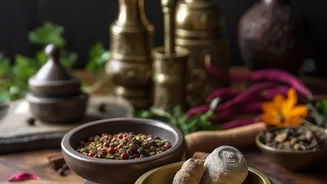
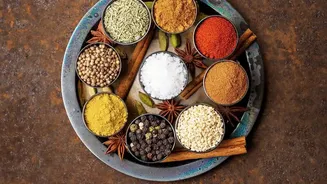
While fasting often involves avoiding pungent and heating ingredients, certain whole spices are encouraged for their gentle, balancing properties. Spices like cumin (jeera), cardamom (elaichi), cinnamon (dalchini), and black pepper (kali mirch) are considered sattvik when used in moderation. Their primary role is to aid digestion and prevent issues like bloating or gas, which can be common when dietary patterns change. For instance, cumin and cardamom are known for their digestive benefits. Black pepper helps the body absorb nutrients more effectively. These spices add subtle flavour without overstimulating the nervous system, unlike fiery chillies or rajasic flavour enhancers. By supporting the digestive fire ('agni'), they ensure that the food consumed is converted into energy, not toxins ('ama').
Why Some Foods Are Off the Table
The list of foods to avoid during a traditional fast is guided by the same principles of sattva, rajas, and tamas. Onions and garlic, despite their health benefits, are excluded because they are considered rajasic and tamasic. They are believed to be overstimulating, generate heat, and can agitate the mind, which runs counter to the calm state fasting aims to achieve. Similarly, heavily processed foods, refined sugars, deep-fried items, and stale leftovers are tamasic, lacking vital energy and weighing down the digestive system. Grains like wheat and rice are often substituted with lighter alternatives like water chestnut flour (singhara atta) or buckwheat flour (kuttu atta). The avoidance of these foods is a conscious choice to give the digestive system a rest and clear the body and mind of agitating or dulling influences.