




Understanding an Oil's Smoke Point
The single most important factor in choosing an oil is its smoke point. This is the temperature at which an oil starts to break down, smoke, and release harmful compounds called free radicals. Indian cooking often involves high heat, so using an oil beyond
its smoke point can ruin the taste of your food and negate its health benefits. A simple rule is to match the oil to the heat. High-heat methods like deep-frying need oils with high smoke points, while low-heat cooking or salad dressings can use oils with lower smoke points.
For Deep Frying: Pakoras, Samosas, and Puris
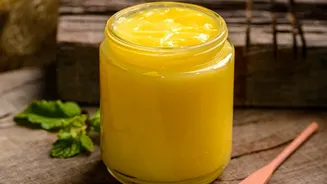
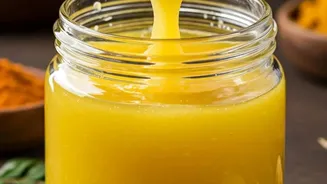
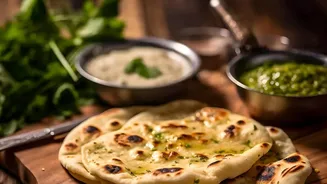
Deep frying requires oils that are stable at high temperatures, typically between 180°C and 220°C. Refined groundnut (peanut) oil is a popular choice for its high smoke point of around 230°C and neutral flavour that doesn't overpower snacks. Many restaurants favour it for achieving a consistent, crispy texture. Rice bran oil, with a similarly high smoke point and mild taste, is another excellent option known for being less absorbed by food. Ghee, or clarified butter, is a traditional favourite with a very high smoke point of about 250°C, imparting a rich, nutty flavour perfect for special occasion frying. Refined mustard oil and sunflower oil are also suitable for their ability to withstand high heat.
For Everyday Sautéing and Tadka
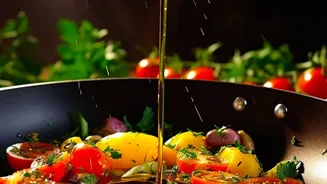
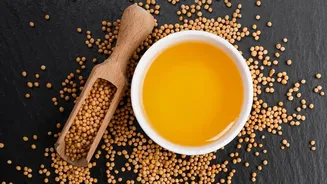
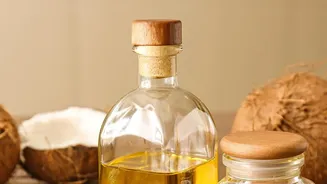
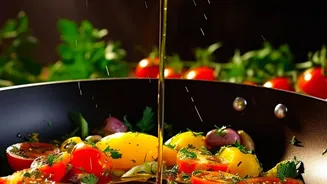
For everyday sabzis, curries, and dals, the focus shifts from just heat tolerance to flavour. Mustard oil is a staple in North and East Indian kitchens, loved for its pungent, sharp taste. With a high smoke point of around 250°C, it’s versatile enough for both tadkas and general cooking. In the South, coconut oil and sesame (gingelly) oil are more common. While unrefined coconut oil has a lower smoke point (around 177°C), it's ideal for tempering and cooking dishes where its distinct flavour is desired. Ghee is also a fantastic choice for tadkas, adding an unmatched aroma and richness to dals and curries.
Using Olive Oil in the Indian Kitchen
Olive oil has gained popularity in India, but it's crucial to use the right kind. Extra virgin olive oil has a low smoke point and a distinct fruity flavour, making it unsuitable for high-heat Indian cooking like frying. It breaks down easily, losing its health benefits. Reserve it for salad dressings or drizzling over finished dishes. For cooking, 'pure', 'light', or refined olive oil is a better choice as it has a higher smoke point (around 210-240°C) and a more neutral flavour that won't clash with Indian spices.
The Case for Cold-Pressed Oils
Cold-pressed oils, often labelled 'kacchi ghani', are extracted without high heat or chemicals, which helps them retain more natural nutrients, antioxidants, and flavour. While refined oils generally have higher smoke points because impurities have been removed, many cold-pressed oils are perfectly suitable for everyday Indian cooking. Cold-pressed groundnut, mustard, and sesame oils can all handle the temperatures of typical home sautéing and shallow frying. Their robust flavours make them an excellent choice for dishes where the oil itself is an important ingredient.
The Healthiest Habit: Rotate Your Oils
No single cooking oil provides the ideal balance of all the fats your body needs. Different oils have different profiles of monounsaturated (MUFA), polyunsaturated (PUFA), and saturated fats. For example, mustard oil is a good source of omega-3 fatty acids, while sunflower oil provides omega-6. Nutrition experts recommend rotating between two or three different oils to ensure a balanced intake of essential fatty acids, which is beneficial for heart health and reducing inflammation. A practical approach could be using groundnut oil for frying, mustard oil for curries, and ghee for tadkas, ensuring a variety of fats and flavours in your diet.