



Understanding Cold-Pressed Oils
Before modern refining processes became common, oils were extracted using a simple, traditional method. Known as 'Kachi Ghani' or 'Marachekku', this technique involves mechanically crushing seeds or nuts at a low temperature to release the oil. Because
no external heat or chemical solvents are used, the resulting oil is unrefined and pure. This gentle extraction preserves the oil's natural nutrients, antioxidants, colour, and, most importantly, its distinct flavour and aroma. In contrast, refined oils undergo processing that strips away much of this character to create a neutral product with a longer shelf life.
The Pungent Power of Mustard Oil
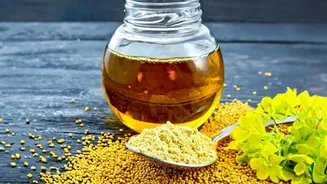
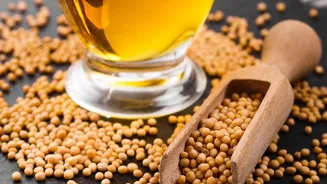
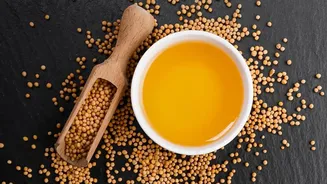
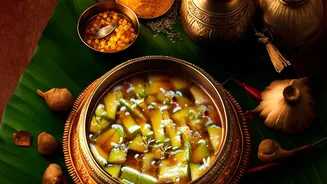
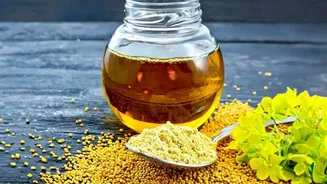
A cornerstone of North and East Indian cuisines, particularly in Bengali and Punjabi food, cold-pressed mustard oil is prized for its sharp, pungent flavour. This oil is rich in monounsaturated fats and omega-3 fatty acids. Its antimicrobial and anti-inflammatory properties have also made it a staple in traditional remedies. In the kitchen, its high smoke point makes it suitable for sautéing and frying. It's the soul of dishes like Sarson da Saag and the essential ingredient for making tangy mango and lemon pickles, where it acts as a natural preservative. The strong flavour brings an authentic punch to fish curries and vegetable preparations.
The Nutty Notes of Sesame Oil
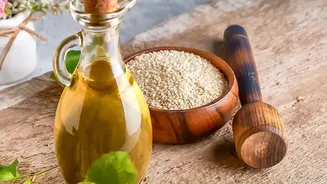
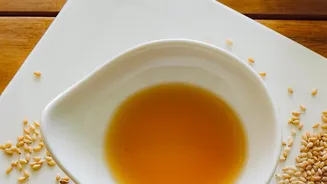
Often called 'gingelly' or 'til' oil, cold-pressed sesame oil is a fixture in South Indian cooking, revered for its deep, nutty flavour and aroma. Rich in antioxidants like sesamin and sesamol, it's a source of healthy unsaturated fats. While not the first choice for deep-frying due to its more moderate smoke point, it is perfect for tempering spices (tadka), stir-frying, and adding a finishing touch to dishes. In Tamil Nadu and Andhra Pradesh, it’s traditionally used in tamarind-based gravies, chutneys, and podis. Its distinctive taste pairs beautifully with the spices used in many classic South Indian recipes.
The Versatile Virtues of Groundnut Oil
Cold-pressed groundnut oil, or peanut oil, is arguably one of the most versatile traditional fats in the Indian kitchen. With a mild, pleasant nutty flavour, it doesn't overpower dishes, making it a great all-purpose cooking medium, especially in Western and Southern India. Its main advantage is a relatively high smoke point, which makes it an excellent and traditional choice for frying snacks like samosas, pakoras, and vadas. Rich in monounsaturated fats, it remains stable even at the higher temperatures required for deep-frying at home. Beyond frying, it's well-suited for everyday cooking, from preparing sabzis to making the base for various curries.
Making the Right Choice for Your Kitchen
Choosing the right cold-pressed oil depends entirely on what you're cooking. For authentic Bengali curries or North Indian pickles, nothing can replace the pungency of mustard oil. For a South Indian-style tempering or a nutty flavour boost, sesame oil is the ideal pick. When you need a stable oil for frying or an everyday oil with a neutral taste, groundnut oil is a reliable workhorse. To maintain their quality and prevent them from going rancid, store these oils in airtight containers in a cool, dark place away from direct sunlight. By matching the oil to the dish, you not only embrace traditional flavours but also make the most of their unique nutritional profiles.