


The Balcony Gardener's Dilemma
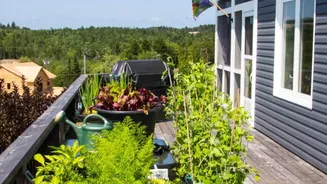
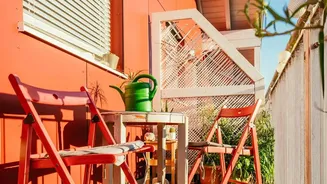
Caring for plants on a balcony or terrace comes with unique challenges. Unlike a garden bed, a pot holds a finite amount of soil that can dry out quickly in the sun and wind. One side of your balcony might get intense afternoon sun while the other remains
in shade, meaning two identical plants have vastly different water needs. Overwatering is a common mistake that leads to root rot, a frequent cause of death for potted plants. Underwatering, on the other hand, causes stress, wilting, and eventual demise. Many new plant parents rely on guesswork, like touching the topsoil or sticking to a rigid schedule, but these methods often fail because they don’t account for changes in weather, humidity, or the plant's growth cycle. This is where technology steps in.
What Are Smart Soil Probes?
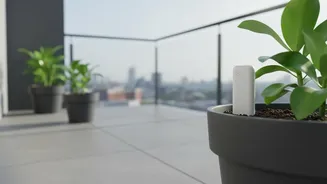
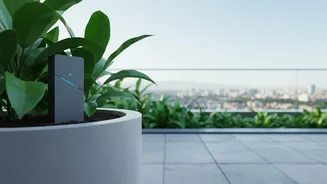
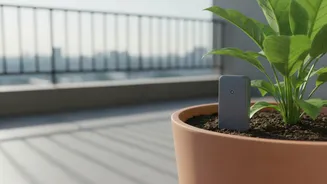
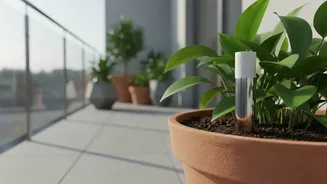
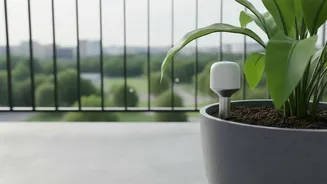
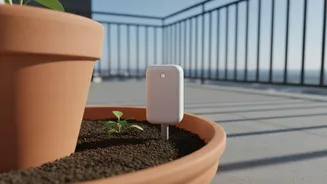
A smart soil probe is a small, typically stick-like device that you insert into the soil of your plant pot. It's an Internet of Things (IoT) gadget, meaning it connects to the internet—usually via your home's Wi-Fi or Bluetooth to your smartphone—to send and receive data. These sensors measure key environmental factors right at the root level. The most crucial measurement is soil moisture. Most sensors use a capacitive method, which is more durable and accurate than older resistive types, to gauge how much water is available to the roots. But they often do more than that, also tracking ambient light levels, temperature, and sometimes even the nutrient or fertilizer concentration in the soil. All this data is sent directly to an app on your phone, giving you a real-time health report for your plant.
From Guesswork to Guidance
The real magic of these probes isn't just the 'Water Now!' alert. It’s how they teach you to become a better plant parent. Instead of a simple yes/no, the companion app shows you the moisture level trends over days and weeks. You can see how quickly the soil dries out after watering, how a heatwave affects its thirst, or how a humid monsoon day means you can skip watering. By correlating the app's data with how your plant looks and feels, you start to build intuition. Many apps feature vast databases of plant species. When you select your specific plant, the app tailors its recommendations for moisture, light, and temperature to that species' unique needs. You're no longer just following generic advice; you're learning the specific rhythm and preferences of your personal plant collection.
Key Features to Consider
When choosing a smart soil sensor, a few features make a significant difference. First, check what it measures. At a minimum, it should offer reliable soil moisture, light, and temperature readings. Second, consider the power source and battery life, as frequent battery changes can be a hassle. The probe length is also important; it needs to be long enough to reach your plant's root zone. Some advanced models even offer adjustable probe lengths. Finally, evaluate the app. Is it user-friendly? Does it have a large plant database? Some systems integrate with smart home platforms like Google Home or Alexa, allowing for voice-controlled updates on your plant's condition. While some sensors are standalone, others require a central hub, so check what's needed for the system to work.
More Than Just Watering
While solving the watering puzzle is the main draw, the additional data points provide a holistic view of your plant's environment. The light sensor can confirm if that 'bright, indirect light' spot on your balcony is actually getting scorched by direct sun for two hours a day. The temperature sensor can warn you if your plant is getting too hot or too cold. Some advanced sensors even monitor soil salinity or pH, alerting you to potential fertilizer buildup. This data-driven approach transforms plant care from a reactive, problem-solving task into a proactive, nurturing activity. It empowers you to make small adjustments before minor issues become major problems, ensuring your balcony jungle doesn't just survive, but truly thrives.