



The Monsoon Gardening Challenge
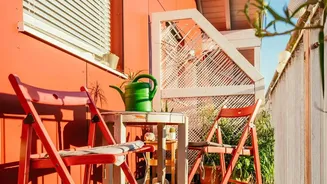
The Indian monsoon, while rejuvenating, presents unique obstacles for urban gardeners. Balcony plants are particularly vulnerable to the season's extremes. The primary issues are waterlogging from incessant rain, which can lead to root rot, and high humidity,
which creates a breeding ground for fungal diseases and pests. Reduced sunlight on overcast days can also slow down growth. The key to a successful monsoon garden is choosing plants that can withstand these conditions and providing them with the right care, starting with excellent drainage in every pot.
Tulsi (Holy Basil): The Resilient Healer
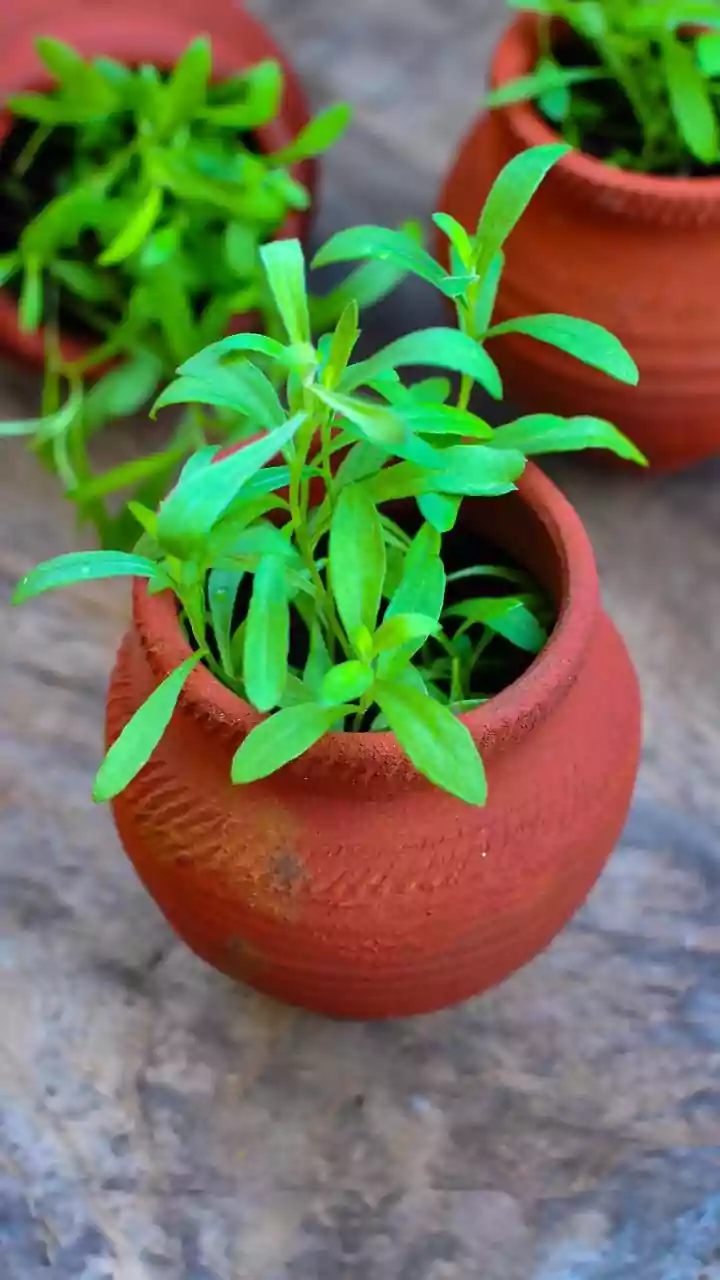
Tulsi is a cornerstone of many Indian homes and a remarkably resilient herb for monsoon gardening. Revered for its immunity-boosting properties, it’s a perfect addition to your home during a season known for coughs and colds. While it loves moisture, Tulsi does not like its roots sitting in water. Ensure your pot has ample drainage holes and use a well-aerated soil mix, perhaps with some sand or cocopeat. It’s best to place it where it can receive indirect sunlight and is shielded from the heaviest downpours, which can damage its leaves. Water only when the topsoil feels dry to the touch.
Mint (Pudina): The Aggressive Thriver
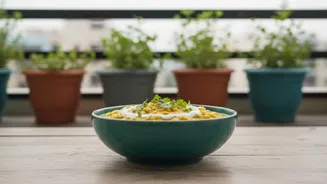
Mint is a moisture-loving herb that practically explodes with growth during the monsoon. Its love for water makes it a natural fit for the rainy season. Known for its refreshing flavour in teas and chutneys, this fast-growing herb is incredibly easy to maintain. However, its vigour is also its biggest challenge; mint spreads rapidly through runners and can easily take over other plants. It is strongly recommended to grow it in a separate container. Provide it with partial shade and ensure the pot has good drainage to prevent the soil from becoming a swamp.
Lemongrass: The Aromatic Protector
With its citrusy aroma and culinary versatility, lemongrass is another excellent choice for a monsoon balcony garden. It thrives in humid, wet conditions and is relatively low-maintenance. An added benefit is that lemongrass acts as a natural mosquito repellent, a welcome feature during the damp monsoon months. This herb requires a slightly larger pot, at least 12 inches deep, to accommodate its root system. While it loves water, ensure the soil is well-draining. Regular trimming of dry or yellowing leaves will encourage healthy new growth.
Ajwain (Carom): The Drought-Tolerant Surprise
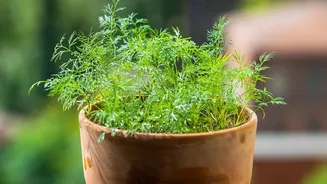
While it may seem counterintuitive to plant a less water-intensive herb during monsoon, Ajwain's hardiness makes it a surprising winner. Its thick, almost succulent-like leaves store water, making it resilient to both the occasional dry spell and the constant dampness, provided it's in well-draining soil. This pungent herb, a staple in Indian kitchens for its digestive properties, prefers a spot with plenty of sunlight. The key is to use a porous soil mix and a pot with excellent drainage, as it cannot tolerate waterlogged conditions. Its ability to cope with fluctuating moisture levels makes it a reliable choice.
Key Monsoon Care for All Herbs
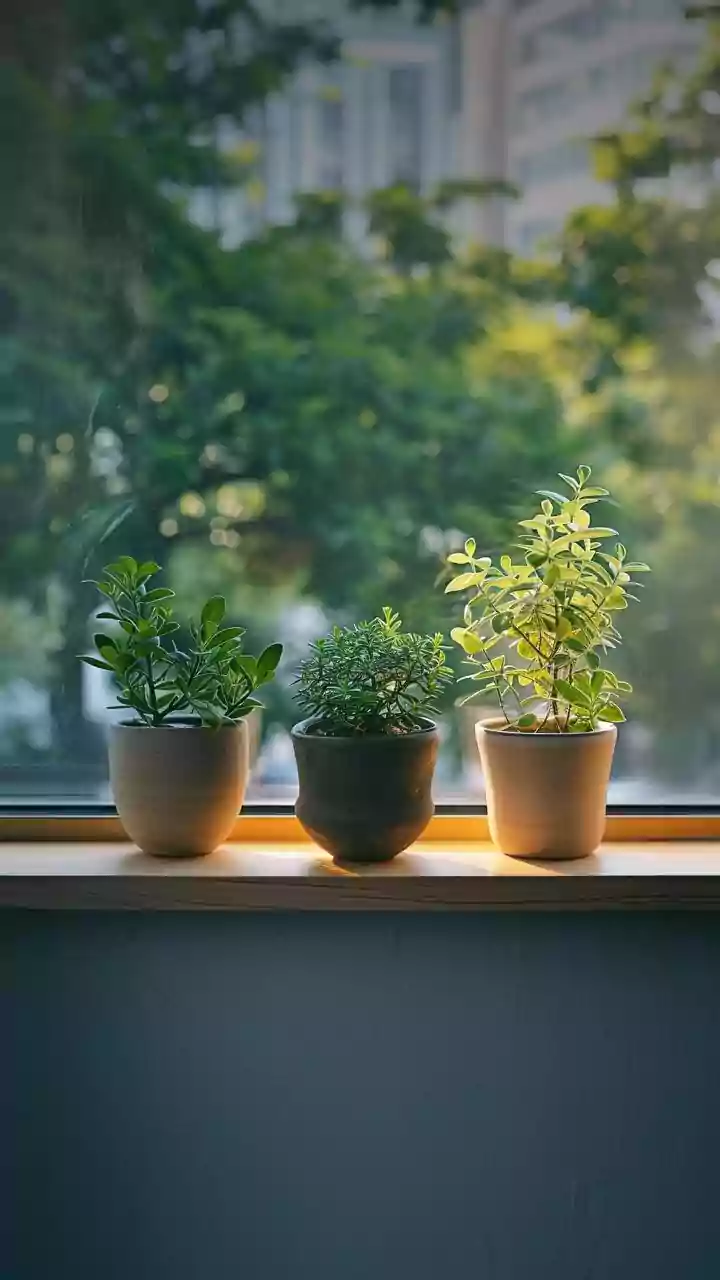
Beyond choosing the right plants, a few general care tips can make all the difference. First, drainage is non-negotiable. Ensure every pot has holes and consider raising them on stands or bricks to help excess water escape. Use a light, well-aerated potting mix; you can amend regular soil with cocopeat and sand to prevent it from becoming compacted by rain. Be vigilant about pests like slugs and fungal issues like powdery mildew, which thrive in humidity. Good air circulation between pots can help, as can a preventive spray of organic neem oil. Finally, hold back on excessive fertilizing, as heavy rains can wash nutrients away too quickly.