





The Monsoon's Final Act
The southwest monsoon doesn't simply stop; it performs a gradual, staggered withdrawal that begins in the country's northwest and moves southeast over several weeks. For 2026, the India Meteorological Department (IMD) has indicated that this process is expected
to commence from west Rajasthan around September 19th, which is close to the normal date of September 17th. This withdrawal is the green signal that travelers wait for, as it ushers in drier conditions, clearer skies, and more pleasant temperatures, setting the stage for the peak tourist months of October, November, and December. However, the retreat isn't always a smooth process. Its pace can be affected by other weather systems, like low-pressure areas in the Bay of Bengal, which can cause the withdrawal to pause or even trigger more rain in some regions.
Northern Plains and Golden Triangle
For the popular Golden Triangle circuit—Delhi, Agra, and Jaipur—September is a transitional month that paves the way for ideal travel conditions. As the monsoon recedes from this region, the heavy rains give way to lighter, sporadic showers, and the humidity begins to drop. The landscape, washed clean by months of rain, appears lush and vibrant, a perfect backdrop for sightseeing. While some rain can still be expected in early September, by the end of the month, the weather becomes significantly more comfortable for exploring iconic sites like the Taj Mahal and the forts of Rajasthan without the intense summer heat or the peak winter crowds. This shoulder season often means fewer tourists and better deals on accommodation.
Himalayan Gateways Reopen
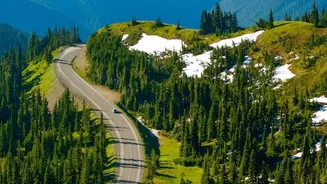
The end of the monsoon is a much-anticipated event for adventure seekers and nature lovers looking towards the Himalayas. States like Uttarakhand and Himachal Pradesh, largely inaccessible due to landslide risks and heavy downpours during peak monsoon, begin to open up. As the skies clear in late September and early October, high-altitude treks like the Valley of Flowers in Uttarakhand, which is a carpet of post-monsoon blooms, become accessible. The air becomes crisp, and the views of snow-capped peaks are unparalleled. The retreating rains leave the forests of Tirthan and Sainj valleys in Himachal Pradesh freshly washed and brilliantly green, offering serene trails and picturesque orchard settings.
Southern India’s Lush Revival
While the monsoon begins its retreat from the north, southern states like Kerala and Karnataka are often still receiving rainfall. However, this year has seen a significant rainfall deficit in the region, including in Kerala. The post-monsoon period transforms these areas into a verdant paradise. In Kerala, the backwaters are full, and waterfalls are at their most spectacular. Hill stations like Munnar and Wayanad, and the coffee estates of Coorg in Karnataka, are wrapped in mist and lush greenery, making it a magical time to visit. Though hot and humid conditions can persist, the landscape's beauty is at its peak, offering a unique experience before the drier, more crowded winter season sets in.
Planning with an Eye on the Sky
A delayed or erratic monsoon withdrawal can significantly impact travel plans. If the monsoon lingers longer than expected, it can mean continued humidity on the plains, an extended risk of landslides in mountainous regions, and potential travel disruptions due to flooding. For 2026, while the withdrawal from the northwest is on schedule, some weather systems are expected to bring continued rainfall to parts of central, eastern, and southern India even after the retreat begins. For instance, Kerala may still experience scattered showers until the northeast monsoon sets in later in October. This makes it crucial for travelers to monitor regional weather updates from the IMD when finalising their plans for late September and early October.