

A Unique and Stable Vantage Point
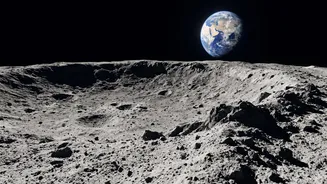
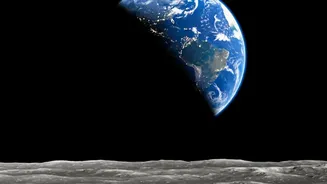
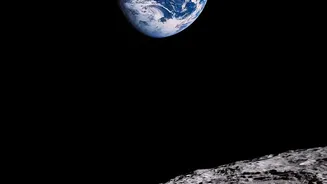
For over half a century, we have studied Earth from space using a swarm of satellites in low-Earth orbit. These satellites provide invaluable data, but they move at high speeds, circle the planet rapidly, and have relatively short lifespans. The Moon,
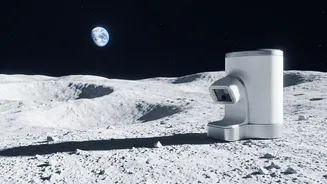
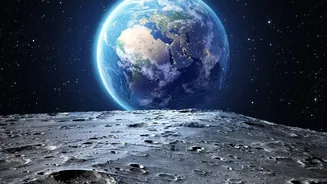
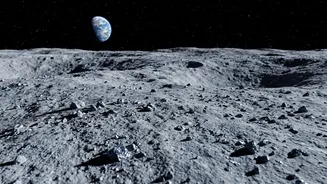
in contrast, offers something our best technology cannot: a stable, distant, and long-term platform. Its tectonic stability means telescopes and sensors can be anchored securely. This provides a consistent, whole-disk view of Earth, allowing for continuous, long-term monitoring of our planet’s systems in a way that fast-moving satellites cannot replicate. This shift in perspective is like trading a fleeting glimpse of a spinning top for a steady, wide-angle view, enabling scientists to observe large-scale phenomena as they unfold over days, months, and even years.
A New Lens on Climate Change
Understanding Earth’s energy budget—the balance between incoming solar radiation and the outgoing heat emitted back into space—is fundamental to climate science. From its distant post, a lunar observatory could measure this global energy balance with unprecedented accuracy. It would allow for continuous monitoring of Earth's overall brightness, or albedo, helping scientists track changes in cloud cover, ice sheets, and forestation. Unlike satellites that capture regional snapshots, a lunar platform would see the entire globe, providing data that is less affected by viewing angles and daily variations. This holistic view is crucial for calibrating our climate models and gaining a more precise understanding of how our planet is responding to rising greenhouse gas levels.
Studying Our Planet's Invisible Shield
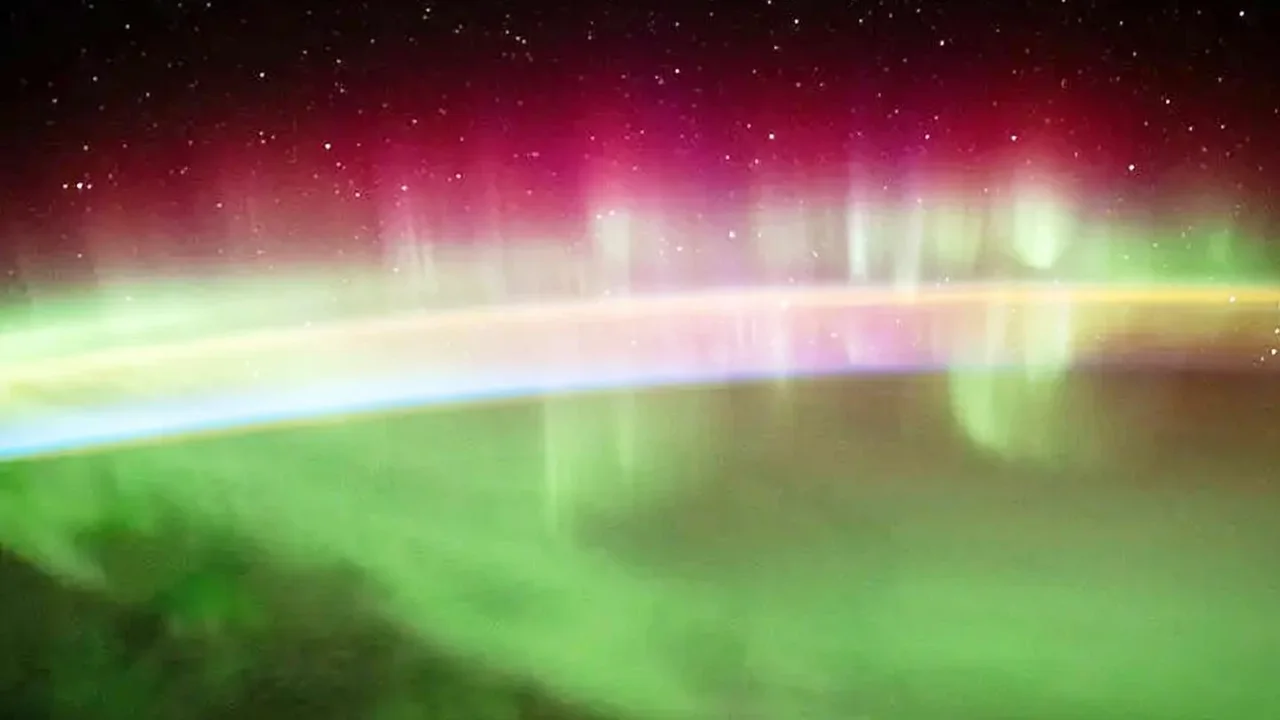
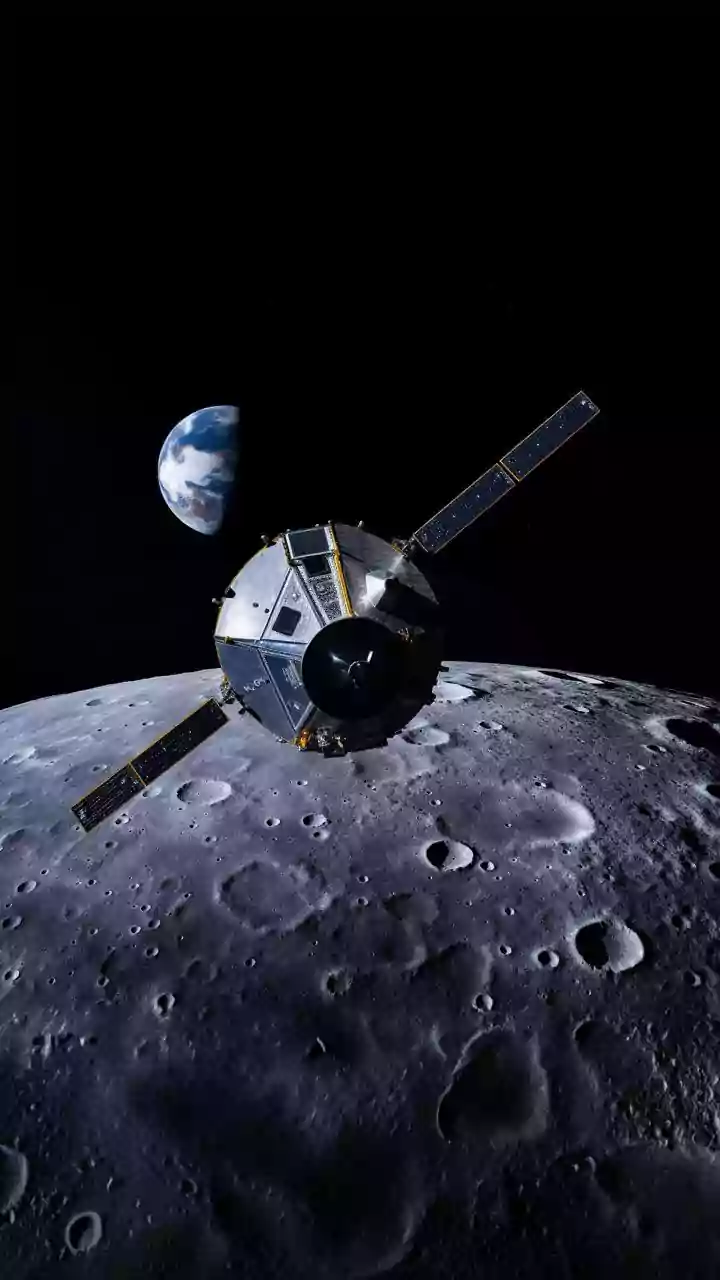
Earth is wrapped in a magnetic bubble called the magnetosphere, which protects us from the harsh solar wind—a constant stream of charged particles from the Sun. For most of its orbit, the Moon is outside this protective field, making it an ideal location to study the magnetosphere from the outside in. Instruments on the Moon could observe how the solar wind interacts with and deforms our magnetic shield, providing a three-dimensional picture of this dynamic process. This research is vital for understanding space weather, which can disrupt satellites, power grids, and communications on Earth. Missions like NASA's ARTEMIS have already used lunar orbit to study these interactions, revealing how the magnetosphere behaves in ways previously unseen from within.
A Window into Earth's Deep Past
The Moon also serves as a historical archive of our own planet. Earth's surface is geologically active; plate tectonics, wind, and water constantly erase its ancient history. The Moon, however, has no such processes. For billions of years, asteroid impacts on Earth have blasted pieces of our planet's crust into space, some of which would have landed on the Moon as meteorites. Scientists believe that by analyzing lunar soil, or regolith, we might find ancient Earth rocks. These samples could hold clues about Earth’s early atmosphere, the composition of its mantle, and even the conditions that led to the emergence of life. Some even suggest ancient atmospheric gases from Earth may be trapped in the lunar soil, offering a direct sample of our planet's primordial air.
The Future of Earth Observation
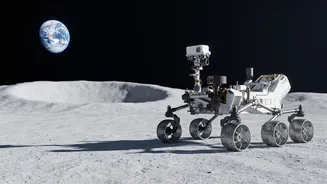
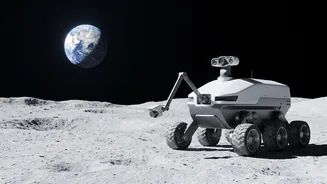
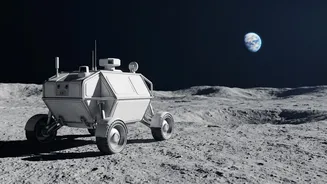
As nations like the U.S., through its Artemis program, plan a sustained human presence on the Moon, the potential for groundbreaking Earth science will only grow. Future lunar bases could host sophisticated observatories operated by astronauts or robotics, creating a global hub for planetary science. These lunar instruments would not replace our existing satellite networks but would complement them, providing a crucial baseline for calibrating data and validating models. By combining the close-up views from orbit with the big-picture perspective from the Moon, we can build the most complete understanding of our home planet yet.