




The Old Guard: A Culture of Convenience
For decades, the Indian coffee landscape was dominated by two distinct forces: the ritualistic filter 'kaapi' beloved in southern households and the quick, convenient appeal of instant coffee nationwide. Brands built empires on providing a fast, consistent
caffeine fix, making coffee a household staple but not necessarily an artisanal experience. While South India has a deep-rooted history with coffee cultivation dating back centuries, the focus for the average consumer was often on the daily ritual rather than the origin or specific flavour profile of the beans themselves. This was a culture of comfort and reliability, where coffee was a dependable part of the day, much like the morning newspaper.
Enter the Third Wave: What is Specialty Coffee?
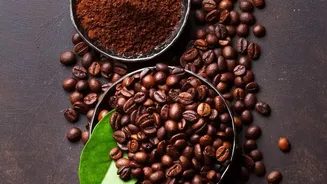
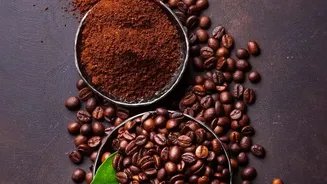
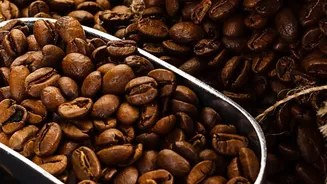
The current shift is part of a global movement known as the "third wave" of coffee. The first wave was mass-market instant coffee, and the second was the rise of café chains. The third wave, however, treats coffee like wine or craft chocolate — as an artisanal product with a unique story. At its heart are 'single-origin' beans, which come from a specific farm or estate, rather than being blended from various sources. This focus on traceability allows consumers to appreciate the 'terroir' — the unique environment of soil, altitude, and climate — that gives each coffee its distinct flavour. These beans are often lightly roasted in small batches to preserve their complex notes, which can range from fruity and floral to chocolatey and nutty.
A New Generation of Coffee Drinkers
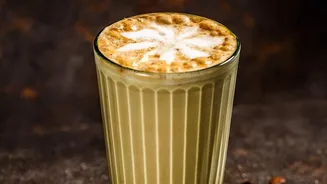
Driving this change is a new generation of young, urban consumers, particularly Gen Z and millennials. For them, coffee is more than just a caffeine delivery system; it's an experience, a lifestyle choice, and a form of self-expression. This demographic is curious and digitally savvy, keen to understand the story behind what they consume. They are interested in where their beans are grown, who grew them, and whether they were sourced ethically and sustainably. Brands that offer transparency, from the name of the estate in Chikmagalur or Coorg to the specific processing method used, are finding a loyal audience. The visual appeal of latte art and minimalist café aesthetics also provides perfect content for social media, turning a daily cup into a shareable statement.
From Farm to Cup: Celebrating Indian Estates
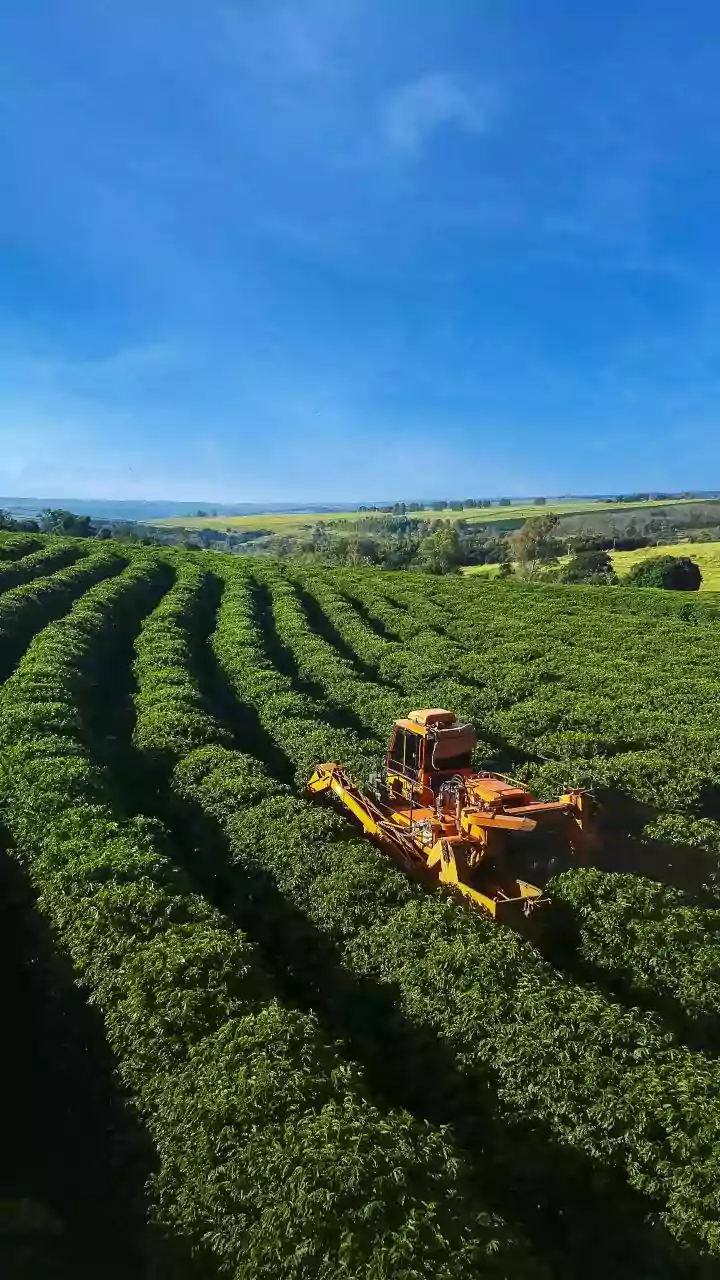
This movement has cast a spotlight on India's own coffee-growing heritage, especially in the Western Ghats. For years, many of India's highest-quality beans were exported, but now they are finding an enthusiastic market at home. Coffee estates in regions like Chikmagalur, Coorg, and the Araku Valley are becoming household names among enthusiasts. Many of these farms practice shade-grown cultivation, growing coffee under a canopy of diverse trees, which slows the bean's maturation and develops more complex flavours. Roasters are now forging direct relationships with these farms, ensuring better prices for farmers and higher quality for consumers, celebrating the unique character of Indian coffee.
The Rise of the Café and the Home Barista
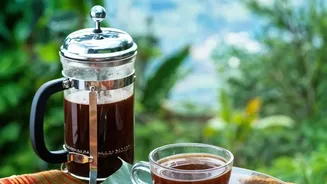
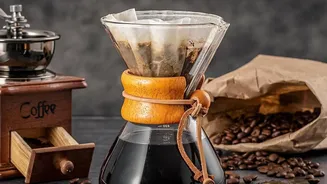
This coffee revolution is unfolding in two key arenas: the explosion of specialty cafes and the boom in home brewing. Cities like Bengaluru, Chennai, and Mumbai have seen a surge in 'third wave' cafes that are not just places to drink coffee, but to experience it. They function as community hubs where baristas educate customers about pour-overs, cold brews, and different brewing techniques. The pandemic also fuelled a new wave of home baristas. Armed with French presses, pour-over kits, and subscriptions to freshly roasted beans, young Indians are recreating the café experience in their own kitchens, moving far beyond the instant coffee their parents might have preferred.