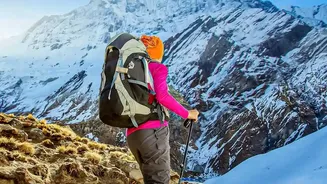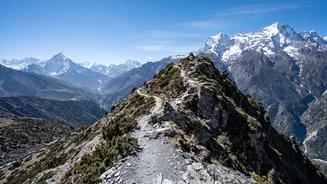





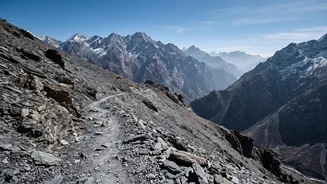
The allure of the Himalayas is undeniable, but a recent incident involving Indian trekkers in Nepal serves as a stark reminder that these majestic mountains demand respect, preparation, and strict adherence to local rules.
A Rescue and a Reckoning in the Himalayas
In early November 2026, six Indian
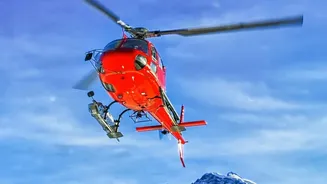
trekkers found themselves stranded in heavy snowfall in Nepal's remote Upper Dolpa region. The group had reportedly ignored weather warnings related to Cyclone Arnab, disregarded advice from their own guide, and entered a restricted trekking area without the mandatory permits. After losing contact, a porter managed to alert authorities, triggering a large-scale helicopter rescue operation that cost Nepal's disaster management fund an estimated one million rupees. Following their rescue, the trekkers were fined for their violations. Authorities levied a penalty of 20,000 Nepalese rupees per person and charged permit fees, bringing the total to 160,000 rupees for the group. Officials noted that while the maximum fine is higher, a concession was made given the trekkers' condition. The incident has cast a sharp light on the non-negotiable rules governing trekking in Nepal.
Understanding Nepal’s Mandatory Trekking Rules
For decades, trekking in Nepal has been a rite of passage for adventurers. However, to enhance safety and manage tourism, the rules have become more stringent. Since April 2023, it has been mandatory for foreign trekkers, including Indian nationals, to hire a licensed guide for most popular trekking routes. Solo or independent trekking in these areas is no longer permitted for foreigners. The cornerstone of this system is the Trekkers' Information Management System (TIMS) card. This card is compulsory for almost all trekking regions and serves as a crucial tool for authorities to track trekkers and coordinate rescue operations in case of emergencies. Additionally, specific regions require their own permits, such as the Annapurna Conservation Area Permit (ACAP) or the Khumbu Pasang Lhamu Rural Municipality Permit for the Everest region.
Why Permits Are More Than Just Paperwork
The permit system is not simply a bureaucratic hurdle; it is a lifeline. The fees collected from TIMS cards and regional permits directly fund conservation efforts, trail maintenance, and the development of local communities that trekking routes pass through. More importantly, the system exists for trekker safety. The information logged on your TIMS card—including your itinerary and personal details—is the first thing rescue teams consult when a trekker goes missing or an accident occurs. As the recent incident in Dolpa shows, when trekkers bypass these official channels, they not only break the law but also become invisible to the safety net designed to protect them, complicating and delaying potential rescue efforts.
The Real Dangers of Unregulated Trekking
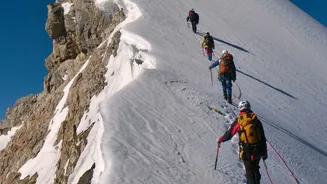
The Himalayas are as perilous as they are beautiful. The risks of trekking without a guide or proper authorisation are severe. They include getting lost in unpredictable terrain, suffering from acute mountain sickness without experienced support, and facing life-threatening situations during sudden weather changes like blizzards or floods. Hiring a licensed guide, a requirement now tied to getting a permit, provides you with an expert who understands the local terrain, weather patterns, and acclimatisation protocols. They are trained to handle emergencies and ensure you stick to safe routes. Attempting to save money by avoiding permits and guides can lead to dire consequences, including hefty fines, deportation, a ban from future trekking, and, most critically, extreme personal danger.
Your Checklist for a Safe Nepal Trek
Planning a trek in Nepal is an exciting prospect. To ensure it is a safe and memorable experience for all the right reasons, it is vital to follow the rules. First and foremost, book your trek through a government-registered trekking agency. They are the only ones who can now obtain a TIMS card and the necessary permits for you. Ensure your travel insurance explicitly covers helicopter evacuation up to high altitudes. Always trek with your licensed guide. Do not attempt to take shortcuts or enter restricted areas. Pack appropriate gear, respect the local culture and environment, and always listen to the advice of your guide and local authorities, especially concerning weather warnings.