






The Paradox of Observing Your Breath
Mindfulness and meditation practices often use the breath as a primary anchor to the present moment. It's always with you, a steady rhythm of life. However, the moment you turn your attention to this automatic process, it can suddenly feel manual. You
might notice your breathing becomes shallow, or you instinctively try to make it deeper and more 'correct'. This is a common experience. The act of paying attention can change the very thing you are trying to observe without interference. The goal isn't to achieve a perfect, unchanging breath, but to practice the art of gentle observation, even when the breath changes. Recognizing this paradox is the first step; it's not a sign of failure, but a normal part of the process.
Noticing Sensations, Not Forcing Rhythms
The key to 'noticing' is to shift your focus from the rhythm or depth of the breath to its physical sensations. Instead of thinking about how you are breathing, try to feel where you are breathing. This becomes your anchor point. Common anchors include the feeling of cool air entering your nostrils and warm air leaving, the subtle rise and fall of your abdomen or chest, or the sensation of air passing down your throat. Rest your attention lightly on one of these spots, as if it were a butterfly landing on a flower—present, but not gripping. There is no need to judge the breath as 'good' or 'bad', 'shallow' or 'deep'. Your only task is to feel the physical sensations of whatever breath is happening naturally in that moment.
Setting the Stage for Natural Breathing
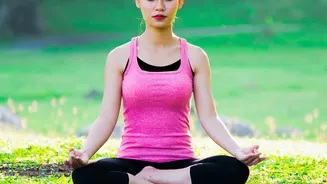
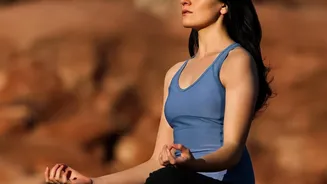
Your posture and environment can either help or hinder your ability to breathe naturally. Find a comfortable position, whether sitting on a cushion or a chair. The key is to keep your spine upright but not rigid, allowing your respiratory system to function smoothly. Let your shoulders relax and your hands rest gently in your lap or on your knees. Soften your gaze or gently close your eyes to reduce external distractions. Before focusing on the breath, take a moment to notice your body as a whole, feeling the points of contact with the chair or floor. This helps ground your awareness in the body before narrowing it to the smaller sensations of the breath.
When You Inevitably Start Controlling It
Even with the best intentions, you will find yourself controlling your breath at times. Don't be discouraged. Some meditation teachers even suggest that it's okay to accept this initial control as part of the process. One technique is to intentionally take a few slightly deeper, more conscious breaths to settle a restless mind, and then consciously return to natural observation. Another approach is to completely exhale all the air from your lungs; your body's natural reflex to inhale will take over, resetting your breath to a more automatic pattern. If you remain fixated on control, it can be helpful to shift your anchor. Instead of the breath itself, you could focus on sounds in the room or the feeling of your feet on the floor for a few moments before returning to the breath.
The Wandering Mind Is Not a Failure
Your mind will wander. This is not a mistake or a sign you are bad at meditation; it is simply what minds do. You might get lost in thoughts, plans, or memories. The moment you realise your attention has drifted is a moment of mindfulness itself. The practice is not about preventing thoughts, but about how you respond when you notice them. Gently acknowledge the distraction without judgment, and then softly guide your focus back to the sensation of your breath. This act of noticing and gently returning, over and over, is the core of the exercise. It builds the mental muscle of focus and self-compassion.