


Start with a Lightweight Bag
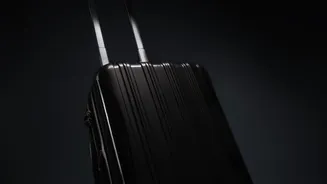
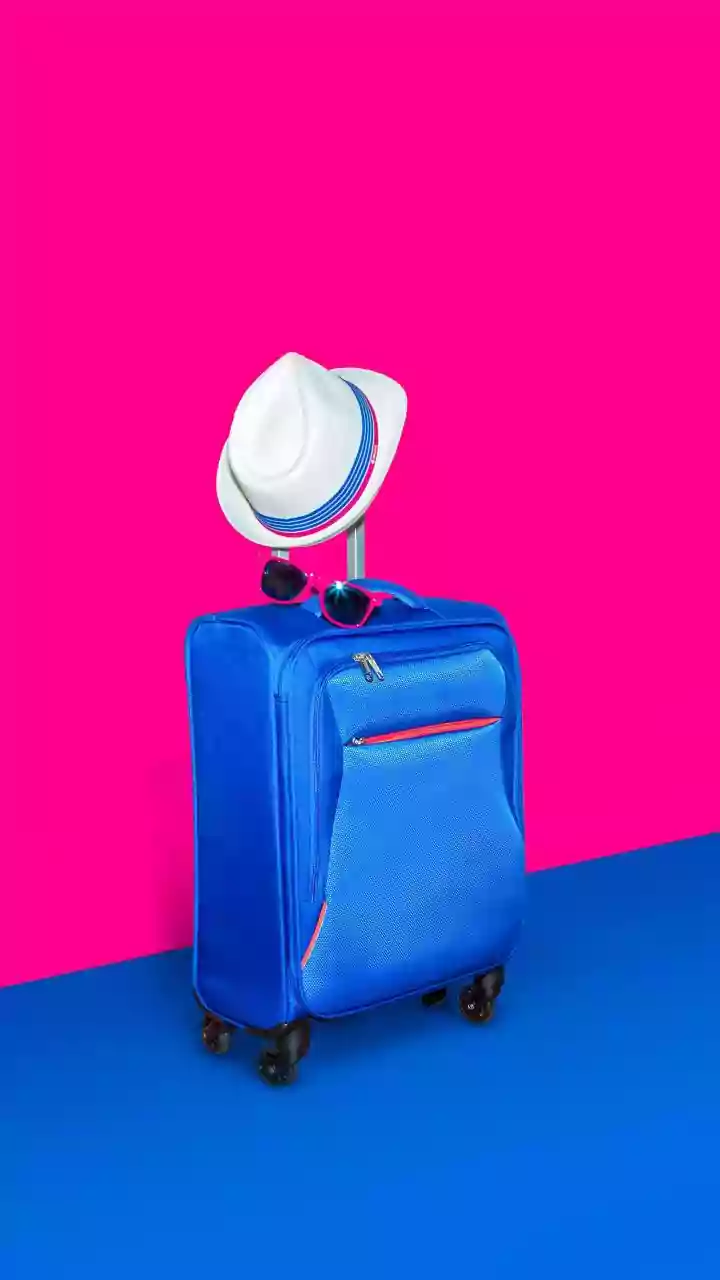
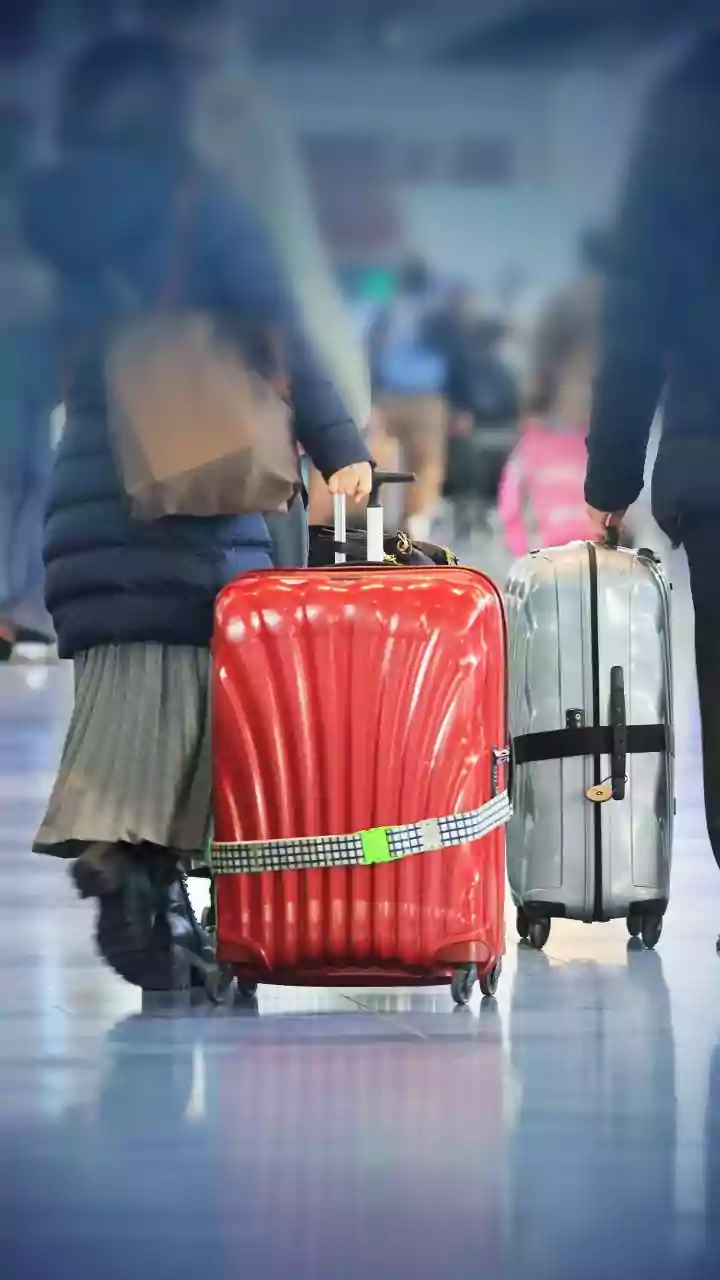
The first step to beating the 7kg limit happens before you even pack a single t-shirt. Your bag itself is the foundation of your success. Many stylish hard-shell trolley bags weigh between 3 to 3.5kg when empty. That's half your weight allowance gone
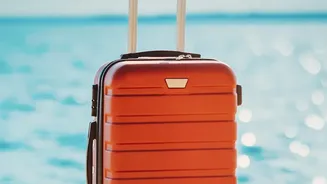
before you start. To maximize what you can carry, invest in an ultra-lightweight bag. Look for soft-shell polypropylene bags or minimalist travel backpacks, which can weigh as little as 1.5kg or even under 1kg. This simple change can recover over a kilogram of usable packing weight, which is the equivalent of several extra garments.
Embrace the Capsule Wardrobe
The core principle of light packing is not bringing seven distinct outfits, but rather a small collection of versatile items that can be mixed and matched. This is the capsule wardrobe concept. For a week, you don’t need more than 10-14 core pieces, including what you wear on the flight. A good formula is two or three bottoms (like jeans or trousers), three or four tops, a versatile dress, and one layering piece like a jacket or shawl. The key is choosing items within a coordinated colour palette—think two neutrals and one accent colour—so that every top works with every bottom. This strategy maximizes your outfit combinations without adding bulk.
Fabric Choice is Everything
Not all clothing is created equal when it comes to weight and versatility. Heavy cottons and bulky knits are the enemies of a 7kg bag. Instead, opt for lightweight, quick-drying fabrics. Merino wool is a travel favourite because it’s light, regulates temperature, and resists odours, meaning you can wear it multiple times without washing. Synthetic fibres like nylon and polyester are also excellent choices; they weigh very little, dry quickly, and are less prone to wrinkling. A single pair of versatile jeans is a good anchor for many outfits, but limit yourself to one and wear it on the plane.
Master the Art of Packing
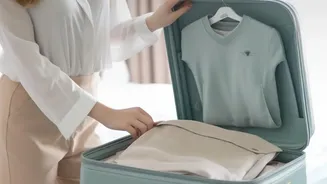
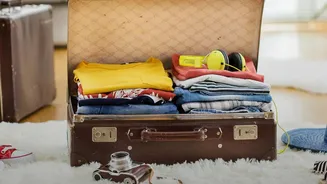
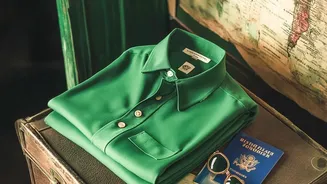
How you pack is as important as what you pack. Rolling your clothes is a popular technique that can save significant space and reduce creasing on casual items like t-shirts and shorts. This method allows you to see all your items at a glance and makes your bag easier to organize. For more structured items like button-up shirts or blazers, careful folding might be better to avoid unwanted creases. Packing cubes are invaluable tools. While they don't magically reduce weight, they compress clothing, keep your bag tidy, and allow you to separate items by category, making unpacking a breeze.
Downsize Your Toiletries and Tech
Liquids and electronics are surprisingly heavy. Instead of full-size bottles, decant your essential liquids into travel-sized containers under 100ml. Better yet, switch to solid toiletries. Solid shampoo bars, conditioner bars, and soap eliminate the risk of leaks and are much lighter. For electronics, be ruthless. Do you really need a laptop, a tablet, and a Kindle? Consolidate your chargers by using a multi-port GaN charger that can power all your devices from one plug.
Wear Your Heaviest Items
This is one of the oldest and most effective packing tricks in the book. Your bulkiest items—be it hiking boots, a jacket, or your pair of jeans—should be worn on the plane. The weight of the clothes you are wearing doesn't count towards your carry-on allowance. This single move can free up a significant amount of weight and space in your bag, giving you precious room for other essentials. It might feel a little cumbersome at the airport, but it's a small price to pay for avoiding overweight baggage fees.