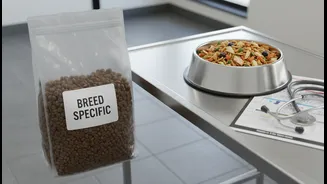






Understanding the Nutritional Basics
Before you even look at a food bag, it's crucial to understand what your pet actually needs. Dogs and cats have different requirements. Cats are obligate carnivores, meaning they require nutrients like taurine found only in animal-based ingredients to thrive.
Dogs, on the other hand, are omnivores and can get nutrients from a wider variety of sources. Both need a complete and balanced diet containing the right proportions of protein, fats, carbohydrates, vitamins, and minerals. The Association of American Feed Control Officials (AAFCO) provides nutritional standards for pet foods, and looking for an AAFCO statement on the label is a good first step to ensure a product is formulated for your pet's life stage, whether that's growth (puppy/kitten), adult maintenance, or all life stages.
Decoding the Main Diet Options
Pet food generally falls into four categories: dry food (kibble), wet food, raw diets, and home-cooked meals. Kibble is the most popular choice due to its convenience, long shelf life, and affordability. Wet food has a high moisture content, which is great for hydration, especially for cats, and is often more palatable for picky eaters. Raw food diets, which consist of uncooked meat, bones, and organs, have a loyal following, with proponents claiming benefits like shinier coats and better digestion. Home-cooked meals offer control over every ingredient, which can be beneficial for pets with specific allergies. Each option has its own set of pros and cons related to cost, preparation time, and nutritional completeness.
Safety is Non-Negotiable
Regardless of the diet you choose, safety must be the top priority. For commercial foods, this means reading the ingredient list. Look for a high-quality protein source like chicken or fish listed first, and be wary of vague terms like “meat by-products” or artificial preservatives. If you're considering a home-cooked or raw diet, the risks are higher. Raw meat can carry bacteria like Salmonella and E. coli, posing a risk to both pets and humans if not handled with extreme care. Homemade diets, while well-intentioned, are often nutritionally imbalanced. Many studies have found that recipes found online or in books frequently lack essential nutrients like calcium and vital amino acids, which can lead to serious health problems over time. Always avoid ingredients known to be toxic to pets, such as onions, garlic, grapes, and certain artificial sweeteners.
The Practicality and Affordability Puzzle
The 'best' diet is useless if you can't maintain it. Dry kibble is undeniably the most practical option for busy households. Home-cooked and raw diets require significant time for sourcing, preparation, and clean-up. Cost is another major factor. While premium or boutique brands can be expensive, a high price doesn't always guarantee superior quality. Many affordable brands available in India, such as Pedigree or Drools, offer nutritionally complete options that meet AAFCO standards. You can also make a good quality diet more affordable by buying in bulk. Supplementing a quality kibble with safe, home-prepared foods like boiled chicken, paneer, or certain vegetables can also be a budget-friendly way to boost your pet's diet, but this should only form a small part of their overall intake.
Making the Final Choice
So, how do you decide? Start by assessing your pet's individual needs based on their age, breed, activity level, and any health issues. Next, be honest about your own lifestyle and budget. A high-quality commercial kibble is a perfectly healthy and reliable option for the vast majority of pets and is far safer than an improperly balanced homemade diet. If you are committed to a home-cooked diet, it is essential to do so under the guidance of a veterinary nutritionist who can formulate a complete and balanced recipe. Ultimately, the best food is one your pet thrives on—evidenced by good energy levels, a healthy coat, and proper digestion—that you can provide consistently and safely.