



Act Fast: The First Steps
The moment you take off drenched shoes, the clock starts ticking. The longer they stay wet, the higher the risk of damage and odour-causing bacteria. Before you do anything else, remove the laces and insoles. This simple action opens up the shoe, allowing
air to circulate more freely and ensuring all parts dry thoroughly and evenly. If your shoes are caked in mud, take a moment to gently clean them before starting the drying process. Drying shoes while they are still dirty can lock in stains and smells.
The Newspaper Method: A Timeless Trick
One of the most effective and safest ways to dry footwear is the age-old newspaper trick. Crumple sheets of newspaper into loose balls and stuff them inside each shoe. The paper acts like a sponge, drawing moisture out from the interior while helping the shoe maintain its shape. Check the newspaper every few hours; if it feels damp, replace it with fresh, dry sheets. This process might take a day or two for heavily soaked shoes, but it is gentle on all materials. For light-coloured shoes, consider using plain white paper or paper towels to avoid any risk of ink transfer.
Harness the Power of Airflow
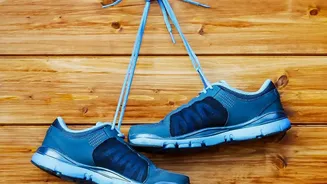
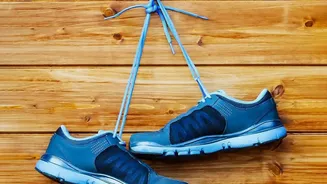
Good ventilation is your best ally. Place the stuffed shoes in a well-ventilated area, away from direct heat. To speed things up, position a fan to blow cool air across the shoes. Don't point the fan directly into the shoe opening; instead, let the air flow around and over them to create an evaporative effect. You can hang shoes with laces on the fan's grille or prop them on their side to ensure air reaches every part. This method significantly cuts down drying time compared to still air alone.
The Biggest Mistake: Avoid Direct Heat
It might be tempting to place your wet shoes near a radiator, space heater, or use a hairdryer, but this is the quickest way to cause permanent damage. Intense, direct heat can crack and shrink leather, melt adhesives, cause synthetic materials to warp, and make soles brittle. Likewise, leaving shoes to bake in direct sunlight can fade colours and weaken materials like leather. Patience and indirect drying methods are key to preserving your footwear. The goal is to dry your shoes, not cook them.
Tips for Different Materials
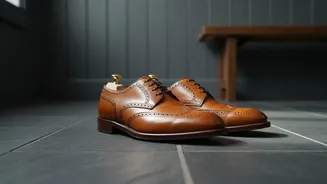
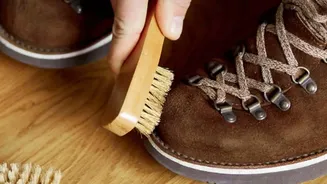
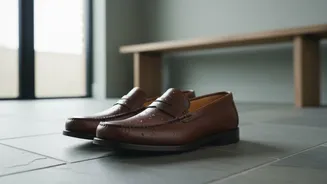
Different shoe materials require slightly different approaches. For leather, slow and steady wins the race. After leather shoes are completely dry, it's crucial to apply a conditioner to replenish the natural oils that were stripped away. For suede, which is particularly sensitive to water, blot any moisture immediately with a cloth and allow it to air dry completely. Once dry, use a suede brush to restore the texture. Canvas and synthetic sneakers are generally more resilient but still benefit most from the newspaper and fan method.
Fighting the Musty Smell
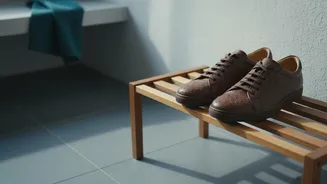
Even after drying, a lingering musty odour can be a problem during the monsoon. Once your shoes are mostly dry, sprinkle a bit of baking soda inside each one and leave it overnight. The baking soda will absorb any remaining moisture and neutralise bad smells. Simply tip out or vacuum the powder in the morning. To prevent odours from developing in the first place, always ensure your shoes are completely dry before wearing or storing them. Rotating between two or three pairs of shoes during the rainy season gives each pair adequate time to dry out.