




Beyond Pakoras and Chai
For generations, the arrival of the monsoon in India has been synonymous with a specific set of culinary comforts. A hot cup of chai, a plate of crispy pakoras or bhajjis, and the smell of wet earth. But a scroll through your Instagram or Pinterest feed
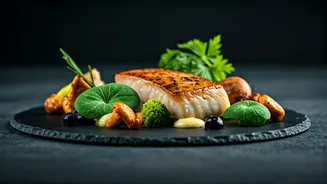
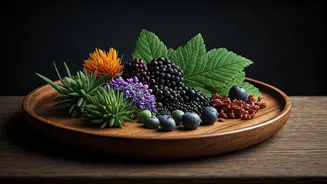
today reveals a new, more adventurous monsoon menu. Chefs, home cooks, and food influencers are championing “wild monsoon plates”—dishes that showcase the forgotten, foraged, and hyperlocal bounty that springs to life with the rains. These aren't just meals; they're beautifully composed stories of a specific time and place. Think earthy mushrooms, vibrant wild greens, and delicate flowers, all arranged on artisanal plates, creating images that are, as the headline suggests, irresistibly clickable.
The Stars of the Plate
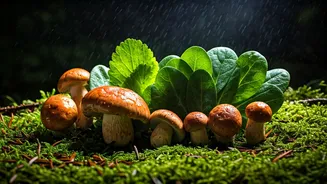
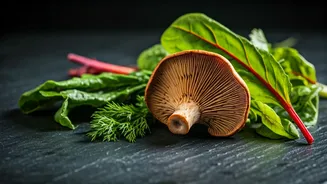
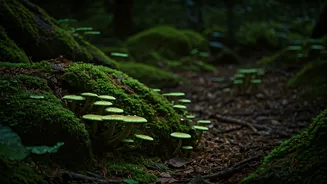
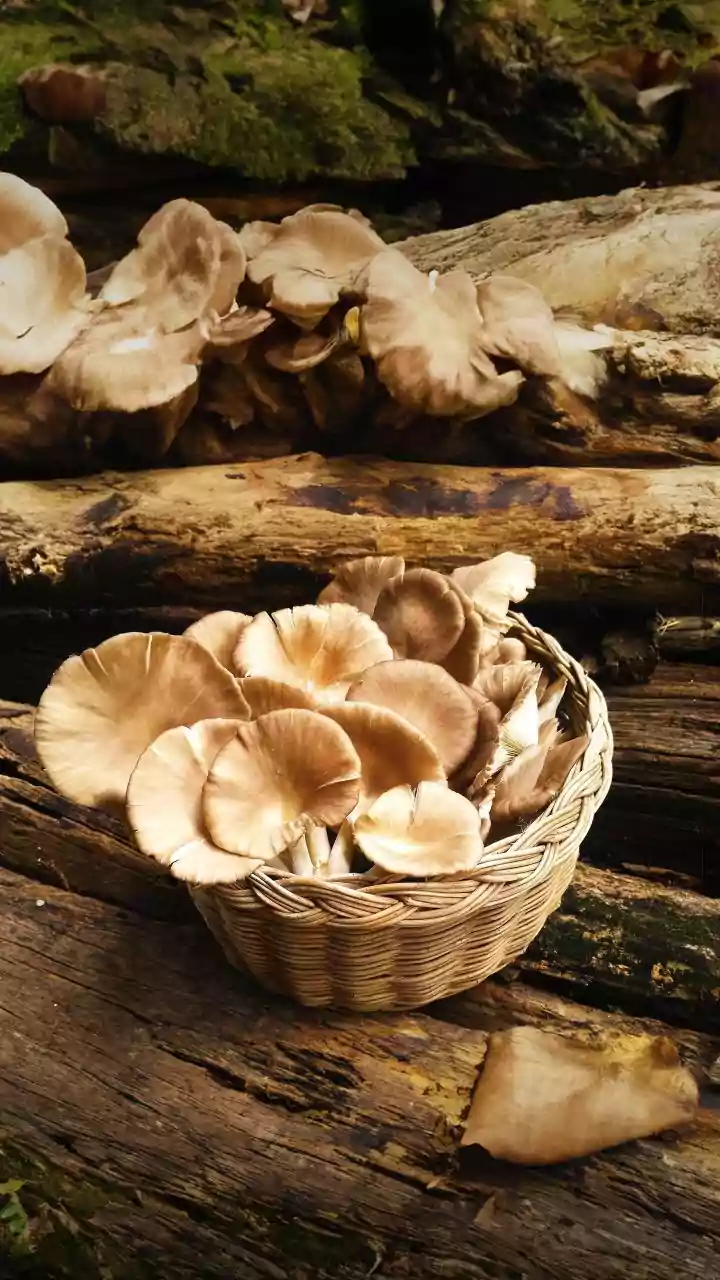
So, what exactly is on these plates? The ingredients are as diverse as India’s landscapes. In the Western Ghats, it might be the much-prized ‘shevla’ (dragon stalk yam) or the tender fiddlehead ferns known as ‘kasrod’. In parts of Goa and Maharashtra, it’s the season for wild mushrooms like ‘olmi’ and ‘roen olmi’, which have a unique, meaty texture. In the east, you might find dishes featuring ‘kash phool’ (kaincha flowers) or foraged greens like ‘takla’ (cassia tora). These ingredients, once confined to rural kitchens and local markets, are now being celebrated for their unique flavours, textures, and nutritional benefits. They offer a taste profile that is impossible to replicate with cultivated produce—a little wild, a little unpredictable, and deeply connected to the soil.
From Forest to Fine Dining
This trend isn't just a grassroots movement; it's being embraced by some of the country's top chefs and restaurants. They are diving into traditional knowledge systems, often collaborating with local communities and foragers to source these ingredients responsibly. By putting wild edibles on their menus, they are doing more than just creating a novel dining experience. They are preserving culinary heritage and introducing a new generation of urban diners to the incredible biodiversity of their own country. This movement, often called ‘locavore’ or ‘farm-to-table’, takes on a uniquely Indian flavour during the monsoon. It becomes ‘forest-to-fork’, a direct line from the rain-soaked wilderness to a thoughtfully plated dish in a city restaurant.
The Art of the Clickable
Of course, a key part of this trend's viral nature is its visual appeal. There’s an undeniable aesthetic to these wild monsoon plates. The colours are often earthy and muted—deep greens, rich browns, and pale whites, punctuated by a splash of colour from an edible flower. The textures are rustic and organic. Think of a dark, glossy mushroom next to a bright green fern on a handmade ceramic plate. This is the opposite of the overly processed, brightly coloured food that often dominates social media. It feels authentic, wholesome, and deeply rooted in nature. This raw, natural beauty photographs incredibly well, tapping into a broader desire for authenticity and a connection to the natural world that many of us crave in our hyper-digital lives.
More Than Just a Pretty Picture
While the beautiful images may be what draws us in, the wild monsoon plate trend signifies something much deeper. It represents a growing consciousness around food—where it comes from, how it’s grown, and its impact on the environment. By celebrating foraged ingredients, we are implicitly celebrating biodiversity and sustainable food systems. It’s a pushback against the monoculture of industrial agriculture and a reminder that nature provides a vast and varied pantry, if only we know where to look. This trend encourages curiosity, inviting us to learn the names of the plants that grow around us and understand the rhythms of the seasons. It’s a delicious way to reconnect with our environment and our culinary roots.