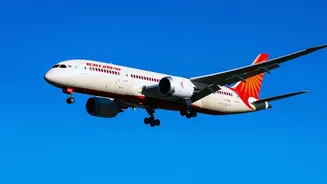







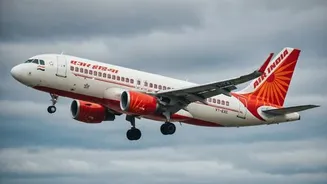
Air India has reported a massive Rs 10,800 crore loss for the first half of fiscal year 2027. The figure seems jarring for an airline undergoing a high-profile revival. So what's behind the number? The story is one of strategic spending.
The High Cost of a Monumental Turnaround
Since the Tata
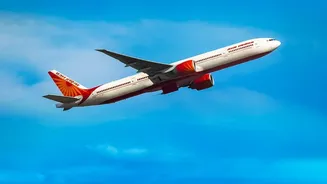
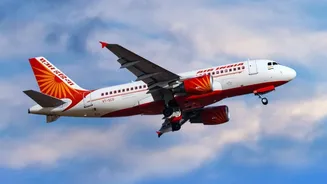
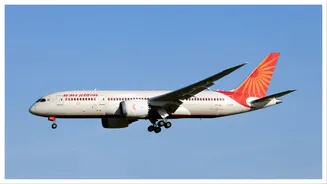
Group reacquired Air India in 2022, it has embarked on one of the most ambitious turnarounds in aviation history. This process is incredibly expensive. The headline-grabbing loss reflects a period of intense, planned investment. The airline has a colossal order for nearly 600 new aircraft from Airbus and Boeing and is spending an additional $400 million to retrofit its older wide-body planes. This includes complete cabin refurbishments, new seats, and modern inflight entertainment systems to elevate the passenger experience to global standards. These long-term investments are crucial for modernising a fleet that suffered from years of underinvestment but require immense upfront capital, which is directly impacting the current balance sheet.
Merger Pains and Integration Expenses
Transforming four distinct airline brands into two is a complex and costly task. Air India is in the process of merging the full-service carrier Vistara (a joint venture with Singapore Airlines) into Air India, and the budget carrier AirAsia India into Air India Express. This integration involves far more than just repainting planes. It means aligning different work cultures, integrating complex IT and booking systems, standardising employee protocols, and streamlining operations. These activities incur significant one-time costs related to consulting, technology, and personnel, all of which contribute to the reported losses. Both Tata Sons and partner Singapore Airlines have acknowledged that a transformation of this scale will take time to complete and stabilise financially.
Turbulent Skies: Market and Geopolitical Headwinds
Air India's transformation is not happening in a vacuum. The airline industry has been navigating a challenging environment. A primary factor is the surge in jet fuel prices, which have risen dramatically due to geopolitical instability. Fuel can account for 30-40% of an airline's operating costs, making any spike a major financial burden. Furthermore, geopolitical issues have led to airspace closures, forcing airlines to take longer, more expensive routes, particularly to Europe and North America. These external pressures drive up operational expenses significantly, making it harder for the airline to reach profitability even as it works to improve internal efficiencies.
A Silver Lining in the Numbers
While the Rs 10,800 crore figure is substantial, it's important to put it in context. The loss for the first half of FY27 is actually an improvement over the same period last year, when losses were estimated at around Rs 12,500 crore. This 16% reduction suggests that the cost control measures and operational restructuring efforts are beginning to yield results. The airline's new CEO, Tewolde Gebremariam, has emphasized a focus on cost discipline and operational efficiency as key priorities. This moderation in losses, even amidst heavy investment and external pressures, indicates that the turnaround strategy, known as 'Vihaan.AI', is making tangible progress, albeit slowly.