








The Biryani Dilemma
Let’s be honest: a traditional biryani is a heavy affair. Loaded with ghee, polished white rice, and often deep-fried elements, it’s a dish many of us reserve for special occasions, mindful of its calorie count. The rich gravies and fatty cuts of meat
can make it a rich, decadent meal that leaves you feeling sluggish. But the desire for a healthier lifestyle doesn’t mean you have to bid farewell to your favourite food. The secret lies not in eliminating it, but in reinventing it with a few smart, simple swaps. By focusing on whole ingredients and better cooking techniques, you can transform biryani from a guilty pleasure into a wholesome meal.
Rethink Your Foundation: The Rice
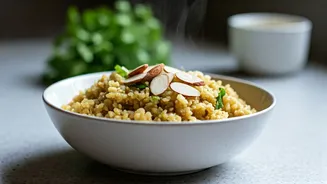
The soul of a biryani is its long, fragrant basmati rice. However, traditional white rice is a refined carbohydrate, meaning it's stripped of its bran and germ, along with most of its fibre and nutrients. The simplest, most impactful upgrade is switching to brown basmati rice. It retains the bran and germ, offering a significant boost in fibre, which aids digestion and promotes a feeling of fullness. This means you’re likely to eat a smaller portion and still feel satisfied. Brown rice also has a lower glycemic index, leading to a slower, more stable release of energy. If you're not ready for the full switch, start with a 50/50 mix of white and brown basmati to get used to the nuttier flavour and chewier texture.
Choose Leaner, Meaner Proteins
While mutton biryani has a special place in our hearts, red meat is higher in saturated fat. For a healthier version, opt for leaner proteins. Skinless chicken breast is a fantastic choice, as it’s low in fat and high in protein. Fish, particularly firm varieties like kingfish (surmai), makes for a delicate and delicious biryani that’s rich in omega-3 fatty acids. For vegetarians, the options are plentiful. Instead of just potatoes, build your biryani around protein-packed chickpeas, soya chunks, or paneer. A generous serving of mixed vegetables not only adds nutrients and fibre but also makes the dish more vibrant and filling.
Load Up on Vegetables
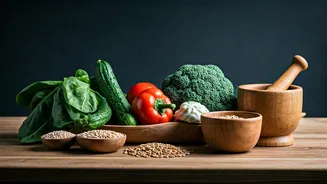
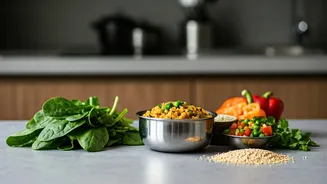
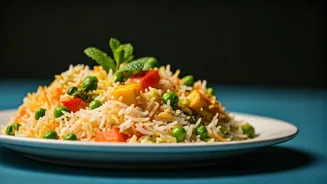
A traditional biryani can sometimes be sparse on vegetables. A healthy upgrade involves being generous with them. Don't just stick to the token peas and carrots. Bulk up your biryani with a rainbow of vegetables like bell peppers, cauliflower, broccoli, French beans, and mushrooms. Veggies add essential vitamins, minerals, and antioxidants. More importantly, their high fibre and water content increase the volume of the dish without adding significant calories, helping you feel full on a smaller portion of rice and protein. They also add wonderful texture and flavour, reducing the need for excess salt and fat to make the dish palatable.
Master the Marinade and Cooking Fat
The magic of a good biryani often starts with the marinade. Traditionally, this involves a rich mix of spices and sometimes cream or a lot of oil. A healthier approach is to lean heavily on yoghurt (dahi). A yoghurt-based marinade not only tenderises the meat beautifully but also adds probiotics, which are great for gut health. Use spices generously—turmeric, coriander, cumin, and garam masala are packed with anti-inflammatory properties. When it comes to cooking fat, be mindful of the ghee. While a teaspoon of ghee for flavour is perfectly fine and has its own benefits, you can replace the bulk of the cooking oil with a lighter option like rice bran or sunflower oil. Or better yet, rely on the moisture from the yoghurt and vegetables to cook the ingredients.
Bake, Don't Fry Your Onions
That crispy, golden-brown fried onion, or 'birista', is a non-negotiable garnish for many biryani lovers. But deep-frying slices of onion soaks them in oil. The modern kitchen offers a fantastic alternative: the oven or an air fryer. Thinly slice your onions, toss them with a bare minimum of oil (a half-teaspoon is often enough), and bake or air-fry them until they are crisp and golden. You get the same crunchy texture and sweet, caramelised flavour that elevates the biryani, but with a fraction of the fat and calories. It’s a small change in technique that makes a massive nutritional difference.