




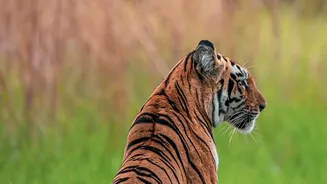
A Second Home for the King
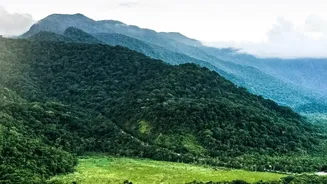
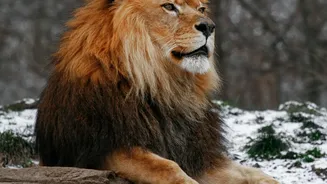
The long-discussed plan to secure the future of the Asiatic lion is finally taking concrete shape in the hilly forests of Barda. Under the central government's 'Project Lion', Barda Wildlife Sanctuary, located about 100 km from Gir, has been officially
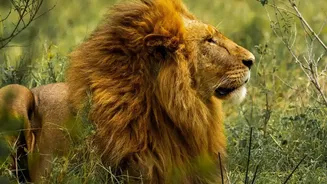
identified as a second home for the species. This isn't just a backup plan; it's a strategic move to de-risk the entire population. The project has already seen lions naturally recolonise the area after 144 years, with a male lion arriving in January 2023, later followed by the introduction of several females by the Forest Department. As of October 2026, a small but significant population of 17 lions, including cubs, now calls Barda home, marking a historic moment for Indian conservation.
The Success and Risk of Gir
The need for a second home stems directly from the immense success of conservation at Gir National Park. From a precarious low of just a few dozen individuals in the early 20th century, the lion population has rebounded spectacularly, with the 2020 census counting 674 lions. This success, however, created a unique vulnerability. Confining an entire species to a single geographical area leaves it dangerously exposed to threats like disease outbreaks or natural disasters. A canine distemper virus outbreak in 2018 served as a stark reminder of this risk, reinforcing what experts had warned for decades: putting all of a nation's lions in one basket is a gamble. Gir has become overcrowded, pushing lions to move into surrounding human-dominated landscapes and increasing the urgency for a new, protected habitat.
Getting to Know Barda
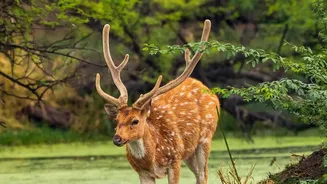
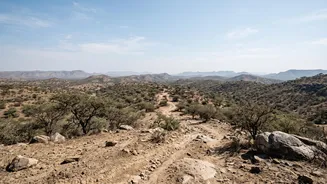
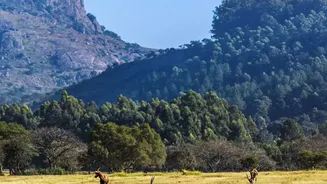
Far from being a mere overflow pasture for Gir's lions, Barda Wildlife Sanctuary is a rich and diverse ecosystem in its own right. Declared a sanctuary in 1979, its 192 sq. km. of hilly terrain was once a private reserve for the rulers of Porbandar and Jamnagar. The landscape is a mix of southern dry mixed deciduous and tropical thorn forests, with over 650 species of plants, including many with medicinal value. Before the lions' return, Barda was already home to a variety of wildlife, including leopards, blue bulls (nilgai), wild boar, hyenas, and jackals. To prepare for its new apex predators, the forest department has been augmenting the prey base, translocating hundreds of spotted deer (chital) from Gir to ensure a sustainable food source for the growing lion population.
A Broader Conservation Canvas
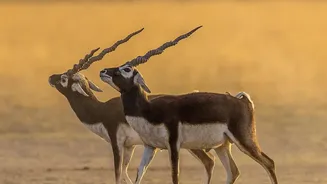
The focus on Barda highlights a broader truth: Gujarat's wildlife story is far richer and more complex than just the lions of Gir. The state boasts a mosaic of unique ecosystems, each with its own conservation narrative. There is the Velavadar National Park, a vast grassland protecting the elegant blackbuck. The arid landscapes of the Little Rann of Kutch are the last global stronghold of the Indian Wild Ass (Ghudkhur). Further, the Nalsarovar Bird Sanctuary is a massive wetland that becomes a haven for countless migratory birds each winter. These sanctuaries, along with numerous other protected areas, showcase the state's diverse ecological heritage. The development of Barda, therefore, is not an isolated event but part of a wider, more mature approach to managing and celebrating the entirety of Gujarat's natural treasures beyond its most famous resident.