



The Perfect Canvas: Nilgiri Tea
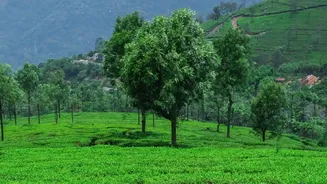
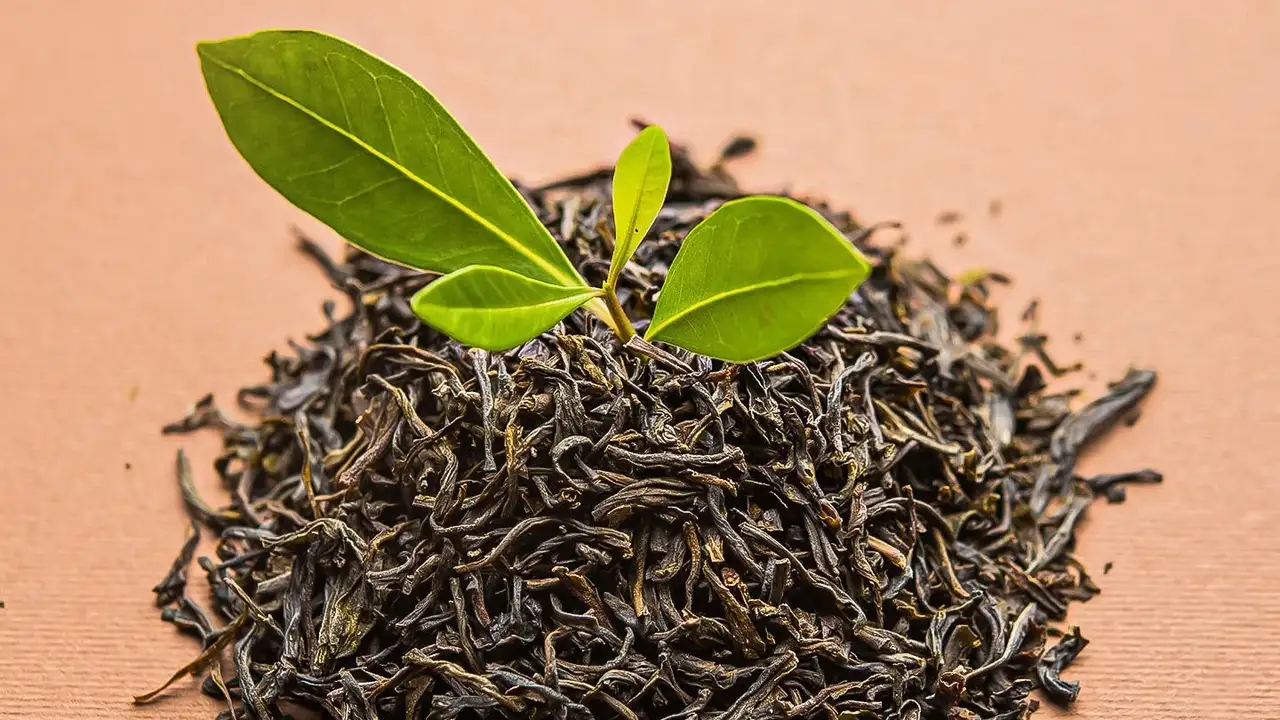
The journey begins in the Nilgiri mountains, or ‘Blue Mountains’, of Southern India. Unlike the bold, malty Assam or the delicate, complex Darjeeling, Nilgiri tea offers a unique profile that makes it ideal for blending. It’s known for being exceptionally
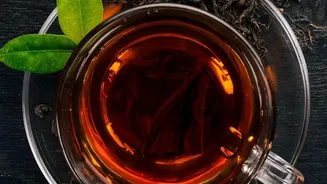
smooth, fragrant, and naturally sweet with low astringency, meaning it rarely becomes bitter. This quality is crucial. Artisans choose Nilgiri leaves as their base because they provide a bright, clean canvas that doesn’t overpower other ingredients. Its inherent floral and citrusy notes create a perfect partnership with fruit, enhancing the blend rather than competing with it. Furthermore, Nilgiri tea stays remarkably clear when chilled, making it the preferred choice for iced teas that look as good as they taste.
From Orchard to Tea Blend
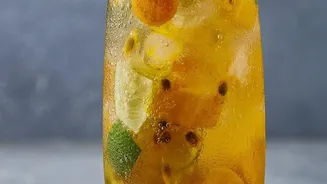
The next step is sourcing the fruit. For an artisanal blend, this isn't about artificial flavourings or syrups. It’s about capturing the authentic taste of real fruit. Tea makers carefully select seasonal and often local fruits like citrus, berries, mangoes, and peaches. The key is ripeness, which provides natural sweetness and depth of flavour without relying on added sugars. These fruits are then prepared for dehydration. The goal is to slowly remove the water content while concentrating the natural flavours and essential oils. This is often done through low-temperature drying, a meticulous process that prevents the fruit from cooking and preserves its vibrant taste and nutritional properties. The result is intensely flavourful, jewel-like pieces of dried fruit that are ready to be introduced to the tea.
The Art of the Balance
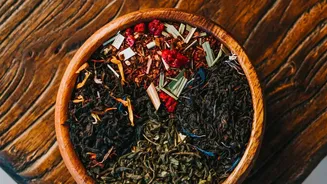
This is where true craftsmanship comes into play. Blending tea is an art form that requires a deep understanding of flavour profiles and balance. A tea master, often with years of experience, experiments with different ratios of tea leaves to fruit pieces. It’s a delicate dance: too much fruit and the tea’s character is lost; too little, and the blend becomes lacklustre. The artisan considers not just the taste but also the aroma and visual appeal of the final mix. They might add complementary herbs, spices, or flowers like hibiscus, rose petals, or lemongrass to create a more complex and layered experience. These small-batch blends are tweaked until the perfect harmony is achieved, ensuring each sip offers a consistent and delightful flavour profile.
Marrying the Flavours
Once the ideal ratio is determined, the Nilgiri tea leaves and dried fruit pieces are carefully mixed. But the process isn't over. Many artisans allow the blend to 'rest' for a period of time. This resting phase is crucial, as it allows the natural oils from the fruit and tea leaves to meld and infuse, creating a more cohesive and integrated flavour. It ensures that the fruity notes are not just a separate taste but have become part of the tea itself. The final product is a loose-leaf blend that is visually beautiful, wonderfully aromatic, and brews a cup of tea that is naturally sweet and bursting with authentic fruit flavour. This patient, hands-on approach is what separates a true artisanal product from a mass-produced one.