


Think Vertically: Use Your Walls
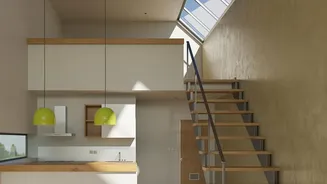
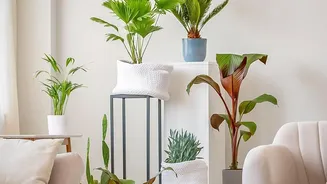
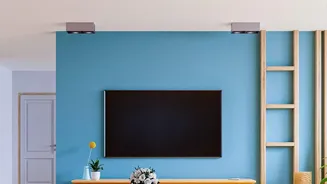
The single biggest mistake in a small room is ignoring the walls. When floor space is precious, the only way to go is up. Vertical storage draws the eye upward, creating an illusion of height and spaciousness. Install floating shelves above your sofa
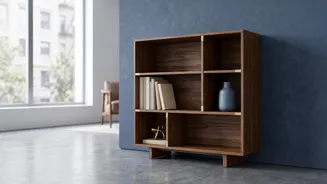
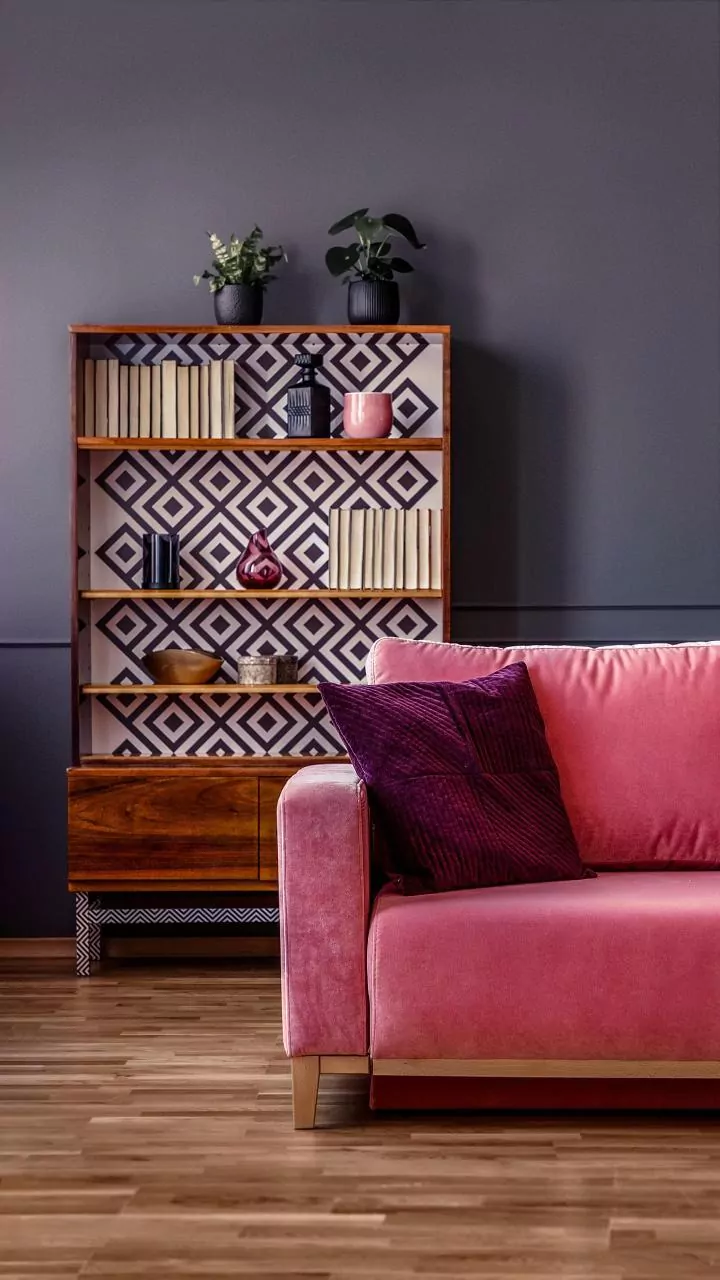
or TV to display books, plants, and decor without occupying any floor area. For a more substantial solution, a tall, slim bookcase offers maximum storage on a minimal footprint. These pieces not only provide a home for your belongings but also turn unused wall space into a functional and stylish feature.
Embrace Multifunctional Furniture
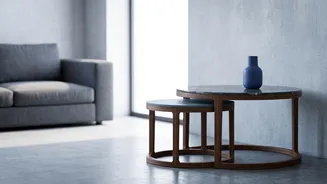
In a small living room, every piece of furniture should earn its keep. Opt for items that serve more than one purpose. A storage ottoman can act as a footrest, extra seating for guests, and a hidden spot for blankets, remotes, or magazines. Consider a coffee table that lifts to become a dining or work surface, or one with built-in drawers. Even your sofa can be a secret weapon; some designs come with storage built into the chaise or under the seats. This approach reduces the need for extra furniture, freeing up valuable space.
Start with Strategic Decluttering
Before you can organize, you must declutter. Clutter is the primary enemy of a small space, making it feel chaotic and even smaller than it is. The key is to be methodical. Instead of trying to tackle the whole room at once, focus on one category at a time, like books, electronics, or decor. Be ruthless in your decisions. A good rule of thumb is the 'one-year rule': if you haven't used an item in the last year, it might be time to donate, sell, or discard it. Clearing surfaces and giving every single item a designated 'home' is a powerful habit that prevents clutter from accumulating again.
Master the Art of Concealment
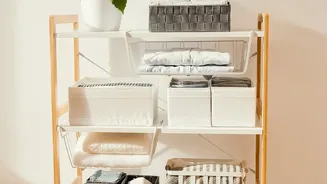
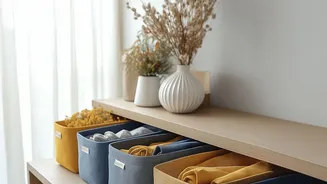
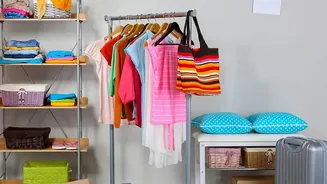
While open shelves are great for displaying your favourite things, sometimes you just need to hide the mess. This is where smart concealment comes in. A stylish buffet or a slim console table with doors can store everything from electronics and cables to board games, keeping them out of sight. Woven baskets are another excellent tool; they look decorative on shelves but are perfect for corralling loose items like chargers, toys, or extra cushions. The goal is to maintain a visually calm and tidy surface, which instantly makes a room feel more put-together and spacious.
Utilise Awkward and Forgotten Spaces
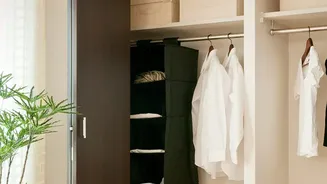
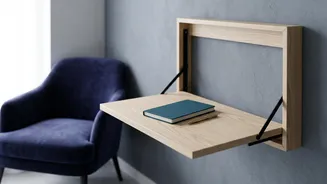
Every small living room has them: the awkward corner, the slim wall behind a door, or the space above the entryway. These are prime real estate for storage. A narrow corner bookshelf can transform a dead zone into a mini-library. The wall behind your sofa is another often-forgotten area perfect for a shallow picture ledge or slim console table. Look at your room with fresh eyes and identify these underutilised spots. Adding hooks behind the door or a small wall-mounted cabinet can provide that little bit of extra storage that makes all the difference.
Adopt a 'Less is More' Mindset
Ultimately, organising a small space is as much about mindset as it is about storage bins. Resist the urge to fill every empty space. Negative space, or empty areas, gives your eyes a place to rest and is crucial for making a room feel open and airy. When arranging your furniture, ensure there are clear, unobstructed pathways. Before buying anything new, whether it's a decorative item or a piece of furniture, ask yourself if you truly love it and, just as importantly, where it will live. Adopting this mindful approach helps you curate a space that is not only organized but also a true reflection of your style.