






The Inevitable Clash of Faith and Nature
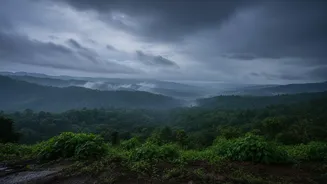
Pilgrimages like the Amarnath Yatra and Char Dham Yatra are profound expressions of devotion, but they traverse some of the world's most fragile and unpredictable terrain. During the monsoon season, these mountainous routes become highly susceptible to
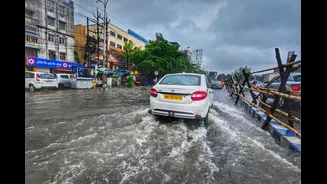
landslides, flash floods, and rockfalls. Recent events underscore this recurring danger. In late July 2026, both the Amarnath and Char Dham Yatras were temporarily suspended due to heavy rainfall that blocked highways and damaged trekking paths. The India Meteorological Department (IMD) issued orange and red alerts, warning of extremely heavy rain and potential flash floods, prompting authorities to halt the movement of thousands of pilgrims as a precautionary measure. These decisions, though disruptive, are not signs of failure; they are acknowledgements of a fundamental truth: in a contest between a schedule and a swelling river, the river always wins.
A Responsible Pause is Not a Defeat
The impulse to press on is understandable. Pilgrims, having planned their journeys for months, are filled with spiritual fervour. Local economies depend heavily on the seasonal influx of visitors. Yet, the argument that a pilgrimage must proceed at all costs is a dangerous fallacy. Authorities in Jammu and Kashmir and Uttarakhand have demonstrated prudence by repeatedly pausing yatras when faced with adverse weather. The Amarnath Yatra was suspended for six days from July 19, 2026, due to widespread rain and landslides that made routes impassable. Similarly, the Char Dham Yatra was halted for two days at the end of July due to blocked routes. These pauses are the correct protocol. They allow time for the weather to improve and for crucial repair work to be completed, such as on the Pahalgam route to Amarnath, which was temporarily closed for maintenance after rain damage. A successful pilgrimage should be measured by the safe return of its devotees, not by rigid adherence to a calendar.
The Pressure to Compromise Safety
Despite official caution, there is often an underlying pressure to find a middle ground—to perhaps allow smaller groups to proceed or to reopen a route before it is fully certified as safe. This is the “risky compromise” the headline warns against. The memory of past tragedies, such as the 2022 Amarnath flash flood that claimed lives, should serve as a permanent reminder of what is at stake. The decision to resume the Amarnath Yatra on July 25 was made only after weather improved and the Jammu-Srinagar National Highway was declared trafficable again. Even then, officials kept the damaged Pahalgam route closed for repairs while allowing pilgrims to proceed via the alternate Baltal route, demonstrating a tiered and cautious approach. This is the model to follow: assess, repair, and then permit, without succumbing to pressure for a premature start.
Building a Culture of 'Safety First'
Creating a true backup plan means more than just halting a yatra. It requires a comprehensive system that prioritizes pilgrim welfare from start to finish. This includes robust, real-time communication systems to keep stranded devotees informed and safe. During the recent suspensions, pilgrims were advised to remain at base camps and designated lodging centres until further notice. Technology can play a greater role through real-time weather alerts, drone monitoring of routes, and better GPS tracking to improve safety. Furthermore, infrastructure must be resilient. While agencies like the Border Roads Organisation (BRO) work tirelessly to clear debris and repair roads, the increasing frequency of extreme weather events calls for a long-term strategy of building stronger roads, better drainage, and more effective landslide protection.