




The Magic of a Master Gravy
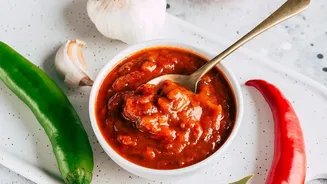
The foundation of countless North Indian dishes is a slow-cooked, aromatic paste known as 'bhuna masala' or onion-tomato masala. This base is where the deep, complex flavours of a good curry are born. By preparing a large batch of this gravy in advance,
you are essentially doing the most time-consuming part of Indian cooking all at once. This practice is common in restaurants, enabling them to serve a wide variety of curries quickly without compromising on taste. Investing an hour over the weekend can save you immense time on busy weeknights, making home-cooked Indian meals an easy and accessible option.
Gather Your Building Blocks
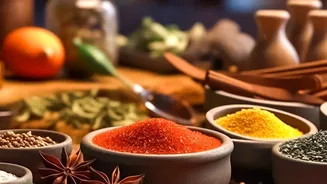
A great curry base relies on a few simple, high-quality ingredients that form a flavour trifecta: aromatic, sour, and spice. Onions are the sweet foundation, which are cooked down until golden brown. Ginger and garlic provide a pungent, warm heat that is essential to the profile. Tomatoes add the necessary tang and moisture, balancing the sweetness of the onions. For spices, the core essentials are turmeric, coriander powder, cumin powder, and a chilli powder like Kashmiri red chilli for colour without excessive heat. These pantry staples come together to create a sauce that is both deeply flavourful and incredibly versatile.
The Art of 'Bhuna': A Step-by-Step Guide
The process, known as 'bhuna', means to roast the ingredients until the oil begins to separate from the masala, an indicator of a well-cooked base. Start by heating a neutral oil in a heavy-bottomed pan. Add finely diced onions and sauté them patiently on a medium-low flame. This is the most crucial step and can take 15-20 minutes. Do not rush it; the goal is a deep golden brown, not just translucent. Next, add your ginger-garlic paste and cook for another few minutes until the raw smell disappears. Now, it's time for the powdered spices. Add your turmeric, cumin, coriander, and chilli powder and stir for about a minute to bloom their flavours. Finally, add pureed or finely chopped tomatoes and salt. Cook this mixture down, stirring frequently, until it thickens into a dark, rich paste and you see oil glistening on the sides.
Cooling, Storing, and Preserving Freshness
Proper storage is key to making your efforts last. Once the base is cooked, turn off the heat and allow it to cool down to room temperature completely. Storing it while still hot can create condensation, which introduces excess moisture and can affect the flavour and longevity. Once cooled, transfer the masala to a clean, airtight container. A glass container is often recommended as it doesn't stain or retain odours. This base can be safely stored in the refrigerator for up to three days, with some sources suggesting it can last even longer, up to a week. For longer storage, you can freeze the base for months. A popular method is to freeze it in ice cube trays for easy portioning.
Unlocking Your Weeknight Curries
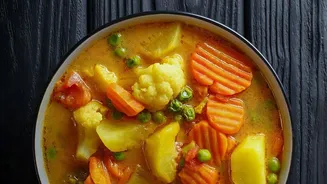
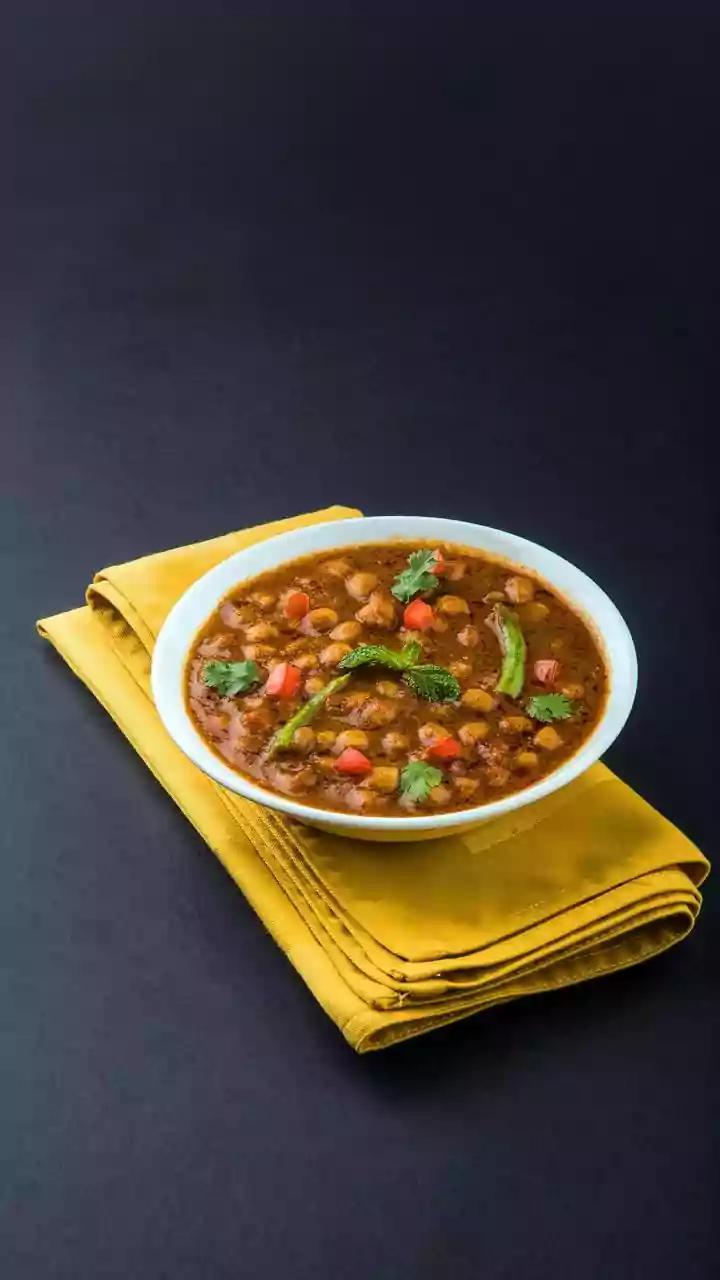
With your base ready in the fridge, making a curry is incredibly simple. For a quick chicken curry, simply brown your chicken, add a few spoonfuls of the base, a splash of water or stock, and simmer until the chicken is cooked through. For a vegetarian option like Chana Masala, heat the base, add a can of chickpeas, and let it simmer for 10-15 minutes. To make Paneer Butter Masala, you can add cream or cashew paste to the base along with paneer cubes. This one versatile sauce can be adapted to make dozens of different dishes, from lentil dals to vegetable skillet meals. You are always just minutes away from a delicious, homemade meal.