





The Unseen Factors of Food Safety
Every time you dine out, you enter an unspoken agreement with the restaurant, trusting that the meal placed before you is not only delicious but also safe. This trust is a cornerstone of the hospitality industry. While a sparkling dining area is reassuring,
it reveals little about the critical operations happening in the kitchen. From the moment raw ingredients arrive to the final plating, a chain of events must be perfectly managed. The most significant, and often invisible, part of this process is how food is stored. Improper storage is a leading cause of foodborne illnesses, turning a celebratory meal into a health crisis. It is this hidden world that food safety inspections aim to bring into the light.
The Critical Role of Clean Storage
Clean food storage is more than just having neat shelves. It is a science-based practice designed to prevent contamination and bacterial growth. The Food Safety and Standards Authority of India (FSSAI) has specific guidelines that form the basis of kitchen inspections. A primary rule is the strict separation of raw and cooked foods to prevent cross-contamination. Raw meat, poultry, and seafood must be stored below ready-to-eat items to ensure their juices do not drip onto other foods. Temperature control, known as the cold chain, is equally vital. Refrigerators must maintain temperatures below 5°C, while freezers should be at -18°C. Hot food must be held above 60°C. Any deviation from these temperatures can allow harmful bacteria to multiply rapidly. Proper labelling with dates ensures that the 'First In, First Out' (FIFO) principle is followed, preventing the use of expired ingredients.
What Inspectors Look For
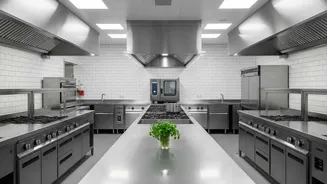
When a Food Safety Officer (FSO) conducts an inspection, they are essentially auditing the restaurant's commitment to these principles. Their checklist is extensive. They verify that the FSSAI license is valid and displayed. They check for systematic temperature logs for all refrigerators and freezers, ensuring the cold chain is documented and maintained. Inspectors look for evidence of pests and assess the overall cleanliness of the premises, including floors, walls, and exhaust hoods. They scrutinize food handler hygiene, ensuring staff wear clean uniforms, caps, and gloves, and have access to dedicated handwashing stations. A major red flag during inspections is the improper storage of raw and cooked items together, a common violation that poses a high risk to public health.
From Inspection to Trust
For consumers, food safety is often a 'credence quality trait' — something you must trust is being handled correctly without being able to see it for yourself. FSSAI inspections provide that layer of verification. A positive inspection report, and increasingly, public-facing hygiene rating schemes, serve as proof that a restaurant is taking its responsibility seriously. This transparency helps build and maintain consumer confidence. Conversely, a failed inspection, fines, or a temporary shutdown can shatter a restaurant's reputation overnight. The process of rebuilding that trust involves not just correcting the identified flaws but demonstrating a sustained commitment to hygiene. Many restaurants now conduct their own regular self-audits to ensure they are always inspection-ready, turning food safety from a reactive task into a core part of their daily culture.