






The Golden Rule: Avoid Cotton
Before we get into what you should pack, let's cover what you must leave at home: cotton. There's a saying among seasoned hikers: "cotton kills." While it sounds dramatic, it highlights a serious risk. Cotton is hydrophilic, meaning it loves water. It
absorbs moisture from rain and sweat and holds onto it, losing all insulating properties when wet. This can rapidly lower your body temperature, increasing the risk of hypothermia, even in cool, not cold, conditions. Wet cotton also becomes heavy and can cause painful chafing. Instead of your favorite cotton tee or jeans, opt for materials designed for the outdoors.
Mastering the Layering System
The key to comfort in changing weather is a solid layering system. This consists of three parts working together to manage moisture and regulate temperature. The base layer, which sits against your skin, should be made of a moisture-wicking material like merino wool or a synthetic fabric like polyester. Its job is to pull sweat away from your body. Next is the mid-layer, which provides insulation. A fleece jacket or a light puffy vest works well. Finally, the outer layer, or shell, is your protection from wind and rain. This system allows you to add or remove layers as your activity level or the weather changes.
Your Shield: Waterproof Outerwear
Your rain jacket and pants are your most important defense. Look for gear that is labeled "waterproof," not just "water-resistant." Waterproof garments will have sealed or taped seams to prevent water from seeping through the stitching. Breathability is also crucial. A good waterproof-breathable membrane allows sweat vapor to escape, so you don't get clammy and wet from the inside. Features like pit zips (zippers under the armpits) can also help you vent heat during strenuous climbs without taking your jacket off. Don't forget waterproof pants; they are essential for keeping your lower body dry and warm.
Happy Feet: Footwear and Socks
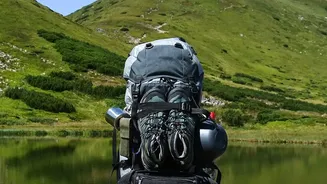
Slippery trails and constant dampness demand the right footwear. Waterproof hiking boots with good traction are non-negotiable for rainy conditions. They will keep your feet dry from puddles and wet grass while providing stability on slick rocks and mud. Just as important are your socks. As with your other clothing, avoid cotton socks at all costs, as they trap moisture and are a primary cause of blisters. Opt for socks made from merino wool or synthetic materials that wick moisture and provide cushioning. It's always a wise idea to pack an extra pair of dry socks to change into.
Keeping Your Gear Dry
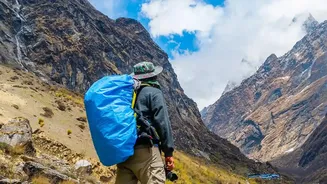
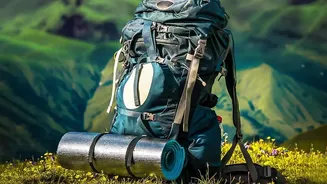
Most backpacks are not fully waterproof, especially in a steady downpour. Seams and zippers are common points for water to sneak in. To protect the gear inside your pack, use a pack rain cover. Many packs come with an integrated one, but they can also be purchased separately. For an extra layer of protection, particularly for sensitive items like your phone, extra clothes, and sleeping bag, use dry sacks or even simple plastic bags inside your backpack. This ensures you have a dry change of clothes and a safe place for your electronics.
Safety and Comfort Extras
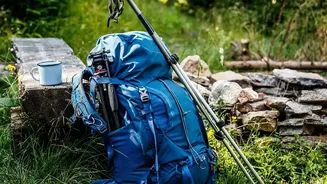
Rainy weather can make trails more challenging, so a few extra items can significantly improve your safety and comfort. Trekking poles are highly recommended to provide extra points of contact and improve stability on slippery terrain. A headlamp is essential, as heavy cloud cover can make it get dark earlier. Always carry a first-aid kit and know how to use it. Finally, a small thermos with a hot drink can be a huge morale booster during a break, and high-energy snacks will help you stay fueled and warm.