


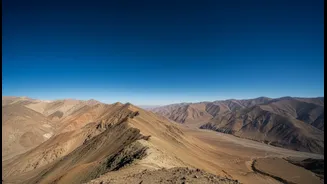
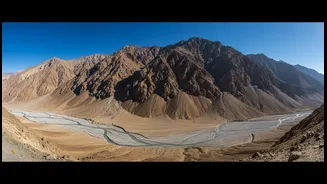


The Land of High Passes and Raw Beauty
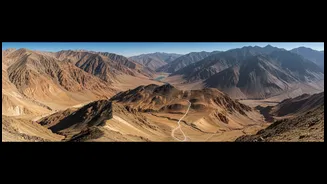
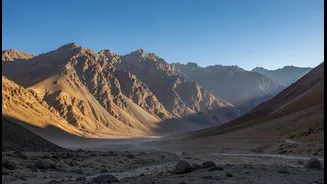
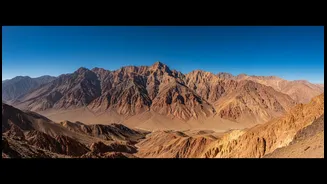
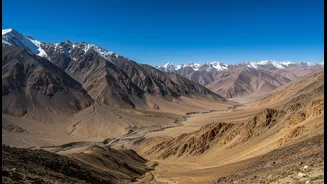
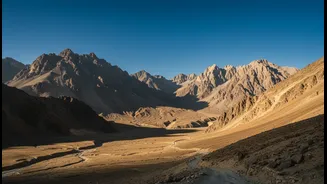
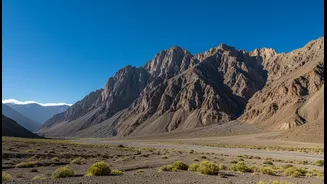
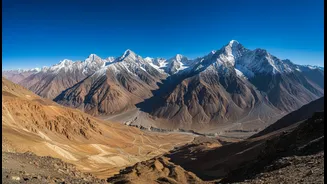
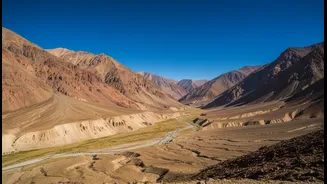
July is the magic month for the Indian Himalayas. As snow-clogged passes finally open, they reveal the stark, breathtaking landscapes of Ladakh and Spiti Valley. Lying in the rain-shadow of the Himalayas, these regions remain mostly dry while the rest
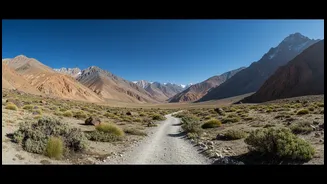
of the country experiences monsoons, making it the perfect window for an adventure. Daytime temperatures are pleasant, the skies are often a brilliant blue, and the entire ecosystem of guesthouses, cafes, and tour operators is fully operational. This unique combination has triggered a surge in visitors, from motorcyclists and trekkers to families seeking a different kind of summer holiday.
Ladakh: The Rooftop of the World
Ladakh, often called 'Little Tibet', is the more famous of the two destinations, and for good reason. Its accessibility via Leh's airport, coupled with two iconic overland routes—the Manali-Leh and Srinagar-Leh highways—makes it a magnet for travellers. By July, both highways are in full swing, offering a legendary road trip experience. Key attractions like the mesmerising Pangong Tso, the dunes of Nubra Valley (complete with double-humped camels), and the challenge of crossing Khardung La are all easily accessible. However, this popularity means the main tourist spots can be busy, with recent reports in July 2026 highlighting traffic jams near high passes and a shortage of accommodations. Travellers are advised to book in advance.
Spiti: A World Within a World
For those seeking a rawer, more untamed adventure, Spiti Valley is the answer. Often described as what Ladakh was 20 years ago, Spiti offers a more immersive and less commercial experience. The journey itself is a significant part of the adventure. The most reliable entry in July is via the Shimla-Kinnaur route, a longer but more gradual ascent that helps with acclimatization. The more challenging Manali-Kaza route, crossing the formidable Kunzum Pass, is also typically open, creating the possibility of a thrilling circuit. Spiti's highlights include the iconic Key Monastery clinging to a hillside, the serene Chandratal (Moon Lake), and some of the world's highest inhabited villages like Komic and Hikkim.
An Adventure for Every Traveller
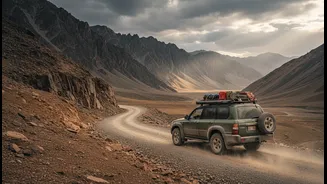
The perception of these regions as exclusively for hardcore bikers and trekkers is outdated. While they remain the core audience, Ladakh and Spiti now cater to a wider range of travellers. Improved road infrastructure and a growing number of comfortable homestays and guesthouses have made these destinations more accessible. Families can hire SUVs with experienced local drivers for a safer journey. Cultural tourists can spend weeks exploring ancient monasteries, and photographers will find endless inspiration in the dramatic landscapes and star-filled night skies. Activities like river rafting on the Zanskar or simply enjoying the peaceful village life are popular alternatives to strenuous treks.
Essential Tips for the High-Altitude Traveller
A trip to Ladakh or Spiti requires planning. The single most important factor is acclimatization to the high altitude. Experts recommend ascending slowly, staying well-hydrated, and avoiding overexertion for the first few days. A minimum of 7-9 days is recommended for a Spiti circuit to allow for proper adjustment. Key tips include: Go Slow: Plan an itinerary with gradual altitude gain. The 'climb high, sleep low' principle is crucial. Stay Hydrated: Drink 3-4 litres of water daily, but avoid over-hydrating. Carry Cash: ATMs are scarce and often unreliable outside of Leh and Kaza. Pack in Layers: The weather can change quickly. Pack warm clothes even for a July trip, as night temperatures can drop significantly. Book Ahead: With the July boom, especially in Ladakh, booking accommodations in advance is highly recommended. Be Flexible: Mountain roads are unpredictable. Landslides can cause delays, so always keep a buffer day or two in your schedule.