








Our Past Under Pressure
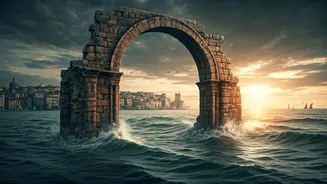
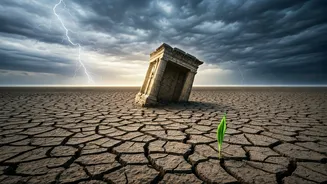
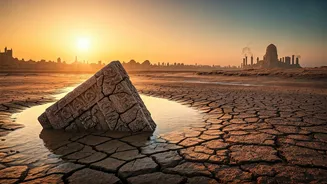
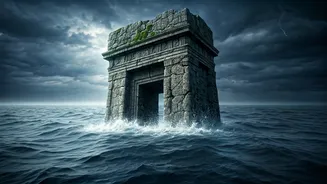
From the majestic ruins of ancient cities to breathtaking natural wonders, our shared heritage is facing an unprecedented threat. Recent studies reveal a stark reality: a vast majority of UNESCO World Heritage sites are already vulnerable to climate change.
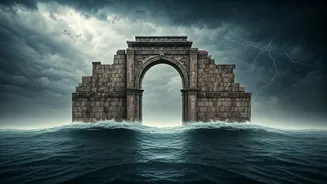
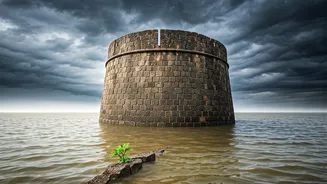
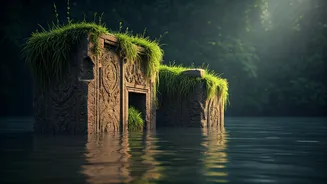
Rising sea levels threaten to engulf coastal treasures like the historic city of Venice and the iconic statues of Rapa Nui (Easter Island). Extreme heat and humidity cause stone to crack and wood to rot, damaging structures from China's ancient temples to European cathedrals. More frequent and intense weather events, such as flooding and wildfires, are no longer abstract risks but active dangers to sites that have stood for centuries. This isn't a distant problem; it's a quiet crisis unfolding right now, threatening to erase parts of our collective history.
A New Blueprint for Preservation
In response, heritage management is undergoing a critical evolution. The old model of simply repairing damage after it occurs is no longer sufficient. Today, 'climate-aware planning' is about proactive adaptation. This involves a shift in mindset and strategy, where site managers use climate vulnerability assessments to anticipate future threats. The solutions are varied and often complex. For some coastal sites, it might mean building sophisticated flood barriers. For others, it could involve 'managed retreat,' such as when the Cape Hatteras Lighthouse in North Carolina was moved inland to protect it from coastal erosion. In some cases, where physical preservation is becoming impossible, the focus is shifting to meticulous digital documentation, using technologies like virtual and augmented reality to preserve a site's memory for future generations.
Rethinking the Tourist Experience
This new era of preservation directly impacts how we experience these sites as travelers. The age of unrestricted access is giving way to more managed and thoughtful tourism. To protect fragile environments, authorities at sites like France’s Mont-Saint-Michel are implementing visitor limits, creating eco-friendly transport options, and restoring the surrounding ecosystem. At others, such as Machu Picchu, officials are wrestling with how to balance economic benefits with the wear and tear caused by over-tourism. Travelers may also encounter new educational components, with museums and sites integrating climate change into their narratives to raise awareness. These changes aren't meant to diminish the experience but to ensure these places survive. The goal is to foster a more sustainable model of tourism that contributes to, rather than detracts from, conservation efforts.
How Your Travels Can Make a Difference
The responsibility for protecting heritage doesn't rest solely with site managers; travelers play a crucial role. Adopting a climate-conscious mindset can have a significant positive impact. This starts with simple choices, like opting for lower-impact activities such as hiking or cultural tours that minimize environmental strain. It also involves respecting new rules and regulations, such as sticking to designated paths and adhering to visitor caps. Supporting local communities by choosing eco-friendly lodging, buying from local artisans, and paying conservation fees helps fund preservation projects directly. Some destinations are even experimenting with eco-taxes to generate revenue specifically for conservation. Ultimately, the most powerful tool is awareness—understanding the threats these sites face and making conscious decisions to be part of the solution.