




Understanding the Price Hikes
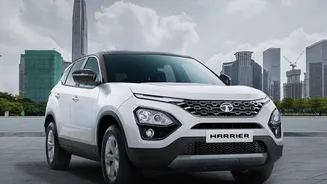
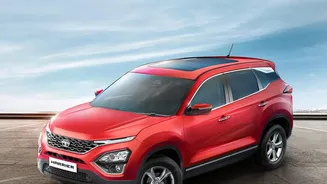
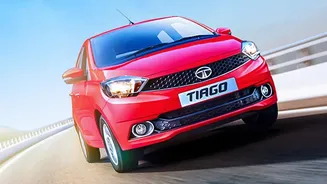
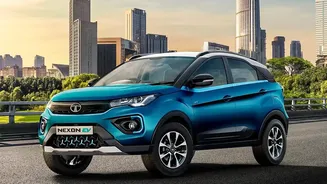
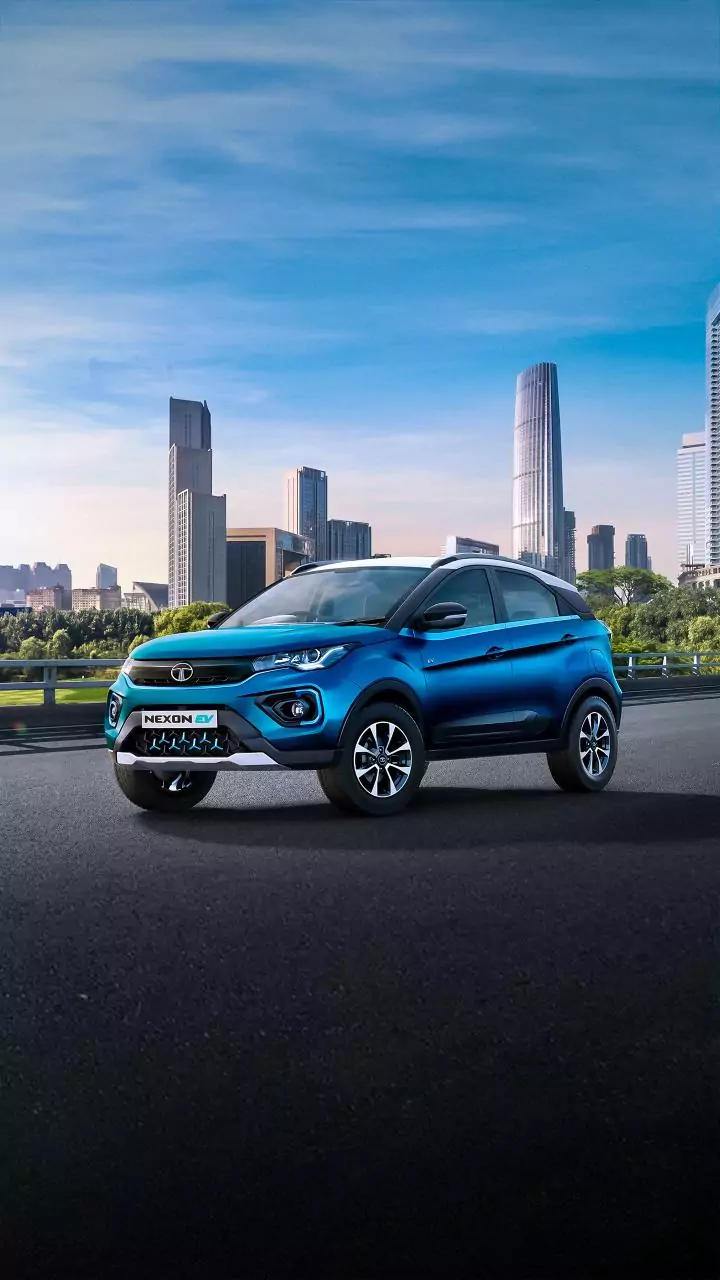
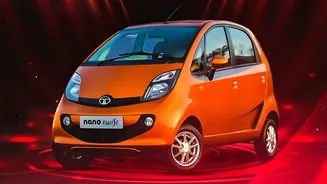
Major automakers in India are increasing prices from September 2026, creating a tougher market for prospective buyers. Hyundai has announced a price revision of up to 1% across its models, its third increase of the year. Similarly, Tata Motors is raising
prices on its passenger vehicles, including EVs, by up to ₹25,000. This follows a recent hike by Maruti Suzuki in August. Manufacturers universally cite the same pressures: rising input and commodity costs, higher operational expenses, and persistent inflation. These factors have been pushing car prices steadily upward for the past few years, and the trend is set to continue. For buyers, this means the car you were eyeing last month might carry a higher sticker price next month.
Secure Your Financing First
Before you even step into a showroom, get your financing in order. Securing a pre-approved loan from your own bank or a trusted lender gives you a firm budget and a powerful negotiating tool. Dealerships often focus on the monthly payment (EMI) to obscure the car's total cost. When you arrive with your own financing, you can negotiate the 'on-road' price of the car, not the loan terms. This is crucial in a market with fluctuating interest rates. As of mid-2026, new car loan rates from major banks typically range from around 8.5% to over 10%, depending heavily on your credit score. Knowing your approved rate prevents you from being pushed into a less favorable dealer-arranged loan, which can have higher interest and hidden commissions.
Be Flexible and Expand Your Options
In a seller's market, being fixated on a single model, variant, or even color can limit your bargaining power. Dealerships have less incentive to discount a high-demand vehicle. By being flexible, you open the door to better opportunities. Consider a wider range of brands or similar models from different manufacturers. Sometimes, a slightly different trim level offers better value or has more room for negotiation. If the exact car you want has a long waiting period, ask the dealer about similar vehicles that are readily available in their inventory. A car that a dealer needs to move is often a car they are more willing to discount.
Target Last Year's Models
September is a transitional period for the auto industry. As showrooms make space for the new 2027 model year vehicles, they become highly motivated to clear out the remaining 2026 stock. These outgoing models are brand new but may be offered with significant discounts, dealer incentives, or special financing offers. While they might lack the latest minor feature updates, the underlying car is often identical to the newer version and can represent substantial savings. Don't hesitate to ask salespeople specifically about leftover 2026 models. You might find a great deal on a car that is, for all practical purposes, the same as the one rolling in with a higher price tag.
Master the Art of Negotiation
Negotiation is expected in the Indian car market, and being prepared can save you thousands. Start by researching the 'invoice price' (what the dealer paid) versus the 'MSRP' or ex-showroom price to understand the potential profit margin. When negotiating, always focus on the final on-road price, which includes insurance, registration, and other fees. Dealers often have negotiating room on insurance premiums and handling charges. Get quotes from at least two or three different dealerships for the same car; this creates competition and gives you leverage. Be polite but firm, and don't be afraid to walk away if the deal isn't right. Often, your willingness to leave is the most powerful tool you have to get a better offer.