



A Tradition of Nourishment
Badam Milk, or 'Badam Doodh', is more than just a delicious beverage; it is a cultural touchstone in India, often served during festivals, weddings, and celebrations. Rooted in Ayurvedic tradition, this drink is considered a tonic, believed to sharpen
the intellect, strengthen the body, and provide lasting energy. Historically, it was a drink of hospitality, offered in royal courts as a sign of generosity and to family members as an act of love. Whether served steaming hot on a cool winter evening or chilled as a summer refresher, it’s a versatile drink that embodies comfort and care. Its role during festivals is particularly important, providing a wholesome energy source to keep stamina levels high through long days of rituals, socialising, and celebration.
The Power of Key Ingredients
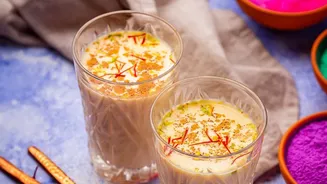
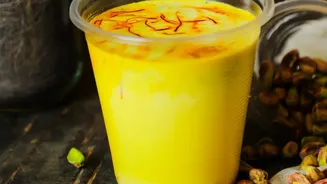
The magic of Badam Milk lies in its simple yet potent combination of ingredients, each contributing to its flavour and health benefits. Almonds, the star of the show, are packed with protein, healthy fats, and Vitamin E. In Ayurveda, they are revered for nourishing the mind and body. Saffron, which gives the milk its beautiful golden hue and floral aroma, is prized for its mood-lifting properties and antioxidants. Cleopatra was even said to have used it in her baths. Finally, cardamom adds a warm, fragrant spice that not only enhances the taste but also aids in digestion. Together, this trio creates a synergistic blend that tastes incredible while actively supporting your well-being.
Crafting the Authentic Almond Paste
The secret to a truly creamy and authentic Badam Milk, free from any grittiness, is in the preparation of the almond paste. Commercial almond flours can work in a pinch, but starting with whole raw almonds yields the best flavour and texture. The traditional method involves soaking the almonds, which makes them easier to peel and blend. To begin, place about 20-25 almonds in a bowl and cover them with hot water for at least 30 minutes, though soaking for a few hours or overnight is also common. After soaking, the skins should slip off easily when you pinch them. This step is crucial because the skins don't break down completely and can result in a grainy texture. Once peeled, place the almonds in a blender with a few tablespoons of milk and grind them into a very smooth paste.
The Recipe: Step by Step
With your almond paste ready, making the final drink is a simple and rewarding process. This recipe serves two. Ingredients: - 20-25 almonds, soaked and peeled - 500 ml (about 2 cups) full-fat milk - 2-3 tablespoons of sugar, or to taste - Seeds from 2-3 green cardamom pods, freshly crushed - A generous pinch of saffron strands Instructions: 1. Prepare the almond paste as described above. 2. In a small bowl, soak the saffron strands in two tablespoons of warm milk to allow the colour and flavour to bloom. 3. In a heavy-bottomed pan, bring the remaining milk to a gentle boil over medium heat. 4. Once the milk is simmering, add the almond paste, sugar, and crushed cardamom seeds. Stir continuously to ensure the paste dissolves completely and doesn't stick to the bottom. 5. Let the milk simmer for another 5-10 minutes, allowing it to thicken slightly and for the flavours to infuse. 6. Add the saffron-infused milk to the pan, stir well, and cook for another minute. 7. Pour into glasses and serve immediately for a warming treat, or let it cool completely and refrigerate to enjoy as a chilled, refreshing drink.
Tips for the Perfect Blend
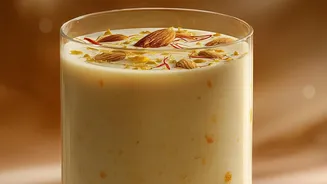
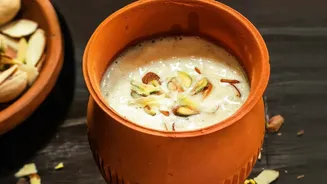
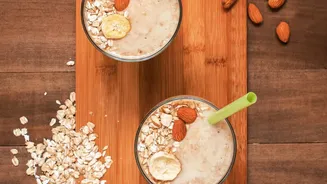
To elevate your Badam Milk, a few extra touches can make all the difference. For garnish, sprinkle slivered almonds and pistachios over the top before serving for added texture and visual appeal. You can adjust the consistency to your liking; for a thicker, richer drink, simply simmer the milk for a little longer to reduce it further. While full-fat cow's milk is traditional, you can substitute it with other milks like oat milk for a different profile, though the classic creaminess comes from dairy. The sweetness is also customisable, with options like jaggery or date paste offering a different flavour dimension compared to regular sugar. For an even richer body, some traditional recipes include a teaspoon of soaked poppy seeds (khus khus) blended into the almond paste.