


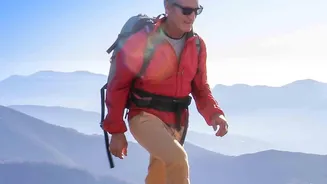


The Rhythm of the Trail
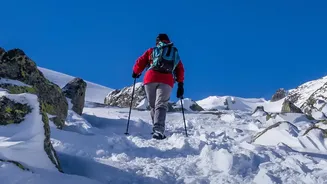
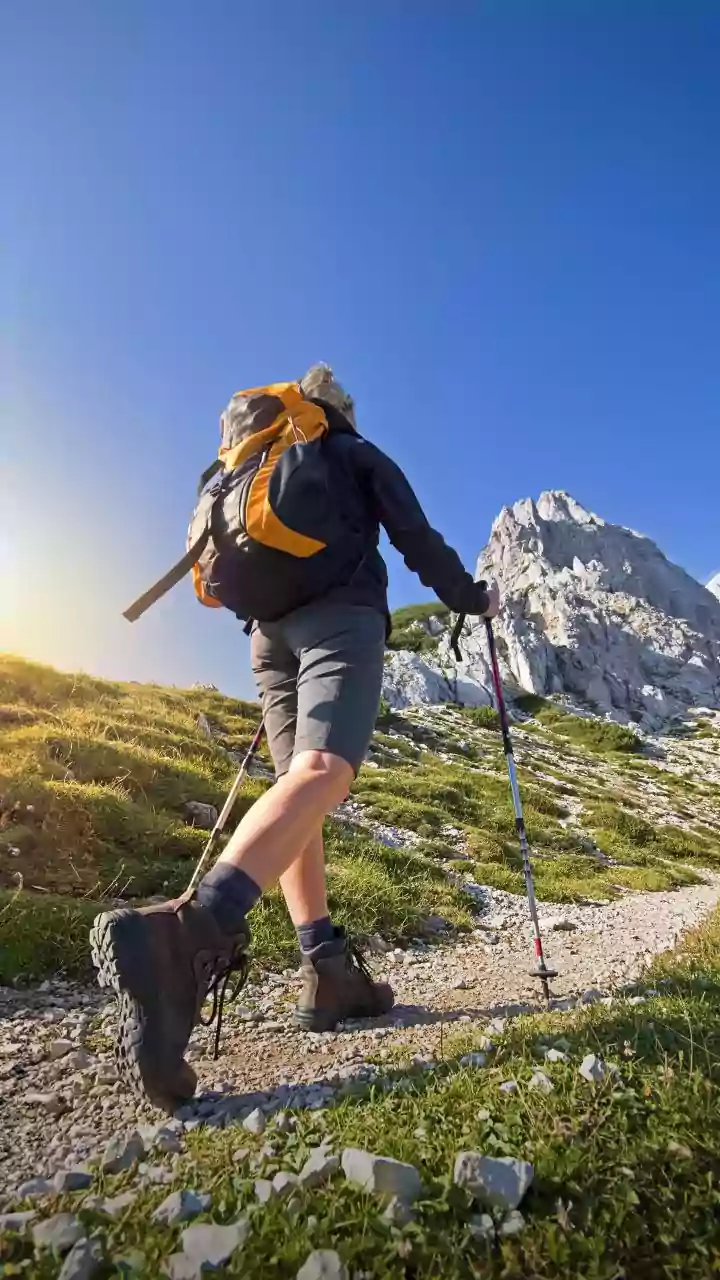
Hiking is an exercise in endurance and repetition. It’s defined by steady, consistent footwork over varied, natural terrain. This form of movement is primarily a steady-state cardiovascular activity, where you maintain a moderate intensity over a long
period. The physical demands focus on the large muscles of the lower body: quadriceps, hamstrings, glutes, and calves do the heavy lifting, propelling you up inclines and controlling your descent. Your core muscles are constantly engaged to maintain stability on uneven ground, which helps improve your overall balance and proprioception—your body's awareness of its position in space. The benefits extend beyond muscle building; this type of sustained activity is excellent for heart health, helping to lower blood pressure and reduce the risk of cardiovascular disease.
The Flow of the Concrete
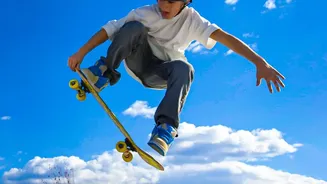
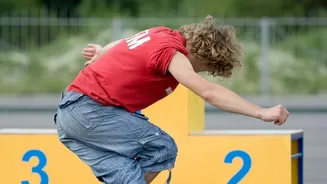
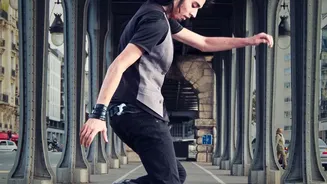
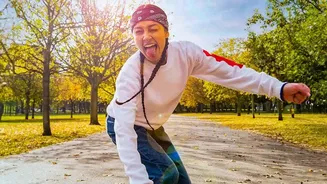
Skateboarding is the antithesis of steady rhythm; it is a discipline of dynamic, explosive, and reactive movement. Instead of sustained effort, it involves short bursts of high-intensity action, much like interval training. Pushing off, performing a trick, and quickly adjusting your footing requires rapid energy expenditure. Skateboarding is a full-body workout that heavily relies on a strong core for balance and control. The legs are crucial for pushing and absorbing impact, but the constant need to maintain balance on a moving board engages smaller stabilising muscles in the ankles and hips. This develops an acute sense of proprioception, as the rider must make split-second adjustments to shifts in weight and surface. It's a constant conversation between the body, the board, and the environment.
Steady State vs. Dynamic Reaction
The core difference lies in how these activities challenge the body. Hiking builds endurance through prolonged, moderate effort. Your heart rate remains relatively stable, and the primary adaptation is improved cardiovascular efficiency and muscular stamina. Skateboarding, in contrast, trains the body for quick, powerful movements. The biomechanics are completely different from walking; studies show that skateboarding involves greater trunk flexion and increased muscle activity in the supporting leg's knee extensors compared to walking at the same speed. It builds fast-twitch muscle fibres and sharpens reflexes, as falling is an ever-present possibility that the body learns to anticipate and react to. One activity prepares you for a marathon, the other for a sprint.
Two Paths to a 'Flow State'
Both activities are also profoundly mental, offering distinct routes to achieving a 'flow state'—that feeling of being completely absorbed in the moment. For hikers, this often comes from the meditative rhythm of walking and the immersive experience of being in nature. The steady pace can quiet the mind and reduce stress and anxiety. For skateboarders, flow is found in intense concentration. Landing a trick or navigating a complex urban space requires such a high degree of focus that there is no room for outside thoughts. Time seems to slow down, and movement becomes instinctive. It is an active, high-stakes form of mindfulness, where the complete focus on the task at hand pushes away all other distractions and anxieties.
Which Movement Is for You?
Choosing between hiking and skateboarding is less about which is 'better' and more about what kind of physical and mental experience you seek. If your goal is to build cardiovascular endurance, strengthen your legs with repetitive motion, and find a meditative escape in nature, hiking is an unparalleled choice. It is accessible and can be scaled to any fitness level. If you crave a challenge that tests your balance, reflexes, and creativity, and you enjoy the thrill of mastering a complex skill through dynamic, powerful movements, then skateboarding offers a unique full-body workout and a deep sense of accomplishment. One is about the journey over distance; the other is about mastering movement in the moment.