
The Strain of Studying
The pressure of important exams often means teenagers spend countless hours sitting, reading, and writing. This prolonged period of inactivity, often in a slouched posture, puts immense strain on the neck, shoulders, and back. This can lead to what's
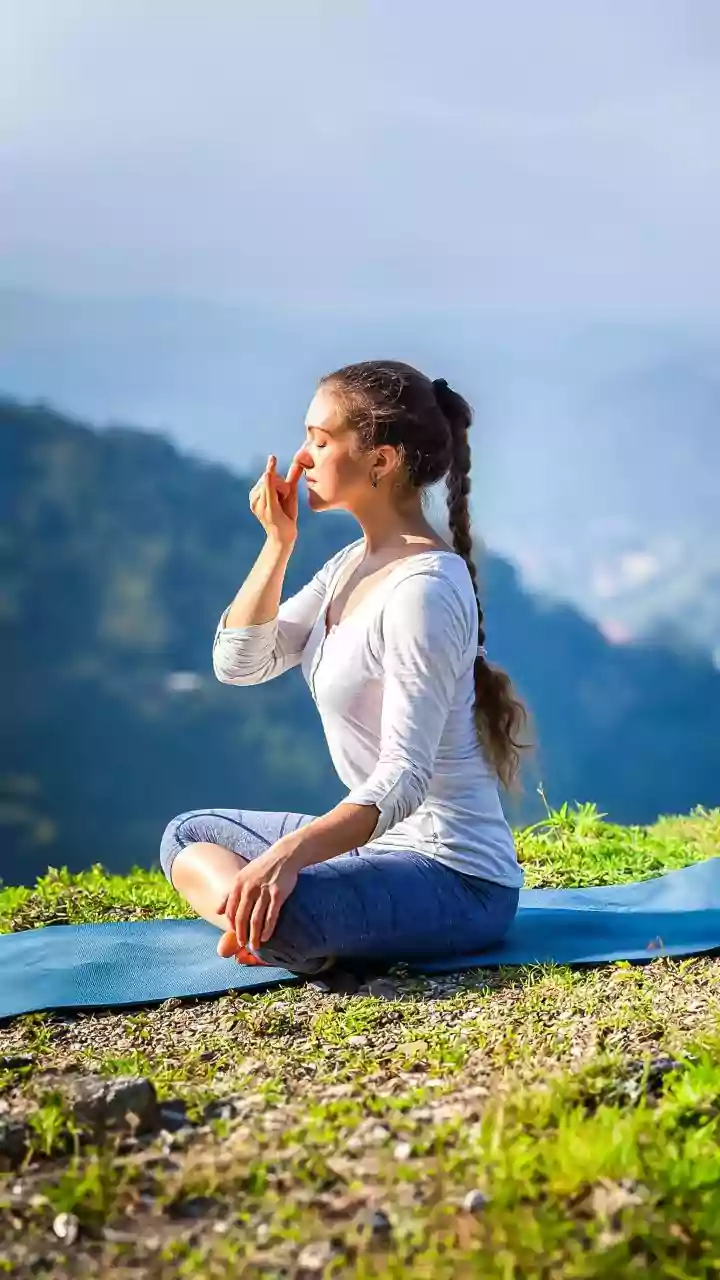
known as 'text neck' or general postural pain, characterized by stiffness, aches, and tension headaches. Taking short, active breaks to stretch can counteract these effects, improving blood circulation and releasing muscle tightness. Yoga is particularly effective because it combines physical movement with mindful breathing, which helps calm the nervous system and reduce overall stress levels.
Gentle Neck Tilts and Rolls
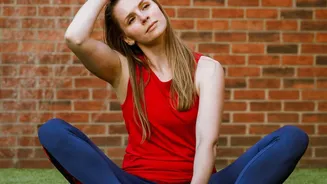
This is one of the simplest and most effective ways to release neck tension, and it can be done while sitting at a desk. Sit up tall, creating a long line from your tailbone to the crown of your head. Gently drop your chin towards your chest and hold for 15-30 seconds, feeling a stretch down the back of your neck. Return to a neutral position, and then slowly tilt your right ear towards your right shoulder, being careful not to raise the shoulder to meet the ear. Hold for a few deep breaths, then repeat on the left side. Finish by performing slow, gentle head turns, looking over your right shoulder, then your left, to improve mobility.
Cat-Cow Stretch (Marjaryasana-Bitilasana)
A classic yoga sequence, Cat-Cow is excellent for warming up the spine and relieving back tension. Start on your hands and knees in a 'tabletop' position, with your wrists directly under your shoulders and your knees under your hips. As you inhale (Cow Pose), drop your belly towards the floor, lift your chest and tailbone, and look slightly forward, creating an arch in your back. As you exhale (Cat Pose), round your spine towards the ceiling, tuck your chin to your chest, and press the floor away with your hands. Flow between these two poses for 5-10 breath cycles, matching your movement to your breath.
Seated Spinal Twist
A gentle twist can help relieve stiffness along the entire spine. This can be done on the floor or even in a study chair. Sit tall with your feet flat on the floor. As you exhale, gently twist your torso to the right, placing your left hand on the outside of your right knee and your right hand on the chair behind you for support. Use your inhale to lengthen your spine, and your exhale to gently deepen the twist, being careful not to force anything. Hold for 3-5 breaths, then slowly release and repeat on the other side. This pose energizes the spine and can help with overall stiffness.
Child's Pose (Balasana)
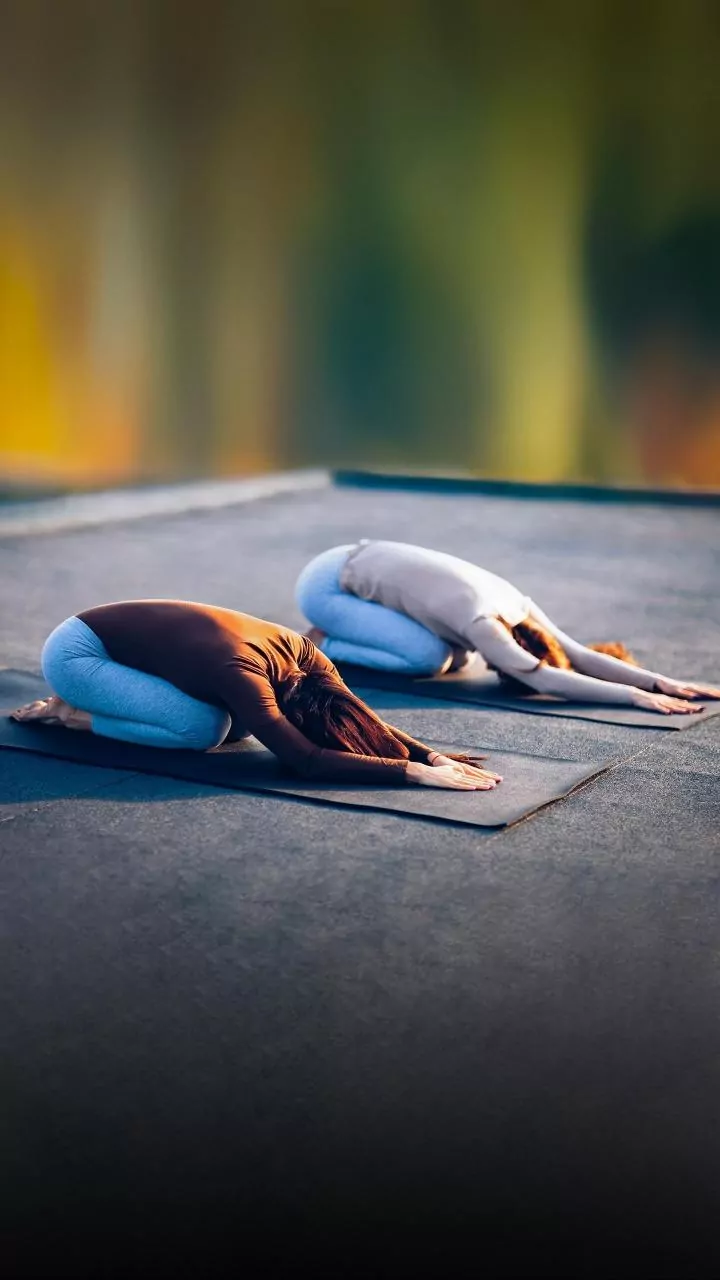
Child's Pose is a deeply restorative posture that provides a gentle stretch for the entire back, hips, and shoulders. Start on your hands and knees. Bring your big toes to touch and spread your knees as wide as is comfortable. Sit your hips back towards your heels and fold your torso forward, resting it between or on top of your thighs. You can stretch your arms out long in front of you or rest them alongside your body with palms facing up. Let your forehead rest on the mat. Breathe deeply into your back, holding the pose for at least 30 seconds to a minute.
Bridge Pose (Setu Bandhasana)
Bridge Pose helps to stretch the front of the body while strengthening the back, which is crucial for improving posture after long hours of sitting. Lie on your back with your knees bent and your feet flat on the floor, about hip-width apart. Your arms should be alongside your body with your palms down. Press into your feet and lift your hips off the floor. Keep your thighs parallel. For support, you can interlace your fingers on the floor beneath your pelvis. Hold the pose for up to a minute, breathing steadily, then slowly roll your spine back down to the floor.