







What Exactly Is Ambali?
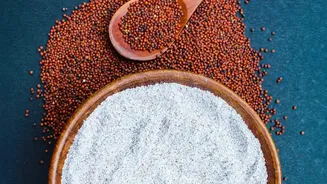
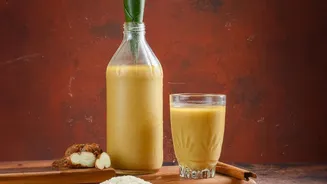
Ambali is a traditional beverage cherished in Southern India, particularly in states like Karnataka, Andhra Pradesh, and Telangana. It is a fermented porridge-like drink, most commonly made from ragi, also known as finger millet. The process typically
involves making a slurry of ragi flour, cooking it into a thin porridge, and then allowing it to ferment, often overnight. This fermentation process is key, as it develops a slightly sour, tangy flavour and imbues the drink with beneficial properties. The final drink is typically savoury, often mixed with buttermilk, salt, and sometimes flavoured with ingredients like chopped onions, curry leaves, ginger, and green chillies. Its consistency is smooth and slightly thick, with an earthy flavour from the millet, making it both a hydrating drink and a light, nourishing meal.
The 'Clean' Factor: Natural and Nutritious
The term 'clean' perfectly describes Ambali. Unlike modern sodas loaded with high-fructose corn syrup, artificial colours, and preservatives, Ambali’s ingredient list is simple and wholesome. Its primary component, ragi, is a nutritional powerhouse. It is naturally gluten-free and packed with calcium, iron, and dietary fibre. The fermentation process is where the magic happens. It creates probiotics, which are beneficial bacteria that support gut health, aid digestion, and boost immunity. Fermentation also breaks down phytic acid, an anti-nutrient found in grains, which in turn increases the body's ability to absorb minerals like calcium and iron. With a low glycemic index, Ragi Ambali provides sustained energy without the sharp sugar spikes and crashes associated with sugary drinks.
The Soda Showdown: A Stark Contrast
When placed side-by-side, the comparison between Ambali and a typical carbonated soda is stark. A single glass of Ambali contains around 80-100 calories and is rich in essential nutrients. It offers significant amounts of calcium for bone health, fibre for digestive regularity, and iron. Moreover, its probiotic content actively contributes to a healthy gut microbiome. In contrast, a standard can of soda contains a similar number of calories, but they are 'empty calories' derived almost entirely from processed sugar. It offers no vitamins, no minerals, no fibre, and no protein. Instead, it contributes to health risks like weight gain, type 2 diabetes, and poor dental health. While a soda provides a momentary sugar rush, Ambali delivers lasting energy and genuine hydration, thanks to its high water content and electrolyte profile from ingredients like buttermilk.
More Than a Drink: A Sip of Culture and Wellness
Choosing Ambali over a mass-produced soda is about more than just nutrition; it's a nod to cultural heritage and sustainable living. For generations, Ambali has been a staple for farmers and labourers in South India, valued for its ability to cool the body, provide energy for physical work, and keep them hydrated during scorching summers. According to Ayurveda, ragi is considered a cooling food, making Ambali an ideal drink to beat the heat. By embracing traditional beverages like Ambali, we not only nourish our bodies but also support the cultivation of indigenous grains like millets, which are often more resilient and require fewer resources than other crops. It represents a return to a way of eating that is in harmony with both our bodies and the environment.