








Start with Outside Drains
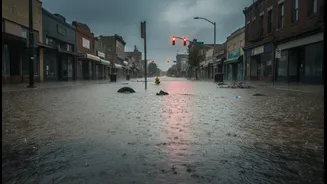
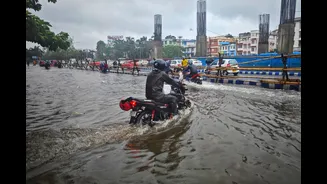
Your first line of defence is not your front door, but the drains outside your building. During heavy rain, clogged drains are a primary cause of localised flooding that affects ground-floor homes. Before the monsoon truly sets in, take a walk around
your property. Clear any leaves, mud, or rubbish from the grates of balcony drains, society storm drains, and any other outlets. A simple cleaning can dramatically improve how quickly water drains away from your home. If you notice larger, shared drains are blocked, flag it with your building’s maintenance team or residents' association immediately. Preventing a problem is far easier than dealing with a flood.
The Danger of Uncovered Manholes
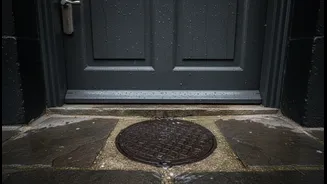
While you inspect drains, pay close attention to manhole covers in your vicinity. Open or missing manhole covers become invisible and deadly traps when streets are waterlogged. These hazards can cause serious injury or even death to unsuspecting pedestrians. In many Indian cities, manhole covers are stolen or are sometimes opened by citizens hoping to speed up water drainage, creating a perilous situation. While it's the municipality's job to ensure covers are secure, it is every citizen's responsibility to report any open manholes to local authorities to prevent a tragedy.
Fortify Your Doors
Doors are the most common entry point for floodwater into a ground-floor flat. Even a small gap at the bottom can let in a surprising amount of water during a downpour. Start by inspecting the threshold seal at the bottom of all your exterior doors. If it’s worn out, replacing it is a quick and highly effective fix. For doors that are particularly vulnerable, consider installing temporary flood barriers, which create a watertight seal. Even placing sandbags at low-entry points can significantly reduce the amount of water that gets in during an emergency. If your wooden doors tend to swell and jam in the humidity, chip off the swollen sections and consider applying a wood sealant to reduce moisture absorption.
Don't Forget Windows and Walls
While doors are a focus, don't neglect other potential weak points. Inspect the seals around your window frames and use waterproof sealants or caulk to fill any cracks. Look for hairline cracks on the exterior walls of your building, especially around window frames and AC sleeves, as these are common pathways for seepage. Applying a coat of waterproof paint on exterior walls can also add a crucial layer of protection. Any sign of bubbling or peeling paint on an interior wall is a red flag for moisture getting in from the outside and should be addressed before the rains intensify.
Inside Job: Electricals and Furniture
Monsoon preparedness extends indoors. The combination of water and electricity is extremely dangerous. Before the season, have an electrician check that your home has a functioning Earth Leakage Circuit Breaker (ELCB) and that all external electrical fittings are properly sealed. Never touch electrical switches or appliances with wet hands. In areas prone to waterlogging, move expensive electronics, important documents, and other valuables to higher shelves. It's also wise to move wooden furniture a few inches away from walls that are prone to dampness to allow air to circulate and prevent mould growth.