



A Landmark Return
For decades, the entire wild population of Asiatic lions was confined to a single area: Gir National Park and its surrounding landscape. This concentration made the species dangerously vulnerable to extinction from disease or natural disasters. Conservationists
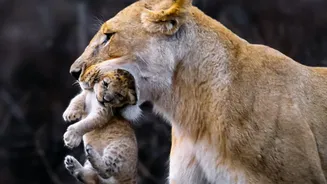
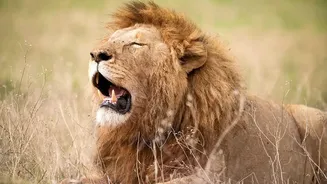
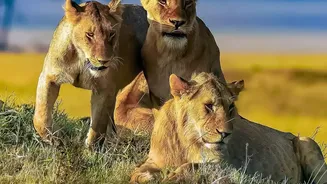
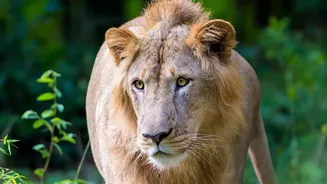
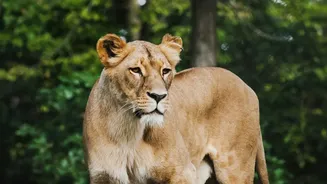
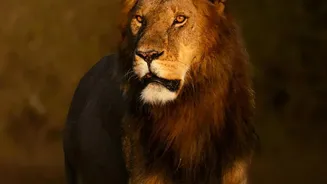
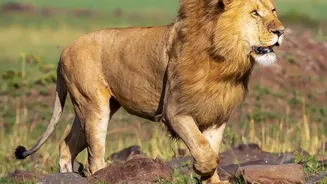
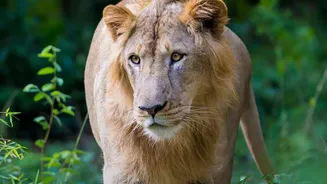
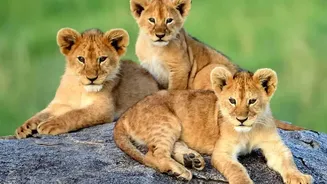
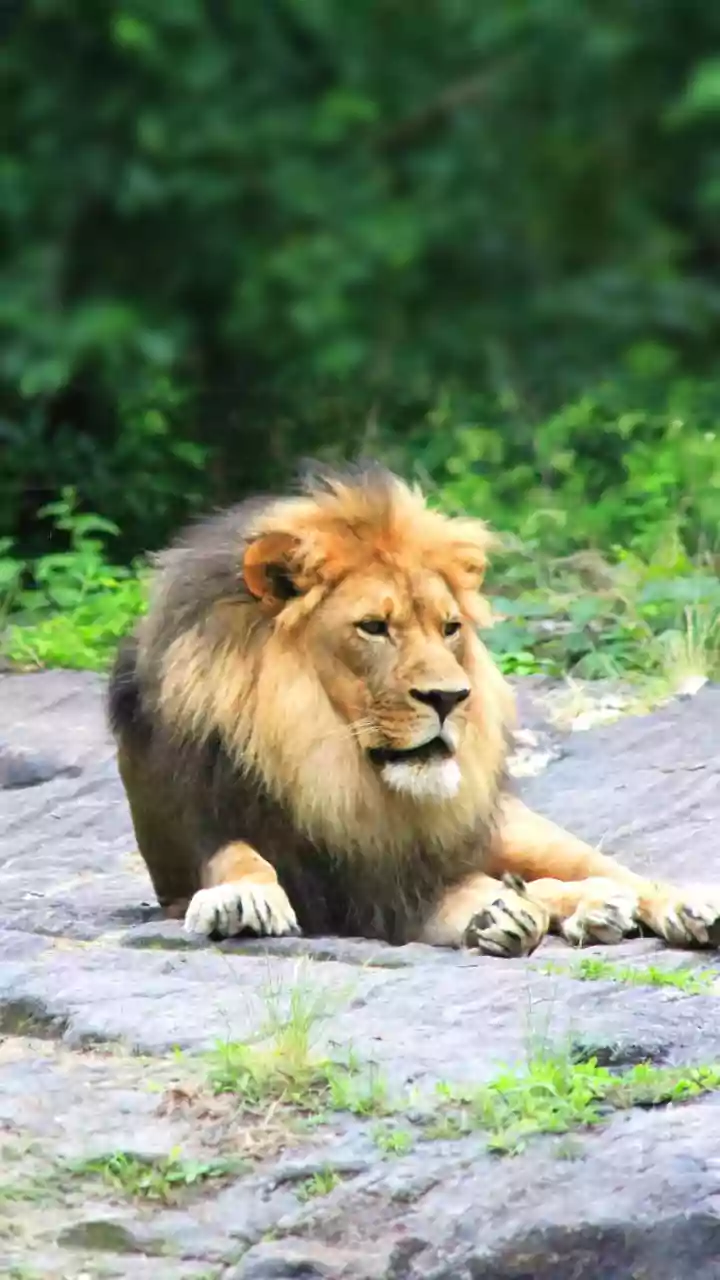
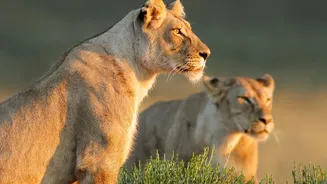
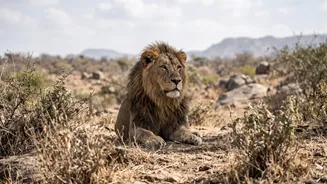
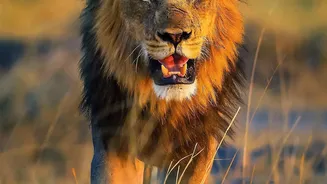
warned for years that a single epidemic, like the canine distemper virus that killed dozens of lions in 2018, could be catastrophic. The answer was 'Project Lion', a government initiative to establish a second, independent population. Barda Wildlife Sanctuary, located about 100 kilometres from Gir, was identified as the ideal location. The project became a reality in January 2023, when a lone male lion naturally migrated from Gir to Barda, followed by the strategic translocation of five females. As of 2025, a small but growing pride of 17 lions, including 11 cubs, calls Barda home.
Success Creates New Challenges
Establishing a new population is a triumph, but it is not a final victory. The lions of Barda face a new and complex set of threats that are different from those in the established Gir ecosystem. The success of this reintroduction now hinges on proactive, or 'active', protection to ensure their long-term survival. These challenges range from ensuring a stable food source to managing the inevitable interactions between a growing predator population and the humans living on the sanctuary's periphery. Simply moving the lions is not enough; creating a truly sustainable habitat requires constant management and vigilance.
The Threat of Human-Wildlife Conflict
The single greatest challenge at Barda is managing the boundary between wildlife and human settlements. Early surveys of the 192-square-kilometre sanctuary revealed a low natural prey base. Without enough wild animals like deer and boar to hunt, lions are more likely to prey on livestock from surrounding villages, leading to conflict with local pastoral communities, known as Maldharis. A recent scientific study found that while wild pigs made up 55% of the lions' diet in Barda, domestic cattle still accounted for 17%. To mitigate this, authorities have begun extensive 'prey augmentation' programs, translocating hundreds of spotted deer from Gir to Barda to build a more robust food source for the lions. The government has also announced a financial package to support the voluntary relocation of Maldhari families from within the sanctuary, aiming to create a larger, undisturbed space for wildlife while providing residents with better access to services.
What 'Active Protection' Looks Like
Active protection is a multi-faceted strategy that goes beyond just guarding against poachers. A key component is intensive scientific monitoring. At least six of the Barda lions have been fitted with radio collars, allowing researchers to track their movements, understand their habitat preferences, and monitor their social dynamics in near real-time. This data is crucial for anticipating and managing potential conflict zones. An eight-person team of full-time lion trackers is deployed on the ground to monitor the animals' health and movements. Active protection also involves habitat improvement to support a larger prey base and strengthening rapid-response systems to quickly and safely manage any lions that stray too close to human areas. It is a hands-on, data-driven approach designed to foster coexistence.
The Road Ahead
The establishment of the Barda lion population is a powerful symbol of India's commitment to wildlife conservation. It serves as an essential insurance policy against the extinction of the Asiatic lion. However, the long-term success of this second home is not guaranteed. It requires sustained investment, community cooperation, and a dynamic management strategy that can adapt to new challenges as the lion population grows. Protecting this nascent pride means safeguarding not just the animals themselves, but also the delicate balance of the entire ecosystem they now inhabit. The story of the Barda lions is a reminder that conservation is an ongoing process, where every success brings with it a new set of responsibilities.