



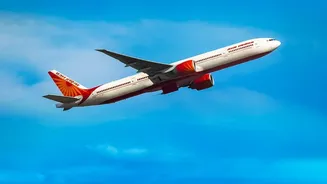

Despite a surge in air travel, Air India's journey to profitability remains turbulent. The airline posted an estimated loss of around ₹10,500 crore for the first half of fiscal year 2027, signalling the immense pressures of its transformation.
A Look at the Numbers
In the first
six months of the 2026-27 financial year, ending September 30, 2026, Air India is estimated to have accumulated a loss of approximately ₹10,500 crore. This figure, extrapolated from financial disclosures by Singapore Airlines which holds a 25.1% stake in the carrier, represents a significant financial challenge. However, it also marks a 16% improvement from the estimated ₹12,500 crore loss recorded in the same period a year prior, suggesting that cost-saving measures are beginning to take effect. This moderation offers a sliver of hope amid the airline's massive transformation, which saw it report a consolidated net loss of over ₹22,000 crore for the full financial year 2026. These numbers highlight that while the path is difficult, there are signs of progress in the ambitious turnaround plan.
The Soaring Cost of Fuel
A primary factor straining the finances of Air India—and indeed the entire aviation industry—is the volatile price of Aviation Turbine Fuel (ATF). In recent months, jet fuel prices have seen steep increases. By some estimates, fuel now accounts for a staggering 50-55% of an Indian airline's operating expenses, a sharp rise from the typical 30-40%. For context, average jet fuel prices surged by over 86% year-on-year to around $171 per barrel in the period leading up to these results. This global pressure is compounded in India by high state-level taxes (VAT), a structural issue that airlines have long flagged. While some states like Maharashtra have extended tax concessions, the overall burden remains immense and directly erodes profitability with every flight.
The Price of Ambition: Fleet and Merger
Air India's transformation under the Tata Group is one of the most ambitious in modern aviation history, but ambition comes with a hefty price tag. A core part of this strategy is a massive fleet renewal, with hundreds of new aircraft ordered from Airbus and Boeing. While essential for modernisation and improved efficiency, integrating these new planes involves immense upfront costs for leases, maintenance infrastructure, and pilot training. Compounding this is the complex and costly merger with Vistara. Integrating two large airlines involves harmonising distinct work cultures, IT systems, and operational processes—a challenging and expensive undertaking that can disrupt operations and add to short-term losses. These strategic investments are crucial for long-term success but are a significant contributor to the current financial strain.
Navigating a Competitive and Complex Market
Beyond internal costs, Air India operates in a fiercely competitive market. The domestic landscape is dominated by low-cost carriers, which puts constant pressure on ticket prices and margins. Simultaneously, geopolitical issues have complicated international operations. Airspace closures and longer flight routes to bypass conflict zones increase fuel consumption and crew expenses, directly impacting the bottom line on lucrative overseas routes. Furthermore, the depreciation of the Indian Rupee against the US dollar adds another layer of financial pressure, as many significant airline costs—such as aircraft leases and major maintenance checks—are dollar-denominated. This currency headwind means costs are rising even without any change in underlying operations.