


Why Their Return Matters So Much
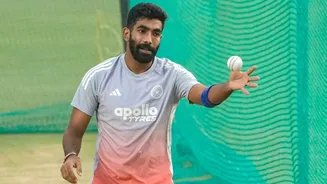
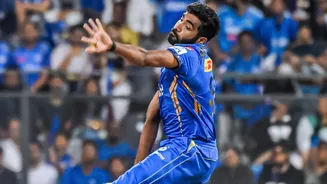
Team India’s T20 fortunes have often been directly linked to the presence of Jasprit Bumrah and Hardik Pandya. Their absence creates a significant vacuum that is difficult to fill. Bumrah, with his lethal yorkers and death-bowling prowess, is a captain’s
dream in the shortest format. He can single-handedly change the course of a match in its closing stages. Pandya, on the other hand, provides the team with a rare and coveted balance. As a pace-bowling all-rounder, his ability to score quick runs in the lower-middle order and chip in with crucial overs is invaluable. Without him, the team struggles to find the right combination, often having to compromise on either batting depth or a fifth bowling option. Their combined return would not just be a boost in skill but a massive psychological advantage for the Indian side, restoring the team’s formidable balance and firepower.
Bumrah's Careful Path to Fitness
Jasprit Bumrah’s journey back to the field is being managed with extreme caution by the BCCI. The premier fast bowler is currently at the Centre of Excellence in Bengaluru, nursing a left-knee issue that involved inflammation and swelling. This injury was serious enough to rule him out of the recent Test series against Sri Lanka. While there were initial reports in late July suggesting he had passed fitness tests, subsequent updates clarified that he was not yet ready for the rigours of international cricket. According to the latest reports from August 29, Bumrah is still focused on gradually rebuilding his strength and is not considered fully ready for a competitive workload. Crucially, there is no fixed timeline for his return, which makes his participation in the fast-approaching Afghanistan series highly unlikely.
Pandya's Battle with Recurring Injuries
Hardik Pandya's situation is similarly complex, as he has been battling a series of fitness concerns throughout 2026. After dealing with back spasms during the IPL, he has been at the CoE recovering from quadriceps and back problems, which were followed by a new calf niggle. Reports from early August noted that he experienced discomfort in his calf after attempting to bowl at full intensity, forcing him to scale back his workload. While he was initially projected to be available for white-ball selection from August, his condition continues to be monitored closely. As of late August, there has been no official update on a clear return date for the all-rounder. This string of setbacks suggests that the team management will be hesitant to rush him back into action, especially for a bilateral series.
The Selectors' Long-Term Strategy
The BCCI selection committee appears to be playing the long game with its two prized assets. The overarching strategy is clearly focused on ensuring both Bumrah and Pandya are fully fit for major tournaments down the line, such as the 2027 ODI World Cup. There is a clear reluctance to gamble on their fitness for a bilateral series, no matter how important. The medical team's cautious approach, which included an injection for Bumrah's knee as part of a long-term management plan, underscores this priority. Given their history of injuries, the management's focus is on preservation and preventing a premature return that could lead to a more significant breakdown. Rushing them back for the Afghanistan series would contradict this carefully managed, risk-averse approach.
The Verdict on a September Comeback
Considering all the available evidence, a comeback for Jasprit Bumrah and Hardik Pandya in the Afghanistan T20I series appears improbable. While social media has been buzzing with some optimistic reports about their fitness, the bulk of credible information points to a more extended recovery period. The latest updates from August 29 indicate that neither player has been cleared for a competitive return, with no firm timeline established for either of them. With the India squad for the series yet to be announced, the selectors are more likely to err on the side of caution. A more realistic target for their return could be the subsequent home series against the West Indies in October, which would give them several more weeks to achieve peak fitness.