








The Idol's Homecoming
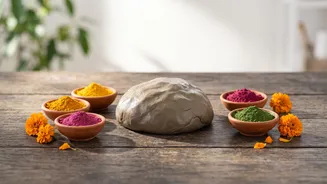
The heart of the preparation lies in choosing the murti, or idol. Weeks before the festival, which begins on September 14th this year, families visit workshops brimming with clay likenesses of Ganesha. While traditionally idols were made of Plaster of Paris,
a significant shift towards sustainability is underway. Many families now opt for eco-friendly Ganeshas made from natural clay (shadu maati), red soil, or even paper-mâché. These idols dissolve harmlessly in water, a crucial factor given the immersion (visarjan) ritual that concludes the festival. For many households, the choice of the idol is a deeply personal affair, with some families booking their specific murti from the same artisan year after year, strengthening a bond of tradition and community.
A Feast Fit for a God
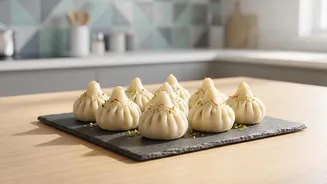
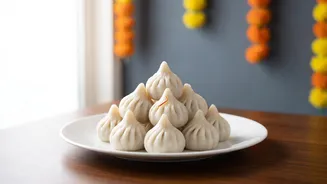
No festival in India is complete without a culinary celebration, and Ganesh Chaturthi is no exception. Kitchens across Mumbai become hubs of activity as families prepare a variety of special foods, especially sweets believed to be Lord Ganesha's favourite. The star of the show is the modak, a sweet dumpling with a filling of grated coconut and jaggery, either steamed (ukadiche modak) or fried. Other popular treats include Puran Poli, a sweet flatbread stuffed with lentils and jaggery, and various types of ladoos. These preparations are not just about food; they are about family members coming together, sharing recipes passed down through generations, and creating the flavours that define the festival.
Decking the Halls for Devotion
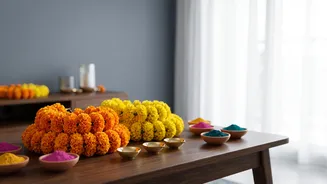
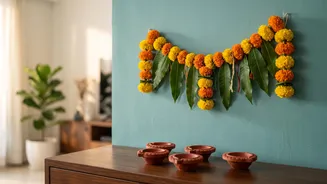
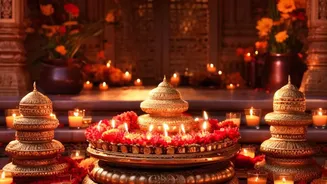
Once the idol is chosen, the focus shifts to creating a beautiful space for him in the home. Families dedicate a corner of their house for the 'makhar,' an ornate, throne-like backdrop for the Ganesha idol. These can range from simple, homemade structures decorated with flowers and cloth to elaborate, store-bought designs with built-in LED lighting. Homes are cleaned, and entrances are adorned with rangoli and floral garlands. The entire process of decorating the home builds a festive and sacred atmosphere, transforming a part of the house into a temporary temple for the duration of the deity's stay.
A Blend of Tradition and Modernity
While the core rituals remain unchanged, the way Mumbai families celebrate has evolved. In a space-crunched city, many are now performing the visarjan at home in a bucket or tub, especially with smaller, eco-friendly idols. This practice gained popularity as a way to avoid crowding and reduce water pollution. Public celebrations, which were popularized by freedom fighter Lokmanya Tilak to foster community unity, continue to be a massive part of the festival, with huge pandals and towering idols. Yet, the household celebration remains the emotional core. Families balance their public and private worship, inviting friends and neighbours for 'darshan' (viewing the idol) and 'aarti' (prayers), fostering a spirit of togetherness that cuts across the entire city.