







What is Low-Impact Cardio?
Low-impact exercise refers to any physical activity that raises your heart rate while minimizing stress on your joints. The defining feature is that you typically keep at least one foot on the ground or your body is supported by water or a machine. This
is different from high-impact activities like running or jumping, where both feet leave the ground simultaneously, creating a jarring force upon landing. But don't mistake 'low-impact' for 'low-intensity' or 'easy'. Activities like brisk walking, cycling, and rowing can be incredibly challenging and effective at improving fitness, just without the heavy pounding on your ankles, knees, and hips. This makes it a sustainable approach for people of all ages and fitness levels, including those managing joint pain or recovering from injuries.
The Heart of the Matter
Your heart is a muscle, and just like any other muscle, it gets stronger with exercise. Low-impact cardio is highly effective at strengthening your cardiovascular system. These exercises elevate your heart rate into an optimal training zone, improving your heart's ability to pump blood more efficiently throughout your body. Consistent low-impact training can lead to a lower resting heart rate, reduced blood pressure, and better circulation. Over time, this significantly lowers your risk for cardiovascular diseases, such as heart disease and stroke. Because these workouts are gentler on the body, they can often be performed for longer durations and with greater frequency, leading to substantial cumulative benefits for heart health and endurance.
Kindness for Your Joints
One of the most significant advantages of low-impact exercise is its joint-friendly nature. High-impact movements can, over time, lead to wear and tear or even injury, especially in weight-bearing joints like the knees and hips. Low-impact activities reduce this mechanical stress, making them an excellent choice for long-term fitness without pain. This is particularly beneficial for individuals with arthritis, osteoporosis, or previous injuries, as it allows them to stay active without aggravating sensitive areas. By choosing exercises that are kind to your body, you are more likely to remain consistent with your routine, which is the true key to achieving lasting health and fitness results.
Swimming: The Ultimate Workout
Often hailed as one of the best low-impact exercises, swimming provides a full-body workout that is exceptionally gentle on the joints. The buoyancy of water supports your body weight, removing almost all impact from the equation. This makes it an ideal choice for individuals with joint pain or mobility issues. Swimming engages multiple muscle groups simultaneously, from your arms and shoulders to your core and legs, providing a robust cardiovascular challenge. It is incredibly effective at building endurance, improving lung capacity, and strengthening the heart.
Cycling: Indoors or Out
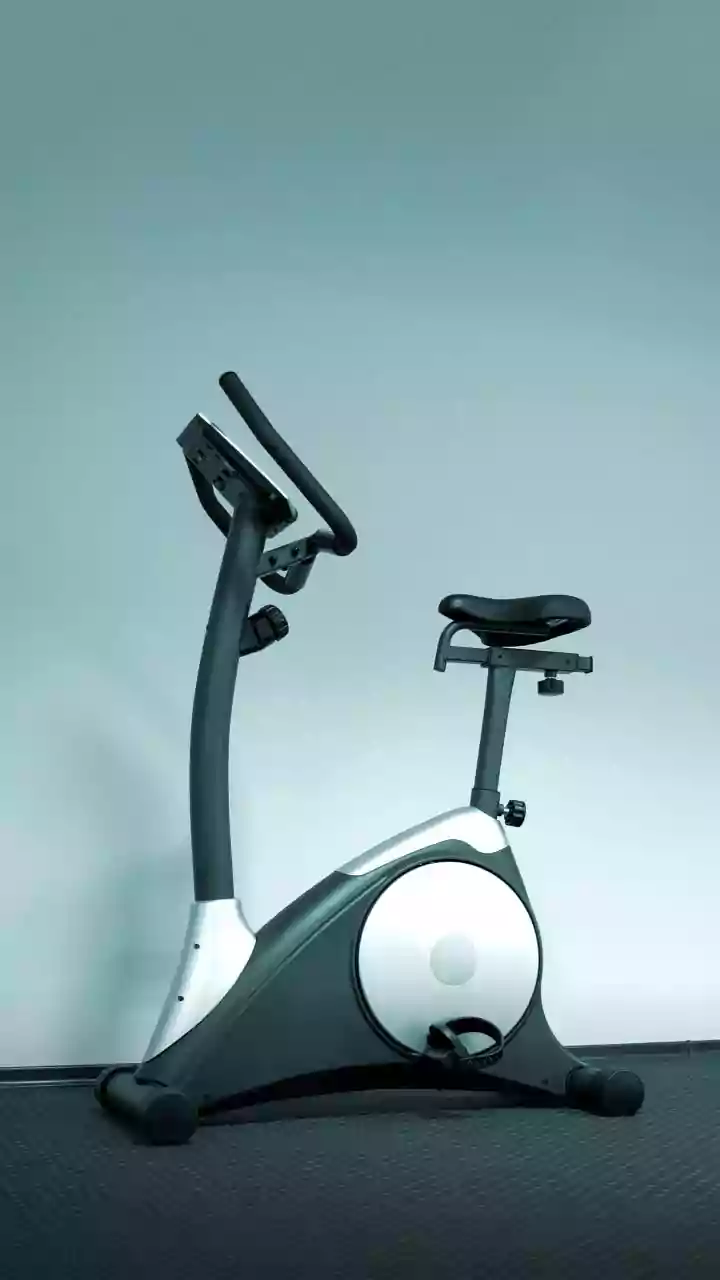
Whether on a stationary bike at the gym or a traditional bicycle on a trail, cycling is a fantastic low-impact cardio option. Because you are seated, your joints are protected from impact while your legs do the powerful work of pedalling. Cycling is excellent for building lower body strength and cardiovascular endurance. You can easily control the intensity by adjusting resistance on a stationary bike or by tackling hills outdoors, allowing for a workout that can be as challenging as you want it to be.
Elliptical Training: A Smooth Glide
The elliptical machine is a gym staple for a reason. It is designed to mimic the motion of running but without the harsh impact. Your feet remain on the pedals in a continuous, gliding motion, which protects your knees, hips, and back. Many machines have moveable handlebars, allowing you to engage your upper body for a more complete workout. By adjusting the resistance and incline, you can get a high-intensity session that torches calories and strengthens your heart.
Walking: Your Most Accessible Option
Never underestimate the power of a good walk. Walking is one of the most accessible and effective forms of low-impact exercise. It's free, requires no special equipment beyond a good pair of shoes, and can be done almost anywhere. To turn a simple stroll into a potent cardio workout, focus on your pace. A brisk walk that raises your heart rate is associated with significant health benefits, including lower blood pressure and cholesterol. A minimum goal of 150 minutes per week is often recommended for cardiovascular health. You can increase the intensity by walking faster, incorporating hills, or simply extending the duration of your walks.