


The Shift to Hyper-Local Alerts
For years, monsoon warnings from the India Meteorological Department (IMD) covered broad geographical areas, like entire states or meteorological sub-divisions. While helpful, a red alert for a large state could mean a deluge in one corner and light showers
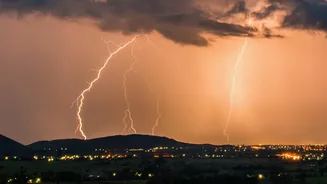
in another. This has changed. The IMD now provides more granular, district-level weather warnings and nowcasts, which are short-term forecasts for the next few hours. This move leverages improved weather modelling and real-time data from Doppler radars to give a much more precise picture of impending weather events like heavy rainfall, thunderstorms, and gusty winds. Instead of just knowing it will rain heavily in Maharashtra, you can now see specific alerts for Mumbai, Pune, or Nashik districts, allowing for smarter, more localized decisions.
Why Granularity Is a Game-Changer
This shift from macro to micro is a significant step forward for public safety and travel planning. A vague, state-wide alert often leads to a phenomenon where people either panic unnecessarily or ignore the warning because it doesn't feel immediately relevant. District-level alerts cut through that noise. They empower individuals to assess the direct risk to their specific location or travel route. This is crucial because monsoon impacts are intensely local; one highway might be clear while another, just 50 kilometres away, is waterlogged or blocked by a landslide. By providing precise warnings, the IMD hands a powerful tool to citizens, disaster management agencies, and transport authorities, enabling proactive measures rather than reactive responses.
Navigating Highways in the Rain
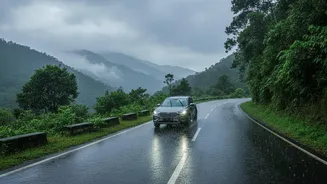
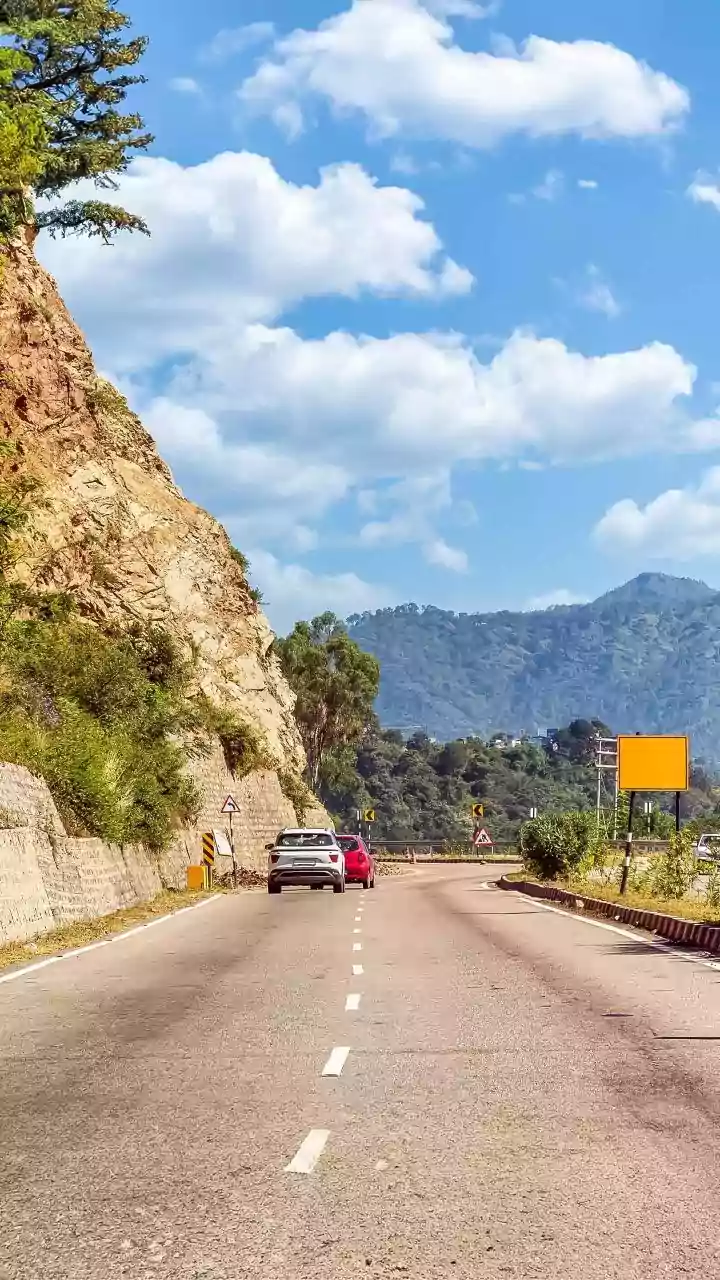
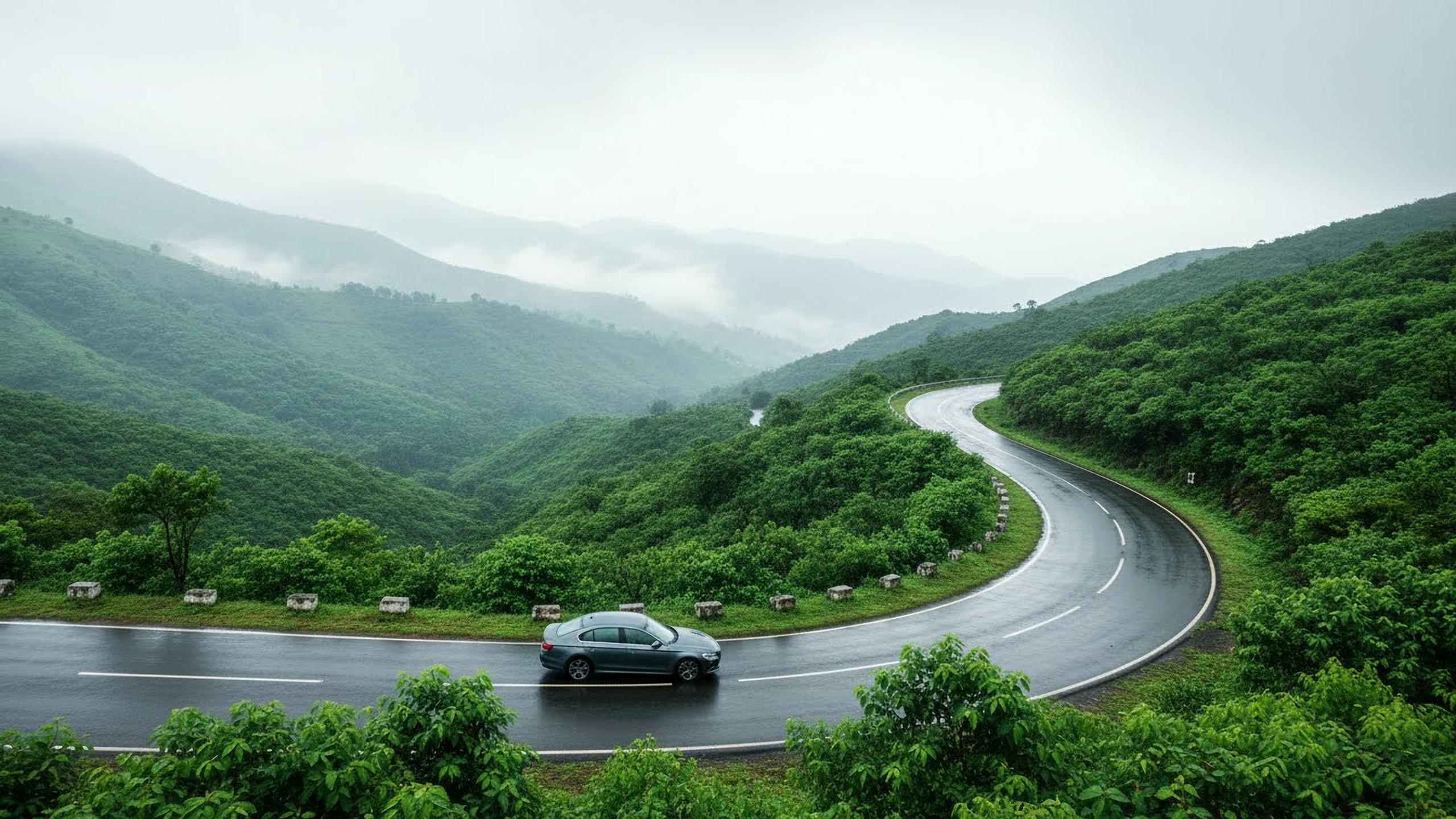
For anyone planning a road trip, the new alerts are indispensable. Highway travel during the monsoon is fraught with risks, including poor visibility, slippery roads that increase braking distances, and the danger of waterlogging or flash floods. In hilly regions, the threat of landslides is ever-present and can shut down routes for hours or even days. With district-level warnings, you can now check the forecast for every district you plan to drive through. Before starting your journey, consulting the IMD's website or the 'Mausam' app can help you decide whether to proceed, delay your departure, or choose an alternative route. Several authorities and apps also provide real-time traffic updates, which, when combined with a weather alert, give a comprehensive view of what to expect on the road.
Rethinking Railway Journeys
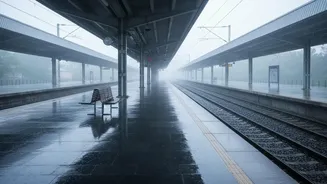
Train travel is often considered a safer alternative during the monsoon, but it is far from immune to disruptions. Heavy rainfall can lead to waterlogged tracks, forcing trains to be delayed, diverted, or cancelled altogether. This can leave passengers stranded at stations for extended periods. A district-level alert for your destination or a key district along your route can serve as an early warning. For example, if a red alert is issued for a district with a major railway junction on your line, there's a high probability of operational disruptions. Passengers can use this information to proactively check their train's status using the NTES platform or apps like RailRestro. Knowing about potential delays allows you to make informed decisions, like whether to travel to the station or make alternative arrangements, saving time and avoiding chaos.
Your Monsoon Travel Checklist
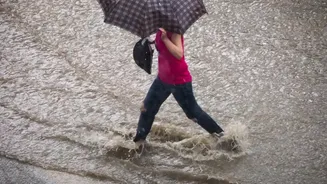
Being prepared is the key to safe travel during the monsoon. First, always check the latest district-wise warnings on the official IMD website or its mobile apps before you leave. For road travel, ensure your vehicle is in good condition, especially the tires, brakes, and wipers. Drive slowly, keep a safe distance from other vehicles, and never attempt to drive through heavily waterlogged streets. For train journeys, monitor your PNR status and the live running status of your train frequently, as schedules can change rapidly. Pack an emergency kit with essentials like a power bank, a raincoat, drinking water, and some snacks. By combining the IMD's precise alerts with these practical steps, you can significantly reduce the risks and navigate the monsoon with confidence.